Key Takeaways
- •Miniaturized sensor modules cut BOM costs, power usage
- •Edge AI enables on-device anomaly detection, reducing latency
- •Energy-harvesting techniques extend battery life for remote nodes
- •Hybrid connectivity blends BLE, LoRaWAN for scalable mesh networks
- •Built‑in security primitives protect sensors from physical tampering
Pulse Analysis
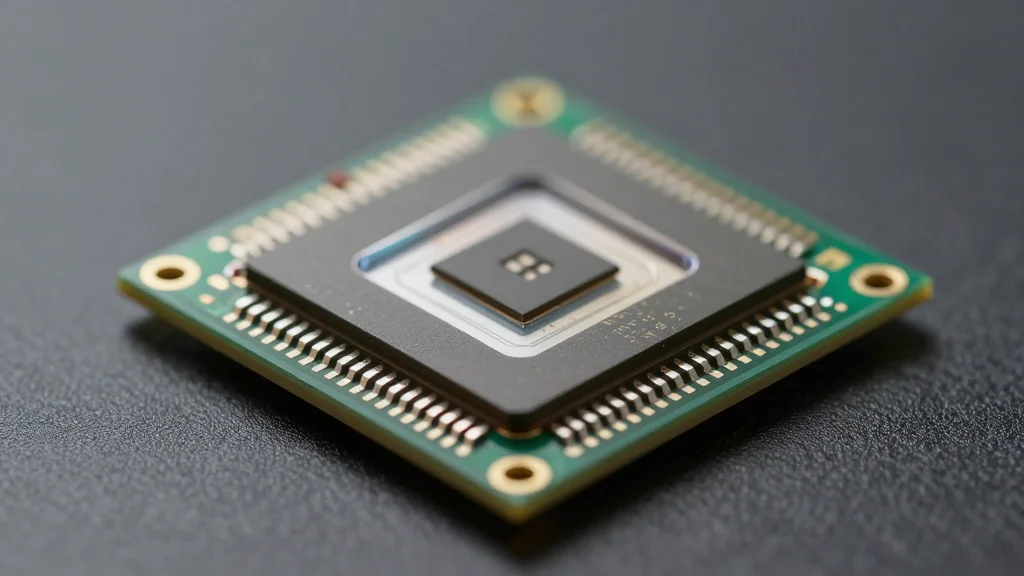
Sensor miniaturization has moved from niche MEMS devices to fully integrated system‑in‑package solutions, merging multiple modalities into a single footprint. This convergence drives lower bill‑of‑materials, reduced power draw, and opens new form‑factors for wearables, industrial robotics, and medical instruments. By co‑designing hardware and firmware, engineers can balance accuracy with calibration complexity, delivering reliable data from space‑constrained environments.
At the edge, embedded processors now embed DSP blocks and AI accelerators capable of running TinyML models. Real‑time inference enables anomaly detection, predictive maintenance, and classification directly on the sensor node, slashing latency and bandwidth costs while preserving data privacy. Model quantization and hardware acceleration strategies are critical to fit sophisticated analytics within milliwatt power budgets, making intelligent sensing viable for battery‑operated and energy‑harvesting deployments.
Power management, connectivity, and security complete the ecosystem. Duty‑cycling, wake‑on‑event architectures, and hybrid harvesting (solar, vibration, thermal) extend operational lifetimes for remote nodes. Selecting the right protocol—BLE for short‑range, LoRaWAN or NB‑IoT for long‑range low‑power, or ultra‑wideband for precise location—optimizes network performance. Simultaneously, silicon‑level security features such as hardware root‑of‑trust and encrypted boot protect devices in physically accessible settings, ensuring data integrity as sensor networks scale across smart cities, healthcare, and industrial automation.
Sensors Converge: Where Intelligence Meets the Edge
Comments
Want to join the conversation?