SiC: Enhancing Reliability with Ion Implantation
Why It Matters
By eliminating a key reliability failure mode, high‑energy ion implantation can lower SiC device costs and accelerate adoption in electric vehicles, data‑center power supplies, and other high‑efficiency applications.
Key Takeaways
- •High‑energy ion implantation halts stacking‑fault growth in 4H‑SiC devices.
- •Proton or helium implants create point defects that immobilize basal‑plane dislocations.
- •Implanted diodes show far fewer leakage‑inducing faults under 850 A cm⁻² stress.
- •Technique works from substrate side, suitable for any epitaxial thickness.
- •Reliability gains could lower SiC power‑device cost and boost EV adoption.
Pulse Analysis
The SiC power‑semiconductor market, now worth several billion dollars annually, is driven by its superior efficiency in electric‑vehicle drivetrains and data‑center converters. Yet, the high cost of 4H‑SiC wafers and the unpredictable yield caused by bipolar degradation have kept adoption rates below their potential. Traditional mitigation strategies—such as recombination‑enhancing layers or embedded Schottky diodes—only partially address the problem, leaving manufacturers to grapple with costly reliability testing and limited device lifetimes.
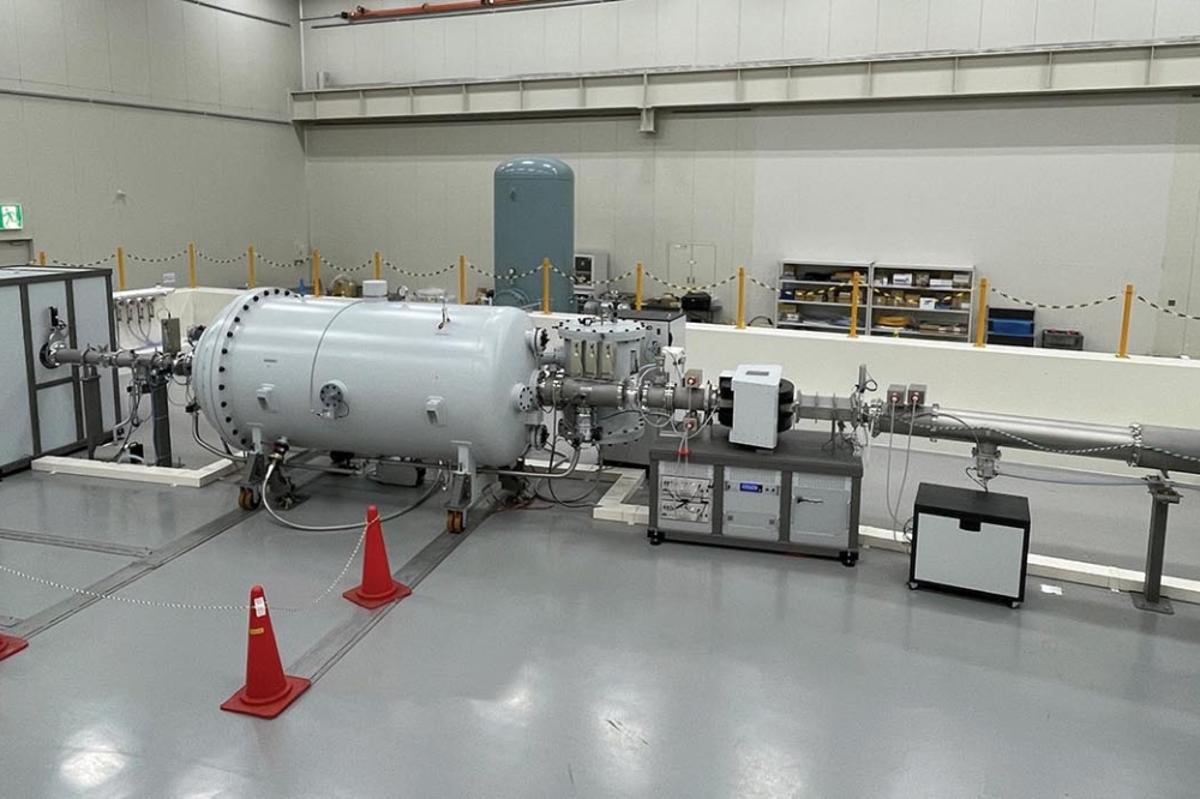
A breakthrough emerges from a collaboration that leverages Shi‑Atex’s tandem‑type accelerator to deliver MeV‑scale ion beams deep into the SiC substrate. By implanting hydrogen or helium ions at energies up to 8 MeV, the team introduces a controlled density of point defects precisely at the epitaxial‑layer interface. These defects act like alloying atoms in steel, pinning basal‑plane dislocations and preventing their split into partial dislocations that spawn stacking faults. Laboratory stress tests, pushing diodes to 850 A cm⁻², revealed that implanted devices maintain uniform electroluminescence and exhibit dramatically reduced leakage currents, confirming the technique’s effectiveness regardless of ion species or implantation side.
The commercial implications are significant. Suppressing bipolar degradation improves wafer‑level yield and extends device lifetimes, which directly translates into lower per‑watt costs for SiC modules. As automotive manufacturers and cloud‑service providers seek ever‑greater energy efficiency, a more reliable and affordable SiC platform could replace silicon in high‑voltage converters, accelerating the transition to greener power electronics. Ongoing work will refine defect engineering, explore scalability of the implantation process, and integrate the method into standard SiC fab lines, positioning high‑energy ion implantation as a game‑changing enabler for the next generation of power devices.
SiC: Enhancing reliability with ion implantation
Comments
Want to join the conversation?
Loading comments...