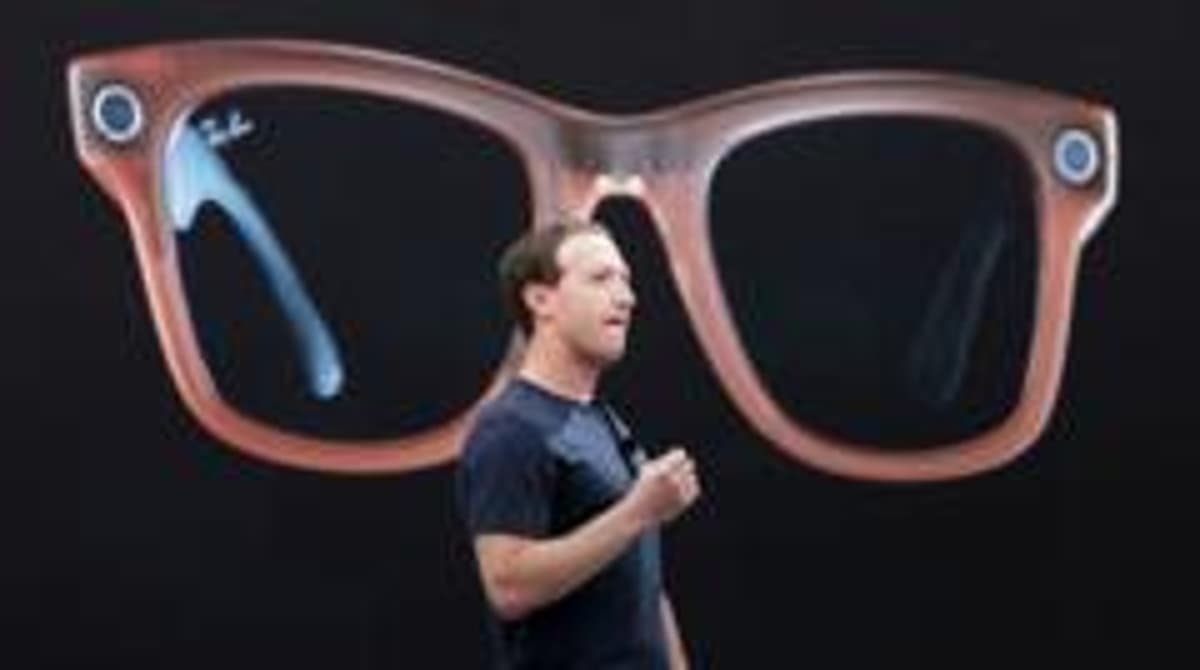
Smart Glasses Are 'an Invasion of Privacy' - Meta's Are Selling Better than Ever
Why It Matters
The rapid adoption of Meta’s smart glasses raises urgent legal and ethical questions about consent, data handling, and the enforceability of recording bans, signaling a looming regulatory battle for the broader industry.
Key Takeaways
- •Meta Ray‑Bans hold >80% of global smart‑glasses market
- •Seven million pairs sold; sales still climbing rapidly
- •Privacy lawsuits allege undisclosed recording and AI data review
- •Competitors Apple, Snap, Google plan launches amid privacy concerns
- •Potential 100 million users could strain existing recording regulations
Pulse Analysis
The smart‑glasses market has accelerated beyond early expectations, with Meta’s Ray‑Ban collaboration selling seven million units and capturing the lion’s share of a category that blends augmented reality, AI and wearable convenience. Consumers praise the ability to capture video, take calls and stream audio without the bulk of traditional devices, but the near‑invisible camera has become a flashpoint for privacy advocates. As the glasses slip into everyday settings—from cafés to public transit—the line between legitimate use and covert surveillance blurs, prompting a wave of public scrutiny.
Legal challenges are already emerging. Two class‑action suits claim users were recorded without consent and that the footage was funneled to overseas workers for AI training, exposing them to graphic content. Meta’s terms reference possible human review, yet many users remain unaware of the practice. The prospect of future facial‑recognition integration heightens concerns, as it could enable real‑time identification of bystanders, potentially violating state privacy statutes and prompting calls for stricter oversight.
The competitive response underscores the sector’s growth potential. Apple, Snap and Google are each developing next‑generation smart glasses, betting on consumer appetite for seamless AR experiences. Analysts forecast up to 100 million units sold in the next few years, a scale that could overwhelm existing legal frameworks governing recording in courts, hospitals and other sensitive venues. Stakeholders—from manufacturers to policymakers—must grapple with balancing innovation against the societal demand for privacy protections, a tension that will shape the next wave of wearable technology.
Smart glasses are 'an invasion of privacy' - Meta's are selling better than ever
Comments
Want to join the conversation?
Loading comments...