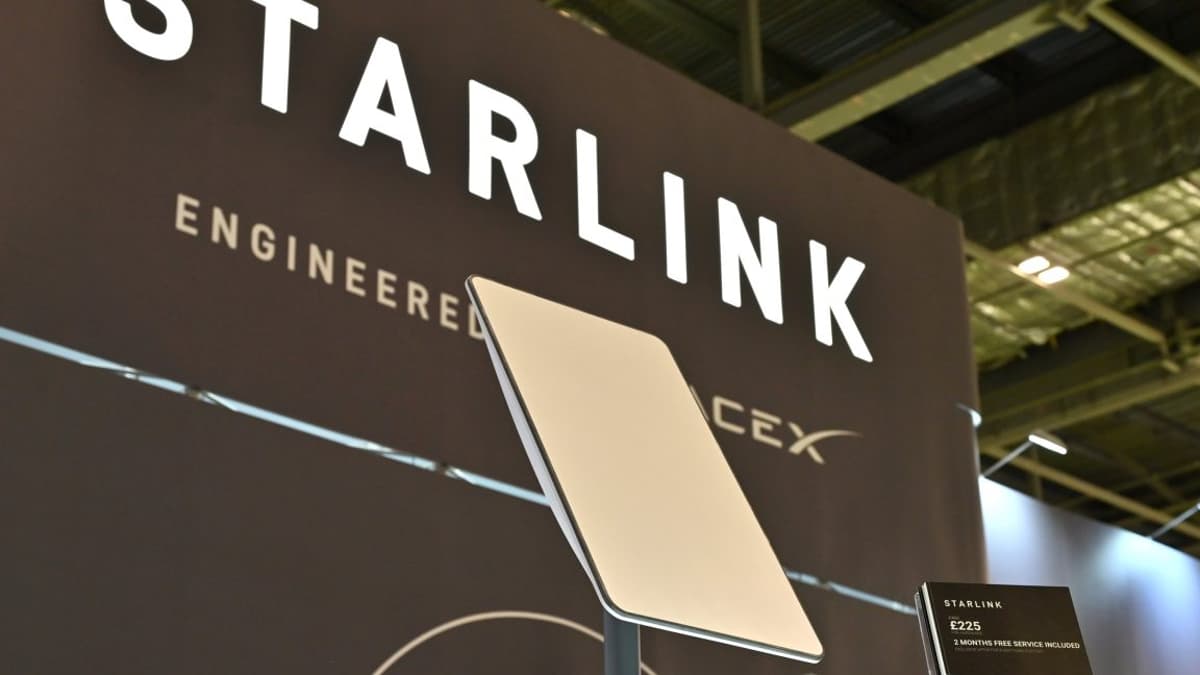
Starlink Charges $10 Monthly Hardware Fee in Move Away From One-Time Purchases
Why It Matters
The shift to a subscription‑based hardware model creates a steady revenue stream for SpaceX and raises the total cost of ownership for residential broadband users, influencing market competition and consumer budgeting decisions.
Key Takeaways
- •$10 monthly hardware rental replaces one‑time purchase model.
- •Service plans now cost $55‑$130 per month, plus kit fee.
- •Rental fee rolls out in US, Canada, UK, France, Australia, Mexico.
- •Buy kit for $199‑$349 or use existing hardware to avoid fee.
- •Starlink generated $3.26 B of SpaceX’s $4.69 B Q1 2026 revenue.
Pulse Analysis
Starlink’s transition to a monthly hardware rental mirrors the business models of traditional cable and telecom providers, turning a capital expense into an operating expense for consumers. By bundling a $10 kit fee with service tiers that already range from $55 for 100 Mbps to $130 for the 400 Mbps "Max" plan, the company secures a predictable cash flow while offering flexibility to customers who prefer lower upfront costs. This approach also aligns with SpaceX’s broader strategy to monetize its satellite constellation more aggressively as it prepares for a public offering.
For end‑users, the new fee reshapes the total cost of ownership. Over a three‑year subscription, the rental adds $360, which can exceed the price of purchasing the hardware outright—retail prices for the dish sit between $199 and $349. Existing Starlink owners can sidestep the fee by entering their device ID during checkout, while new customers may opt for a one‑time $199 professional‑installation service if they select the Max plan. The model incentivizes hardware sales through third‑party retailers, potentially boosting ancillary revenue streams for partners like Best Buy and Walmart.
Strategically, the rental model strengthens Starlink’s financial footing ahead of SpaceX’s IPO, contributing $3.26 billion to the parent’s Q1 2026 revenue. Consistent hardware income cushions the company against price volatility in service plans and positions it competitively against terrestrial broadband rivals. As satellite internet markets mature, the ability to adjust hardware pricing dynamically could become a key lever for profitability, while regulators and consumer advocates will watch closely for the impact on affordability and market access.
Starlink charges $10 monthly hardware fee in move away from one-time purchases
Comments
Want to join the conversation?
Loading comments...