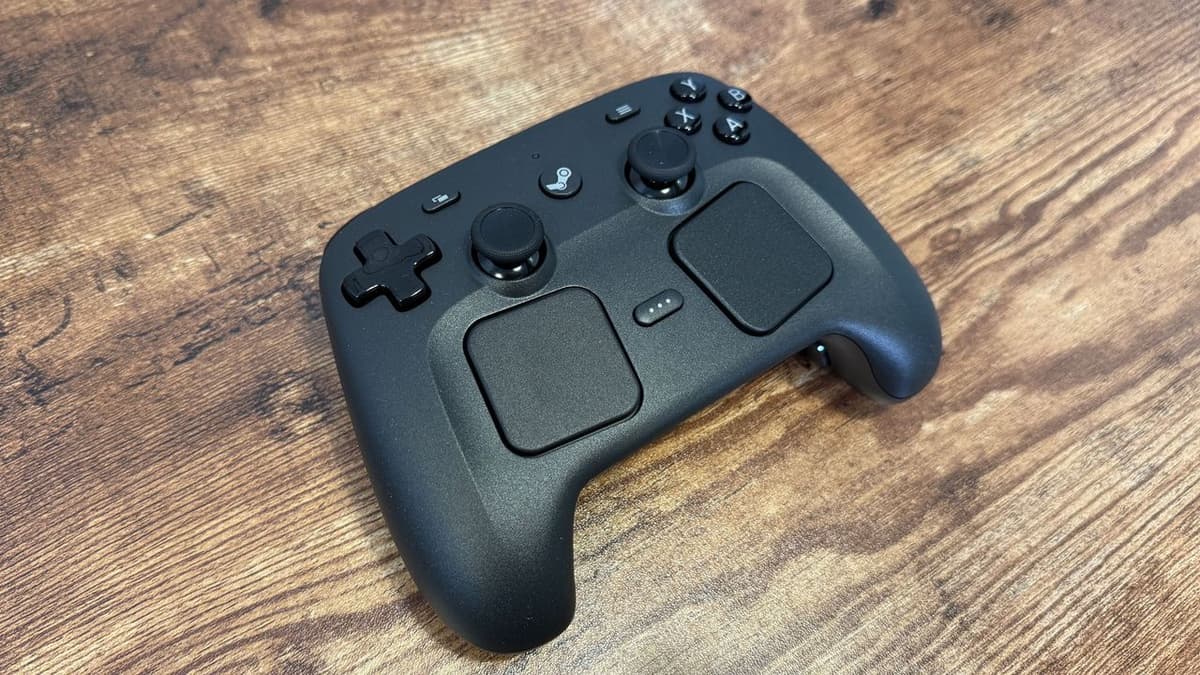
Steam Controller Developer Interview — Valve Talks Design, the Learning Curve, and the Lack of Kernel Drivers
Why It Matters
By offering a controller that leverages Steam Input while staying hardware‑agnostic, Valve strengthens its ecosystem and gives PC gamers a native alternative to console pads. The $99 price and unique features could sway couch gamers toward the Steam platform, boosting software sales and hardware revenue.
Key Takeaways
- •Valve launches $99 Steam Controller aimed at couch‑gaming market.
- •Features TMR joysticks and Grip Sense for drift‑free, gyro‑enabled play.
- •Proprietary puck serves as wireless dongle and charging dock, reducing desk clutter.
- •Steam Input integration offers deep customization without mandatory setup.
- •Valve avoids kernel drivers, keeping support inside Steam to maintain system stability.
Pulse Analysis
Valve’s entry into the couch‑gaming arena comes at a time when the company is rebuilding its hardware portfolio after the Steam Deck OLED. The Steam Controller fills a niche left by the discontinued Steam Machine era, offering a familiar Deck layout for players who want to sit back on a sofa while still accessing the full Steam library. Competing directly with Microsoft’s Xbox controllers and Sony’s DualSense, the $99 price point undercuts many premium pads and leverages Valve’s massive software ecosystem, potentially attracting gamers who have been hesitant to adopt console‑centric peripherals for PC titles.
Technically, the controller differentiates itself with several first‑generation features. Tunneling Magnetoresistance (TMR) joysticks aim to eliminate the dreaded drift that plagues many analog sticks, while the new Grip Sense sensor detects when the controller is held, acting as a virtual button for gyro‑heavy competitive games. A small puck doubles as a 2.4 GHz wireless dongle and a charging dock, allowing up to four controllers to share a single dock and keeping desk space tidy. All of these functions are managed through Steam Input, which provides deep, per‑game customization without forcing users into a complex setup process.
From a business perspective, Valve’s decision to keep driver support inside the Steam client rather than releasing a kernel driver reflects a focus on system stability and platform lock‑in. By ensuring the controller works out of the box on Windows, macOS and Linux, Valve lowers the barrier to entry for non‑technical users while encouraging them to stay within the Steam ecosystem for firmware updates and future feature rollouts. The modest $99 price, combined with the controller’s unique capabilities, positions it as a compelling add‑on for existing Deck owners and a potential gateway for new customers, potentially driving incremental revenue across both hardware sales and the broader Steam marketplace.
Steam Controller developer interview — Valve talks design, the learning curve, and the lack of kernel drivers
Comments
Want to join the conversation?
Loading comments...