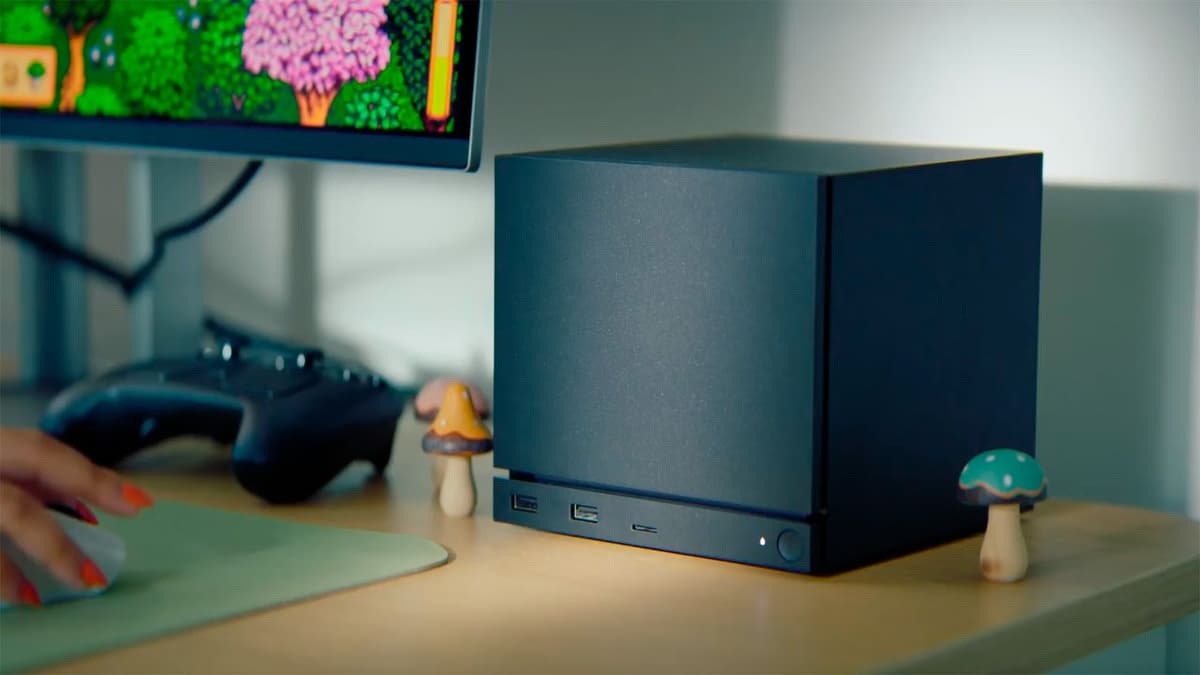
Steam Machine Appears in Vulkan’s Conformant Product Database — Upcoming Valve Console Is Certified Compliant with the Graphics API
Companies Mentioned

Valve
AMD
AMD
Why It Matters
Vulkan conformance gives developers confidence that the Steam Machine’s software stack will behave predictably, reducing integration risk. For gamers, the certification hints that Valve’s long‑delayed console may finally move toward market readiness, provided cost pressures ease.
Key Takeaways
- •Steam Machine added to Vulkan conformant product list.
- •Certification confirms hardware, OS, and drivers meet Vulkan standards.
- •Valve still faces memory and storage cost challenges.
- •Steam Controller released at $99, independent of console delay.
- •No official launch date; pricing remains uncertain for gamers.
Pulse Analysis
The inclusion of Valve’s Steam Machine in the Khronos Group’s Vulkan conformance database is a technical milestone that matters beyond a simple checklist. Vulkan, a low‑overhead, cross‑platform graphics API, is increasingly the backbone of modern game engines. By meeting the strict validation criteria, the Steam Machine assures developers that its GPU drivers, operating system, and hardware will handle Vulkan calls consistently, simplifying porting efforts and reducing the need for extensive console‑specific patches. This reduces development risk and could accelerate the pipeline for titles that already support Vulkan on PC.
However, the certification arrives amid a volatile component market. Global shortages and price spikes in DRAM and SSD storage have inflated the bill of materials for any high‑performance console. Valve’s decision not to subsidize the Steam Machine, unlike traditional console manufacturers, means the final retail price will be closely tied to these component costs. The Steam Deck demonstrated that a polished, Linux‑based gaming OS can attract a sizable user base, but the Deck’s pricing was carefully balanced against component expenses. If memory and storage remain pricey, the Steam Machine could be positioned as a premium niche product, limiting its appeal compared to mainstream consoles and even high‑end gaming PCs.
Looking ahead, the Steam Machine’s fate hinges on two variables: component cost stabilization and Valve’s ability to integrate the certified stack into a compelling consumer experience. A launch before year‑end would require a supply chain solution that brings component prices down to a level compatible with the target price point. Should Valve succeed, the console could leverage its Vulkan compliance to attract developers seeking a unified graphics API across PC, handheld, and console platforms, potentially revitalizing the Steam ecosystem. Conversely, continued cost pressures may delay the launch further, eroding consumer enthusiasm built by the Steam Deck’s success. Stakeholders should monitor component market trends and any subsequent announcements from Valve regarding pricing strategy and release timelines.
Steam Machine appears in Vulkan’s conformant product database — upcoming Valve console is certified compliant with the graphics API
Comments
Want to join the conversation?
Loading comments...