Super Micro Co-Founder Charged With Smuggling, Departs Board
Why It Matters
The indictment underscores escalating U.S. enforcement of AI export controls, threatening supply‑chain integrity and prompting tighter corporate governance across the tech sector.
Key Takeaways
- •Indictment alleges diversion of Nvidia‑powered servers.
- •Servers shipped via Southeast Asian intermediary to China.
- •Violates U.S. export controls on advanced AI technology.
- •Super Micro board loses co‑founder amid scandal.
- •Raises scrutiny on global AI hardware supply chains.
Pulse Analysis
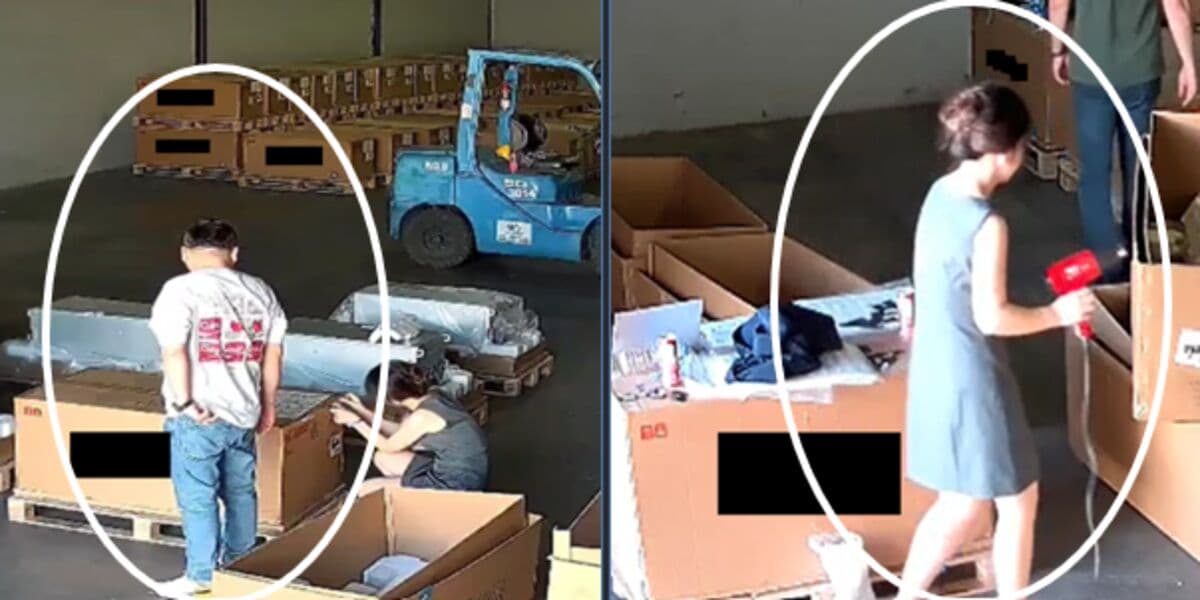
The Department of Justice announced Tuesday that Yih‑Shyan “Wally” Liaw, a co‑founder of Super Micro Computer Inc., has been indicted for allegedly funneling billions of dollars’ worth of Nvidia‑powered servers out of the United States. Prosecutors say Liaw coordinated with two associates to sell the assembled hardware to a Southeast Asian firm, which then routed the machines to Chinese end‑users, breaching the Export Administration Regulations that restrict advanced AI components. This case represents the most visible enforcement action targeting the illicit transfer of high‑performance computing equipment since the U.S. tightened AI export rules in 2023. The case also highlights the DOJ’s focus on preventing strategic technology leakage to geopolitical rivals.
Super Micro’s board responded swiftly, accepting Liaw’s resignation and launching an internal review of its export compliance program. The episode underscores the heightened risk that senior executives pose when personal networks intersect with restricted technology flows, prompting companies to reinforce due‑diligence, employee training, and third‑party vetting. Investors are now demanding greater transparency around supply‑chain safeguards, and insurers are revisiting coverage terms for export‑control violations, signaling a shift toward tighter corporate governance in the AI hardware sector.
The indictment sends a clear signal to the broader technology ecosystem that the United States will pursue aggressive enforcement against the unauthorized transfer of AI‑critical components. As Chinese firms continue to chase domestic alternatives, supply‑chain disruptions could accelerate the push for on‑shoring and diversification of semiconductor and server manufacturing. Market analysts expect tighter licensing requirements and increased scrutiny of cross‑border transactions, which may raise costs for U.S. hardware vendors but also create opportunities for firms that can demonstrate robust compliance frameworks.
Super Micro Co-Founder Charged With Smuggling, Departs Board
Comments
Want to join the conversation?
Loading comments...