Taiwanese Brothers Amass US$1 Billion From Boom in Display Chips
Companies Mentioned

Why It Matters
The story highlights the critical, yet under‑appreciated, role of display driver ICs in the automotive and consumer tech supply chain and signals Taiwan’s growing influence in the global semiconductor arena.
Key Takeaways
- •Himax holds ~40% global market share in automotive display driver ICs
- •Brothers own 24% of Himax, net worth now $1 billion
- •Himax shares doubled in 2026, reflecting booming demand
- •Company pivots to smart glasses, AI, co‑packaged optics for data centers
Pulse Analysis
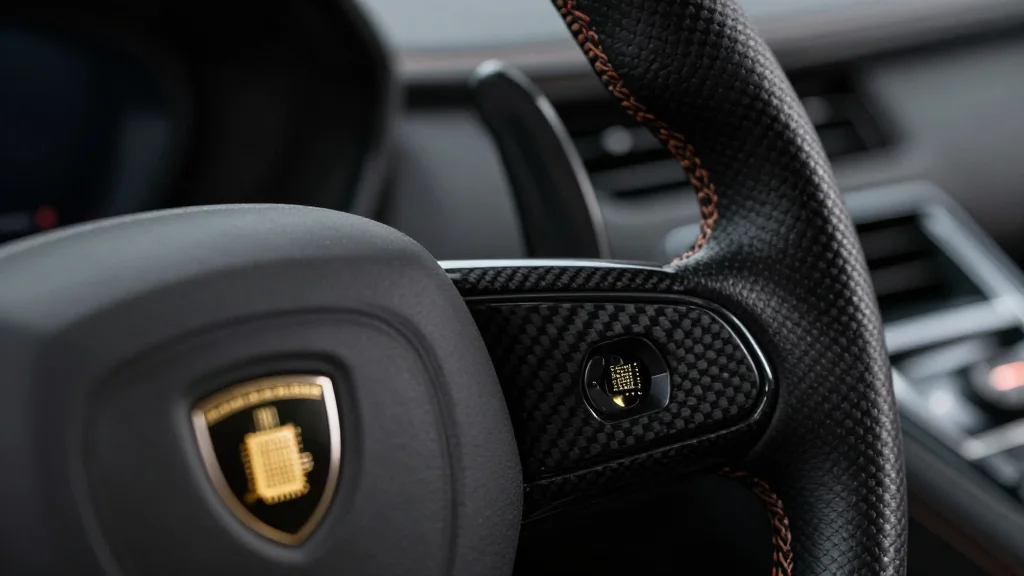
The surge in high‑resolution dashboards and infotainment systems has turned automotive display driver integrated circuits into a strategic commodity. Himax Technologies, a fabless Taiwanese chipmaker, now commands roughly 40 percent of the global market for these driver ICs, a position earned by an early gamble on car screens when few manufacturers offered them. By embedding its silicon in luxury brands such as Ferrari, Porsche and Volkswagen, Himax has become an invisible yet essential supplier, enabling crisp, low‑latency visuals that meet today’s safety‑critical standards.
The Wu brothers’ 24‑percent holding in Himax, combined with dividend payouts and recent stock sales, propelled their personal fortunes past the $1 billion mark, according to Bloomberg’s Billionaires Index. Himax’s Nasdaq‑listed shares have more than doubled in 2026, reflecting robust demand from both automotive OEMs and consumer‑electronics makers. Their story underscores Taiwan’s expanding role in the semiconductor ecosystem, where the island now hosts a disproportionate share of the world’s chip design talent. The brothers’ wealth also mirrors a broader trend: Taiwanese founders converting niche expertise into global market dominance.
Looking ahead, Himax is leveraging its engineering depth to branch into adjacent markets. Initiatives in smart‑glass optics, artificial‑intelligence accelerators and co‑packaged optics aim to capture bandwidth‑intensive workloads in data‑center environments while reducing power consumption. These moves illustrate a diversification strategy that mitigates reliance on automotive cycles and positions the company at the forefront of next‑generation compute. For investors and industry watchers, Himax’s trajectory offers a case study in how early technology bets, disciplined R&D and strategic market expansion can translate into both billionaire fortunes and sustained corporate growth.
Taiwanese brothers amass US$1 billion from boom in display chips
Comments
Want to join the conversation?
Loading comments...