Tesla AI5: Tape-Out Is Real, the Nvidia Killer in the Robot Head Is Not Yet
Key Takeaways
- •Tesla completed AI5 tape‑out, moving toward in‑house inference silicon
- •AI5 specs remain undisclosed; performance claims vs Nvidia H100 unverified
- •Tesla targets up to 1 million Optimus robots per year
- •Nvidia Jetson Orin delivers up to 275 TOPS at 15‑60 W for edge robotics
- •Outcome hinges on synchronizing chip design, software, fab, and robot production
Pulse Analysis
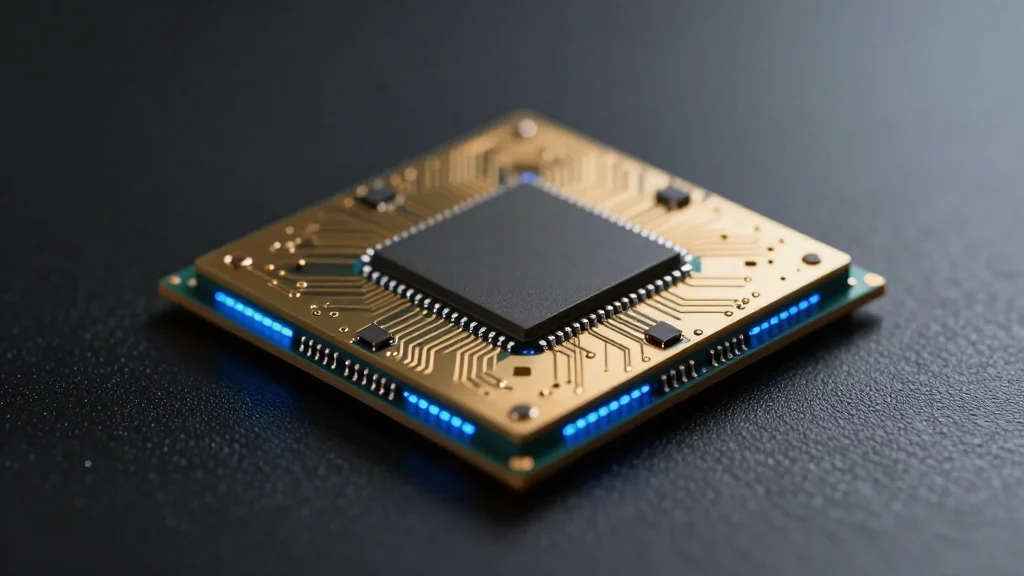
Tesla’s AI5 chip entered tape‑out in April, marking the transition from design to silicon fabrication. The move aligns with the company’s broader push to internalize AI inference hardware across its vehicle stack, Optimus bipedal robots, and the emerging Robotaxi service. By leveraging its Gigafactory Texas fab and a partnership with SpaceX for advanced packaging, Tesla aims to tighten control over logic, memory and interconnects, reducing reliance on external foundries and potentially lowering costs at scale. The chip is positioned as a universal inference engine for all Tesla AI workloads, from autonomous driving perception to humanoid control, promising tighter software‑hardware co‑design.
Despite the milestone, AI5’s technical details remain opaque; Tesla has not disclosed compute throughput, memory bandwidth, power envelope, or manufacturing node. Comparisons to Nvidia’s data‑center H100 GPU are therefore speculative, as the H100’s 350‑400 W TDP and passive cooling suit servers, not embedded robotics. Nvidia’s Jetson AGX Orin, by contrast, is purpose‑built for edge AI, delivering up to 275 TOPS within a 15‑60 W envelope, highlighting the different performance‑per‑watt trade‑offs Tesla must achieve to compete in robot heads. Tesla also touts a custom memory hierarchy and on‑chip safety monitors, features that could lower latency compared with generic GPUs, though their efficacy remains to be proven in real‑world robot trials.
If Tesla can align AI5’s silicon performance with its Optimus production line—targeting up to one million units annually in Fremont and a second‑generation plant in Texas capable of ten million—its vertically integrated stack could offer a cost and latency advantage over cloud‑dependent competitors. However, the path is fraught with risk: yield challenges, software integration, and the need to match Nvidia’s mature edge ecosystem could delay or dilute the promised benefits. Investors will watch the first silicon samples and robot prototypes closely to gauge whether Tesla’s in‑house AI chip can become a genuine differentiator in the fast‑growing robotics market. Success would not only improve Tesla’s margins but could open a new revenue stream by licensing the silicon to other manufacturers, intensifying competition in the emerging edge‑AI chip market.
Tesla AI5: Tape-out is real, the Nvidia killer in the robot head is not yet
Comments
Want to join the conversation?