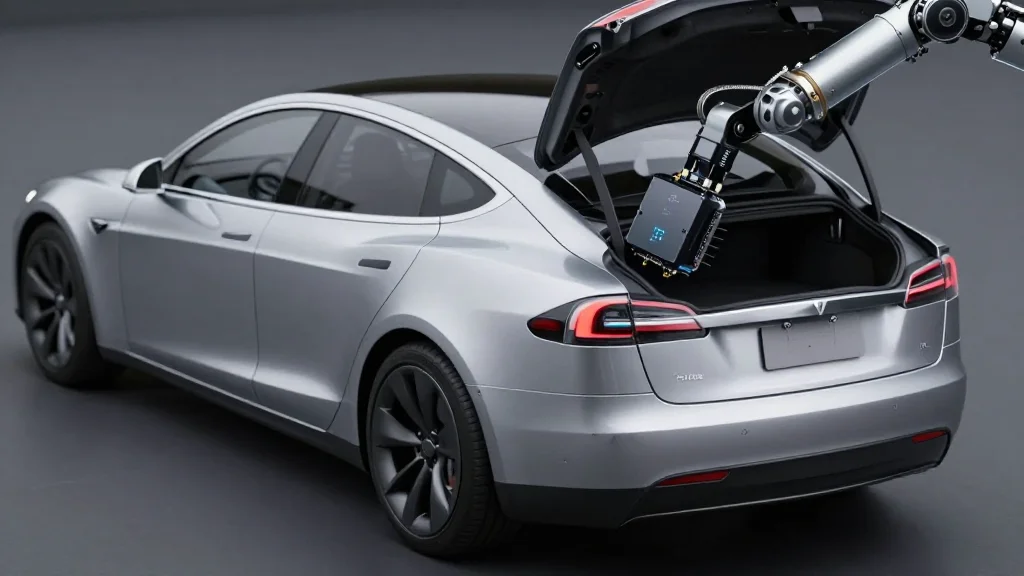
Tesla Rolls Out FSD Lite to HW3 Model S/X Globally, Offers Trade‑In or Upgrade

Companies Mentioned
Why It Matters
The FSD Lite rollout directly addresses a growing class of Tesla owners who feel short‑changed by the gap between promised autonomous capability and the reality of HW3 hardware. By providing a software fix and a hardware upgrade path, Tesla aims to protect its subscription revenue and mitigate legal exposure, which could otherwise erode consumer trust in its autonomous‑driving narrative. Beyond Tesla, the episode highlights a systemic challenge for the auto industry: aligning long‑term software roadmaps with the finite lifespan of vehicle hardware. As more manufacturers embed advanced driver‑assist features into their platforms, the need for scalable upgrade solutions—whether via over‑the‑air updates or modular hardware swaps—will become a competitive differentiator.
Key Takeaways
- •Tesla expands FSD V14 Lite to HW3 Model S/X globally, offering trade‑in discounts or micro‑factory retrofits.
- •Elon Musk confirmed HW3 cannot support unsupervised FSD, prompting the lite version as a compromise.
- •Owners have spent up to $15,000 on the full FSD package; many are filing claims for refunds.
- •Micro‑factory upgrades will begin in select U.S. cities later this quarter, with international pilots later in 2026.
- •The move aims to preserve subscription revenue and limit legal risk as regulators scrutinize autonomous claims.
Pulse Analysis
Tesla's hardware strategy has always been a balancing act between rapid software iteration and the physical constraints of its vehicle platforms. The HW3 rollout illustrates the cost of that gamble: a legacy hardware base that cannot be retrofitted with the latest AI stack without substantial investment. By introducing FSD Lite, Tesla is effectively segmenting its fleet—HW4 vehicles will continue to chase full autonomy, while HW3 cars receive a watered‑down experience that still monetizes the FSD subscription.
From a market perspective, the decision could blunt the immediate backlash but also sets a precedent for how legacy EV owners are treated. If Tesla's micro‑factory model proves efficient, it may become a template for other OEMs facing similar upgrade dilemmas, especially as the industry pushes toward Level 3 and Level 4 autonomy. However, the success of this approach hinges on regulatory acceptance; the tweet explicitly ties the rollout to "regional adaptation & relevant regulatory approvals." Delays in Europe or the U.S. could reignite consumer anger and fuel competitor narratives that Tesla overpromises.
Investors will watch two metrics closely: the uptake rate of the trade‑in or retrofit options, and the impact on FSD subscription churn. A high adoption rate could stabilize recurring revenue streams, while a low rate may force Tesla to issue refunds, further denting margins. In the longer run, the episode underscores the strategic importance of designing vehicles with modular, upgradable hardware—a lesson that could reshape product planning across the EV sector.
Tesla Rolls Out FSD Lite to HW3 Model S/X Globally, Offers Trade‑In or Upgrade
Comments
Want to join the conversation?
Loading comments...