The 6 Best Water-Leak Detectors for Protecting Your Home
•March 10, 2026
0
Why It Matters
Effective leak detection protects property value and reduces water‑damage costs, while smart‑home integration streamlines response and monitoring for modern households.
Key Takeaways
- •D‑Link supports 16 remote sensors, 8,000 sq ft coverage
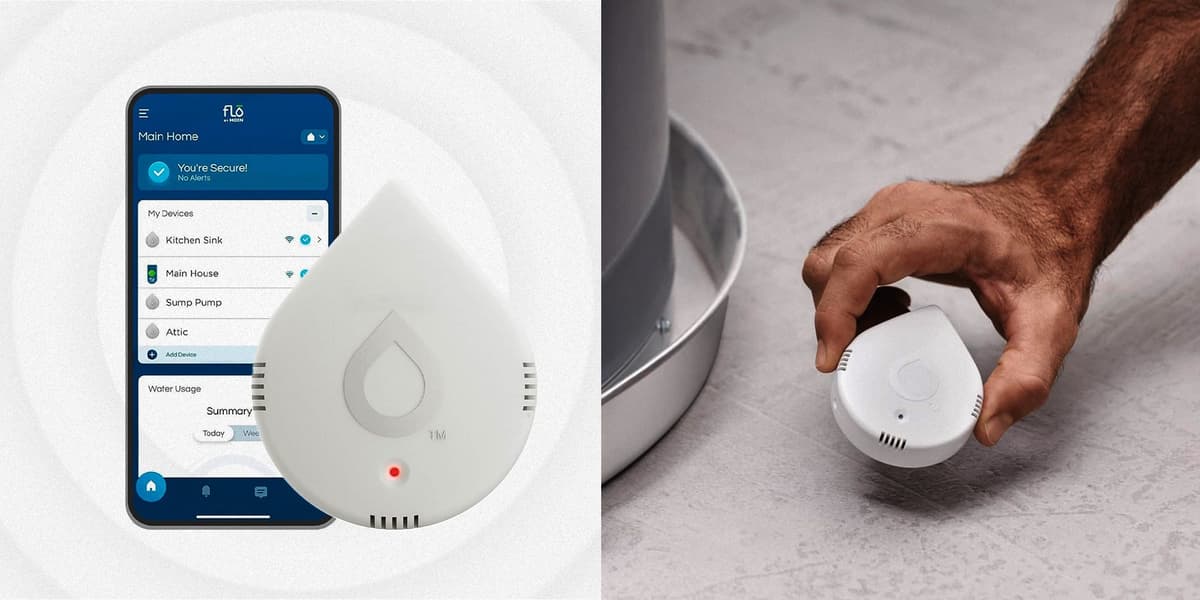
- •Flo Smart adds temperature, humidity sensing, no hub needed
- •YoLink provides 2,600 sq ft range without Wi‑Fi
- •Flo Monitor includes automatic shut‑off valve, requires professional install
- •Eve Water‑Guard integrates seamlessly with Apple HomeKit
Pulse Analysis
Homeowners are increasingly turning to smart leak detectors as part of broader IoT security strategies. Devices like D‑Link’s Wi‑Fi hub combine scalability with affordable pricing, allowing users to blanket large properties with up to 16 sensors for comprehensive coverage. The ability to integrate with platforms such as Google Assistant and IFTTT ensures alerts reach users instantly, reducing response time and potential damage.
Beyond basic detection, the market is seeing a shift toward proactive mitigation. Flo’s premium model, equipped with an automatic shut‑off valve, exemplifies this trend by cutting water flow at the main line, a feature traditionally reserved for high‑end commercial systems. Although professional installation adds cost, the ROI manifests in avoided flood repairs and insurance claims. Simultaneously, battery‑operated units like the Flo Smart and Eve Water‑Guard cater to renters or those seeking plug‑free flexibility, while still delivering temperature and humidity data for early leak prediction.
Compatibility remains a decisive factor for adoption. YoLink’s mesh network sidesteps Wi‑Fi limitations, delivering reliable alerts across sprawling homes without router dependence. Meanwhile, Apple‑centric users gravitate toward Eve Water‑Guard for seamless HomeKit integration, reinforcing the importance of ecosystem alignment. As smart‑home ecosystems mature, manufacturers that prioritize cross‑platform support, local data storage, and automated shut‑off will dominate the next wave of residential water‑safety solutions.
The 6 Best Water-Leak Detectors for Protecting Your Home
0
Comments
Want to join the conversation?
Loading comments...