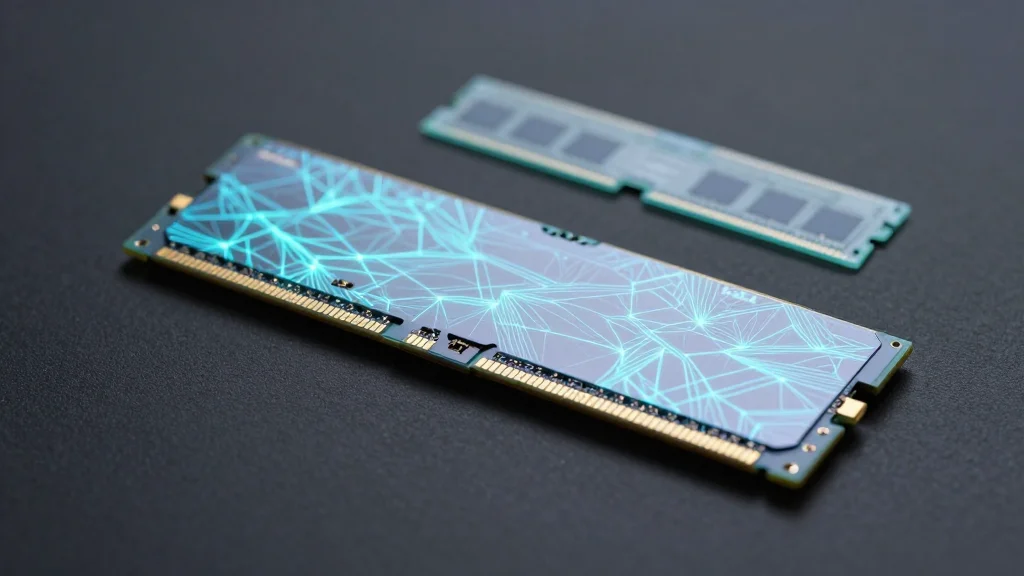
The AI RAM Shortage Is Also Driving Up SSD Prices

Why It Matters
Higher SSD prices raise the total cost of ownership for PCs, data‑center upgrades and AI developers, potentially slowing AI adoption and tightening consumer budgets. The trend also highlights broader semiconductor supply‑chain constraints that could affect related hardware markets.
Key Takeaways
- •AI training workloads consume bulk of NAND flash supply
- •WD Black 2TB SSD price rose 275% since Nov 2025
- •Samsung 4TB 990 Pro now costs nearly $1,000, up from $320
- •256GB‑4TB SSDs have doubled or tripled in price since Dec 2025
- •External SanDisk SSDs saw 200% price increase at Apple Store
Pulse Analysis
The explosion of generative‑AI models has turned memory chips into a strategic commodity. Training large language models requires massive amounts of high‑bandwidth memory, prompting manufacturers to allocate a disproportionate share of their NAND wafer output to data‑center customers. This reallocation squeezes the inventory pool for consumer SSDs, which rely on the same silicon processes, and forces prices upward as retailers compete for dwindling stock.
For everyday users and small‑business IT teams, the price shock translates into a higher barrier to entry for upgrades and new builds. A 2 TB SSD that once cost under $200 now approaches $650, making it a significant line‑item in a typical PC budget. The ripple effect reaches system integrators, gaming enthusiasts, and even content creators who depend on fast storage for large media files. Some buyers are turning to older SATA drives or refurbished units, but the performance gap can be a deal‑breaker for latency‑sensitive workloads.
Looking ahead, the market’s response will hinge on capacity expansion and diversification. Companies like SK Hynix and Micron have announced plans to increase NAND fab output, while newer players such as Kioxia aim to introduce advanced 3D‑stacked architectures that could alleviate pressure. In the short term, price volatility is likely to persist, prompting enterprises to lock in longer‑term supply contracts and consumers to monitor price trends before committing to high‑capacity SSD purchases.
The AI RAM Shortage is Also Driving Up SSD Prices
Comments
Want to join the conversation?
Loading comments...