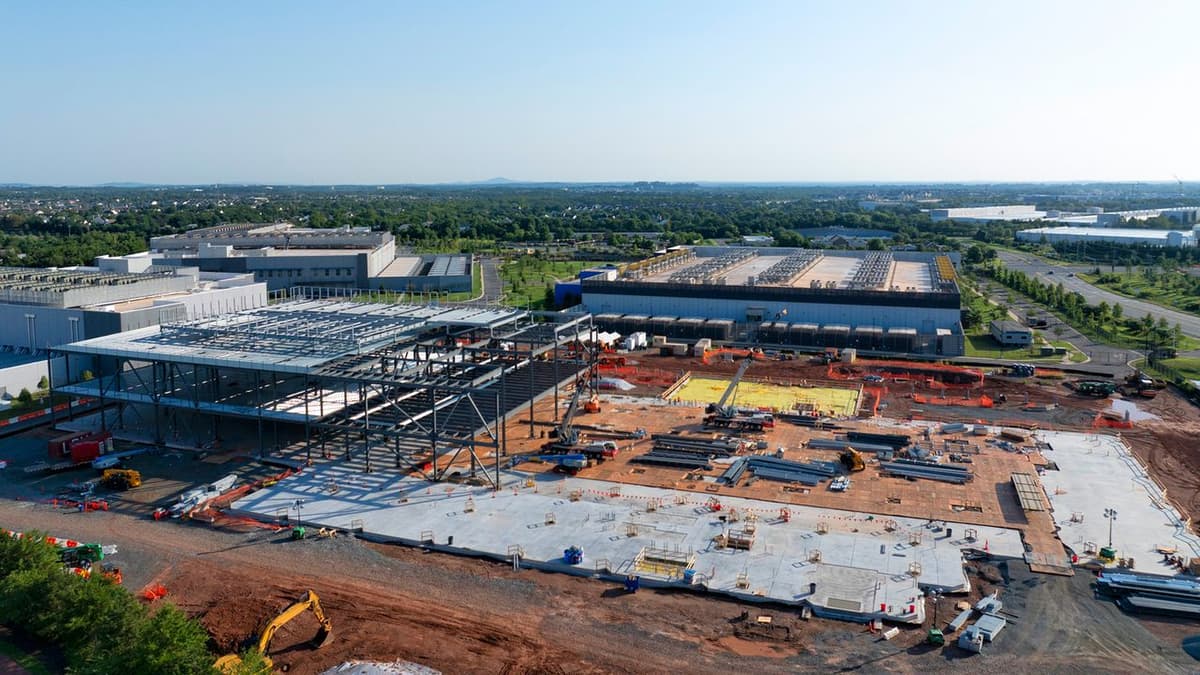
The Biggest Hurdles for Data Center Contruction
Companies Mentioned
Why It Matters
Delays raise capital costs and slow the rollout of AI compute capacity, affecting tech firms' competitive edge. Understanding these hurdles lets investors and developers plan realistic timelines and mitigate regulatory risk.
Key Takeaways
- •Permitting approvals span local, county, state, and private landowner jurisdictions.
- •Emission permits required before operating any combustion equipment, limiting uptime goals.
- •Offset credits scarce in regions like Dallas‑Fort‑Worth, blocking emissions compliance.
- •Skilled construction labor scarce in Texas, Georgia, Northern Virginia markets.
- •Liquid‑cooling technologies reduce water use but need upfront investment and planning.
Pulse Analysis
The regulatory maze surrounding data‑center construction has become a decisive factor in the AI boom. Developers must navigate a patchwork of zoning, power, water and air‑quality permits that can stretch months, often before land is even purchased. Each jurisdiction imposes its own emissions thresholds, forcing firms to conduct detailed combustion‑equipment analyses and secure local authority approvals. This protracted process not only inflates project budgets but also creates uncertainty for investors seeking rapid capacity expansion.
Environmental compliance adds another layer of complexity. Many states enforce strict air‑emission standards, and the requirement to obtain offset credits can stall projects in regions where such credits are virtually unavailable, as seen in the Dallas‑Fort‑Worth market. Companies aiming for five‑nine uptime are forced to balance high‑performance cooling and power redundancy against the risk of exceeding the 25‑ton annual emission cap. Consequently, many operators are reevaluating the mix of gas‑turbine generators and exploring renewable‑energy contracts to stay within regulatory limits while meeting service‑level agreements.
Labor scarcity and community pushback further tighten the construction timeline. Skilled tradespeople are in short supply in hotspots like Texas, Georgia and Northern Virginia, leading to higher subcontractor rates and project delays. At the same time, local residents increasingly question the water and power footprint of massive AI facilities. To address these pressures, firms are adopting liquid‑cooling solutions—such as closed‑loop and immersion systems—that dramatically cut water usage and lower emissions. However, these technologies require upfront capital and careful site‑specific planning, underscoring the need for a coordinated, region‑focused strategy that aligns regulatory, environmental and workforce considerations.
The biggest hurdles for data center contruction
Comments
Want to join the conversation?
Loading comments...