Key Takeaways
- •Portable Apple II clone with built‑in 80‑column video card
- •Includes Z80 Softcard for CP/M compatibility on the go
- •Powered by 4×18650 lithium cells, offering several hours of runtime
- •Supports original Disk II drives and modern floppy emulators via controller
Pulse Analysis
The resurgence of retro computing has turned classic platforms into niche yet lucrative markets, and the Apple II remains a cornerstone of that movement. First introduced in 1977, the Apple II pioneered personal computing, spawning a vast library of software that still holds educational and nostalgic value. Modern hobbyists often rebuild or emulate these machines, but portability and hardware integration have been persistent challenges. The BOOK II addresses these gaps by delivering a fully functional Apple II Plus clone in a suitcase‑sized form factor, preserving the original experience while adding contemporary conveniences.
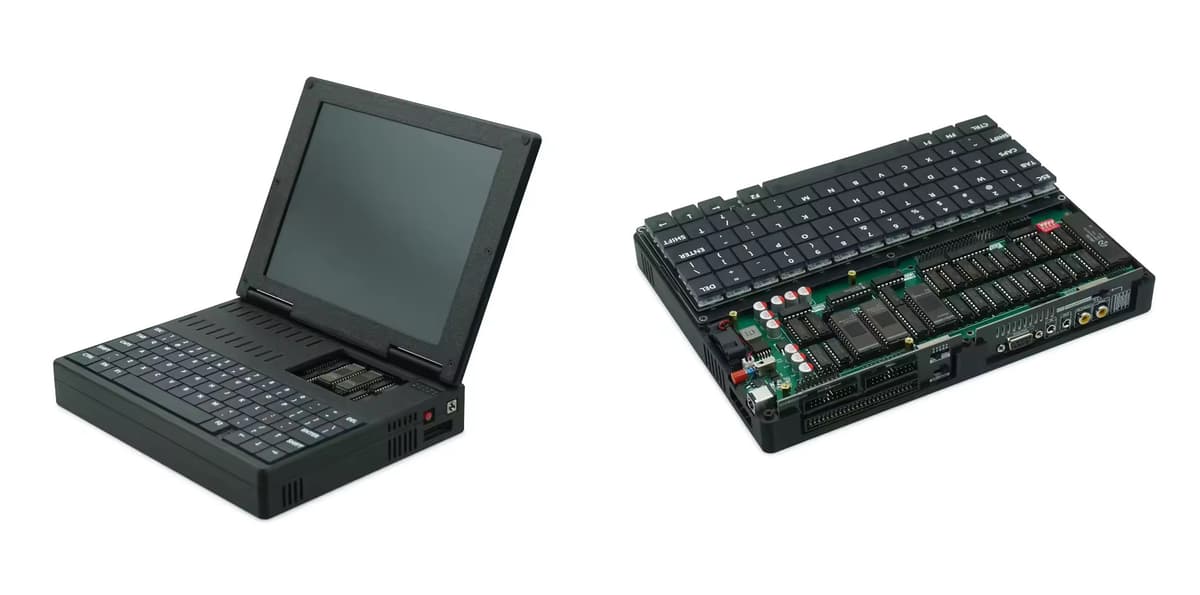
Technically, the BOOK II packs a 6502 CPU, 48 KB of SRAM, and an optional 16 KB Language Card, mirroring the memory architecture of early Apple II models. Its built‑in 80‑column video card upgrades the classic 40‑column display, enabling modern text‑heavy applications and better readability. The inclusion of a Z80 Softcard brings CP/M compatibility, opening the device to a broader software ecosystem. Integrated printer and Disk II controllers mean users can connect legacy peripherals or use USB‑based floppy emulators without external adapters. The RGB LCD and low‑profile mechanical keyboard complete the portable package, while a four‑cell 18650 lithium battery provides several hours of untethered operation.
At a $550 price point, the BOOK II sits at the higher end of the retro‑hardware spectrum, but its all‑in‑one design justifies the cost for serious collectors and developers. By bundling essential expansions that previously required separate add‑on cards, the device simplifies the setup process and reduces total ownership expense. This launch signals a growing demand for turnkey retro systems, encouraging other manufacturers to explore similar portable solutions. As the community continues to value authentic hardware experiences, the BOOK II could become a reference platform for software preservation, educational projects, and niche commercial applications that rely on the Apple II’s legacy.
The BOOK II
Comments
Want to join the conversation?