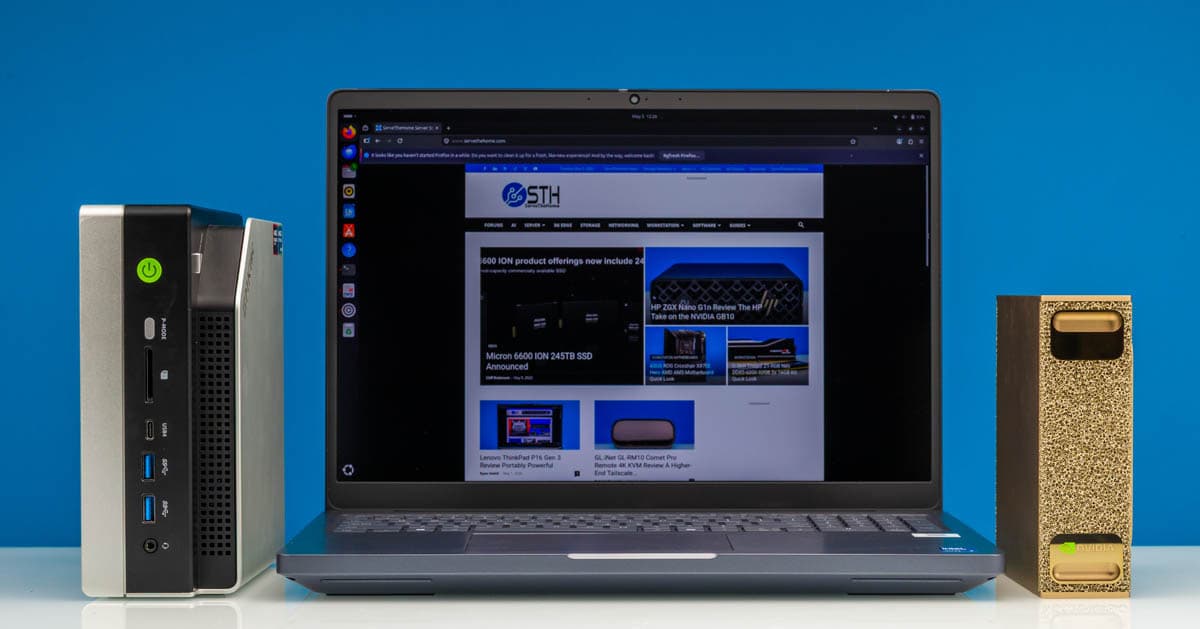
The Case For Compilers: A Look at SPEC CPU 2026 on LLVM 22
Companies Mentioned
Why It Matters
Compiler advances now shift SPEC CPU scores, meaning hardware vendors must consider toolchain performance alongside silicon. The gains also signal that software‑stack optimizations can materially affect real‑world workloads, influencing purchasing and R&D decisions.
Key Takeaways
- •LLVM 22 delivers 4‑7% overall SPEC CPU2026 speedup over LLVM 20
- •Sealcrypto benchmark jumps 63‑129% with newer compiler
- •Intel sees modest gains; AMD and NVIDIA benefit most
- •Compiler improvements are now a competitive differentiator for hardware vendors
Pulse Analysis
The SPEC CPU 2026 suite marks a strategic shift in performance measurement by distributing its workloads as source code rather than binaries. This design choice forces every test to depend heavily on the compiler’s ability to translate high‑level algorithms into efficient machine instructions. As a result, the benchmark serves as a joint gauge of silicon capability and compiler sophistication, a rarity among industry‑standard suites. For enterprises evaluating compute platforms, understanding the compiler’s role is now as critical as the processor’s clock speed.
When the latest LLVM 22.1.4 toolchain replaces the year‑old LLVM 20.1.8, the impact is immediately visible. Across three reference systems—a Dell Intel Core Ultra 9, an EVO‑X2 Ryzen AI Max, and an NVIDIA DGX Spark—the new compiler lifts single‑threaded intrate scores by roughly 4‑6% and full‑rate floating‑point rates by up to 8%. The most striking result is the sealcrypto benchmark, where LLVM 22 accelerates execution by 63% on Intel, 90% on AMD, and a staggering 129% on NVIDIA hardware. These gains stem from a cascade of backend optimizations, vectorization improvements, and better handling of cryptographic primitives, although pinpointing a single cause remains challenging.
The broader implication is that hardware vendors can no longer rely solely on raw silicon performance to win SPEC rankings. Investing in cutting‑edge compiler development—or tightly integrating proprietary compilers with their CPUs—becomes a competitive necessity. For cloud providers and enterprise buyers, the findings suggest that selecting a platform with a modern, well‑tuned toolchain can deliver measurable cost savings and performance headroom, especially for workloads resembling sealcrypto’s encrypted‑data processing. As the SPEC community continues to evolve, the interplay between compilers and CPUs will likely shape the next decade of benchmark‑driven innovation.
The Case For Compilers: A Look at SPEC CPU 2026 on LLVM 22
Comments
Want to join the conversation?
Loading comments...