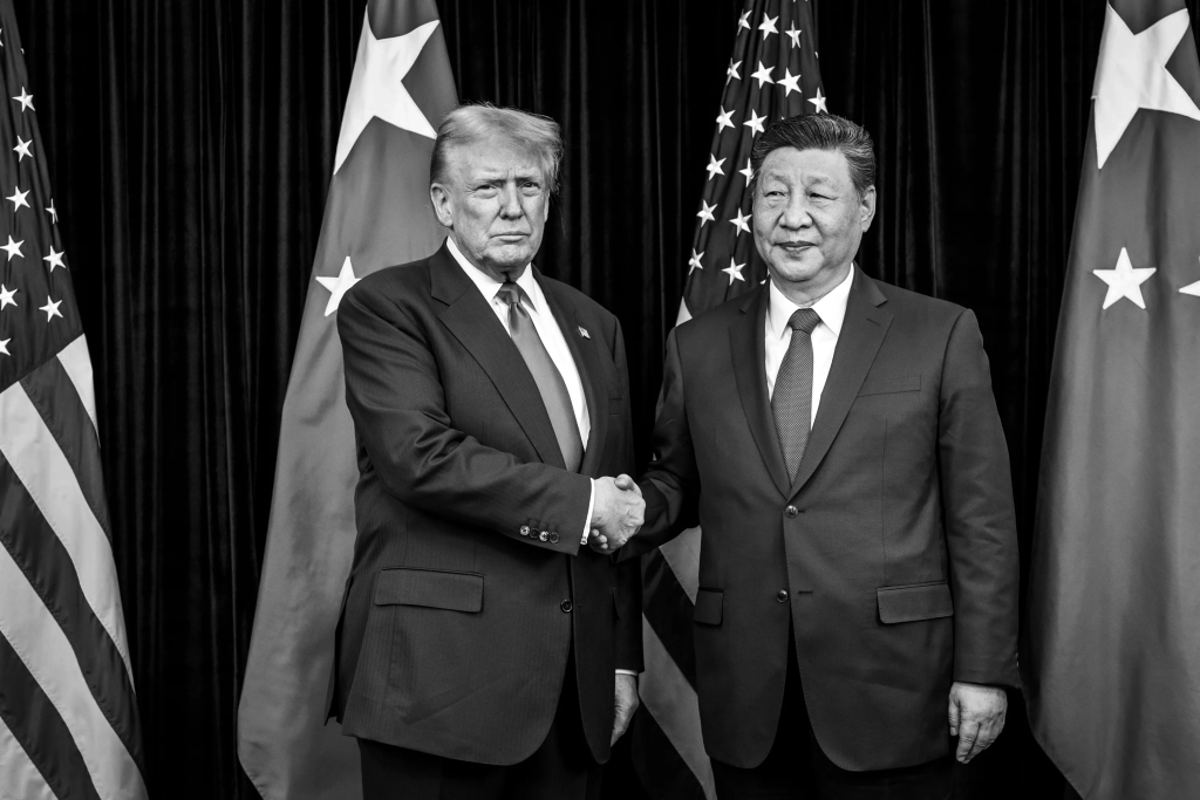
The Nvidia H200 China Deal Survived the Trump-Xi Summit–Just Not in the Way Anyone Expected

Why It Matters
The impasse illustrates how divergent U.S. export rules and Chinese domestic policy can cripple a high‑value technology deal, reshaping the AI hardware landscape in the world’s second‑largest AI market.
Key Takeaways
- •Nvidia H200 export licences granted to ten Chinese firms
- •Beijing blocks domestic deployment, creating regulatory deadlock
- •Huawei Ascend chips gain AI model optimization support
- •Nvidia China revenue fell to ~5% from >20% pre‑controls
- •U.S.–China policy clash reshapes China’s AI hardware market
Pulse Analysis
The Nvidia H200 saga underscores the complexity of U.S. export controls intersecting with Chinese industrial policy. While the U.S. Commerce Department approved licences for ten major Chinese tech firms in late 2025, the Trump‑Xi summit produced no concrete change. The licences allow up to 75,000 chips per company, with Lenovo and Foxconn acting as distributors, yet Beijing’s directive that Chinese firms use Nvidia chips only for overseas operations directly contradicts the U.S. requirement that the chips be deployed domestically. This regulatory mismatch has frozen shipments, leaving a high‑performance AI accelerator on the shelf.
Meanwhile, Beijing is accelerating a home‑grown AI compute strategy centered on Huawei’s Ascend processors. DeepSeek’s V4 model, the first major Chinese frontier AI model tuned for Huawei chips during training, signals a maturing domestic stack. Tencent and Alibaba executives have confirmed expanding domestic GPU capacity, and Huawei’s ecosystem is receiving support from state‑backed supply‑chain security reviews. As a result, Nvidia’s China revenue has plunged from over 20% of its global sales to roughly 5%, and the company now forecasts zero Chinese revenue for the current quarter. The shift reflects a broader push to reduce reliance on U.S. semiconductors and to cultivate indigenous alternatives.
The broader AI industry watches this deadlock as a bellwether for future hardware dominance. With the world’s second‑largest AI market being steered toward domestic chips, the performance gap between Nvidia’s H200 and Huawei’s Ascend must close quickly for Chinese firms to stay competitive. If Huawei can deliver comparable inference performance, the domestic stack could become the default, reshaping global supply chains and influencing where AI startups and cloud providers source their compute. Investors and policymakers alike must monitor how these divergent regulatory frameworks will affect innovation, market share, and the geopolitical balance of AI technology.
The Nvidia H200 China deal survived the Trump-Xi summit–just not in the way anyone expected
Comments
Want to join the conversation?
Loading comments...