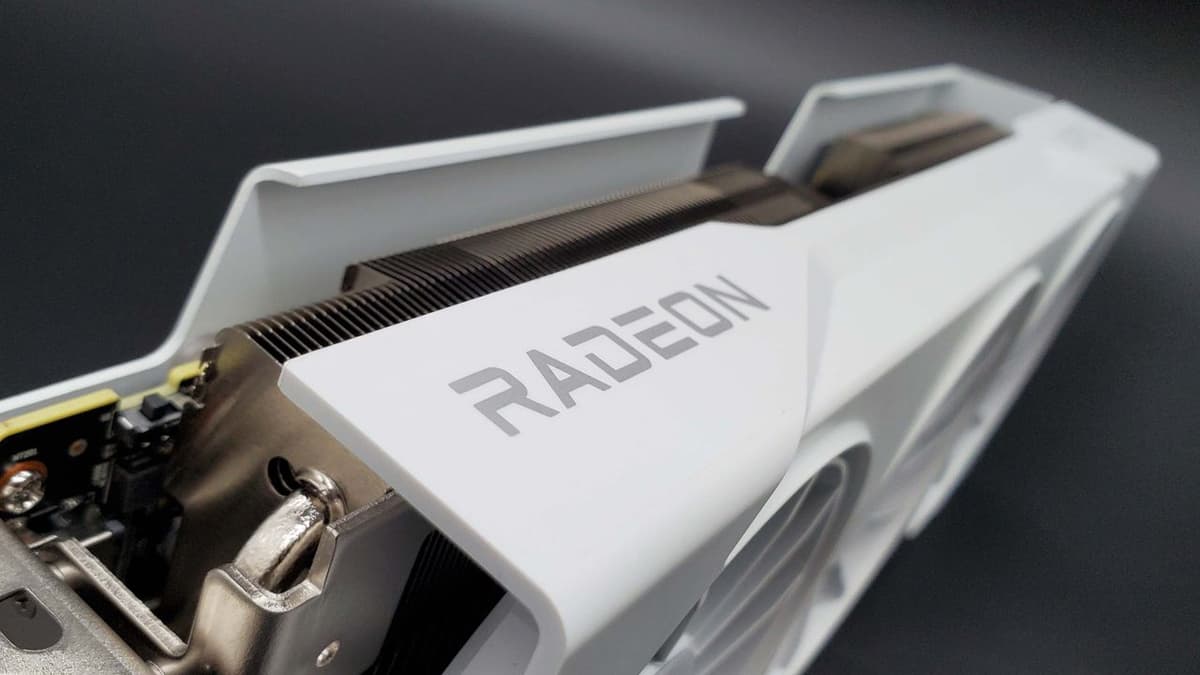
The Overclocking Headroom in AMD's Radeon 7000-Series GPUs 'Was Certainly Not Accidental... The Core of Radeon Has to Be All About Value to the End User'
Companies Mentioned
Why It Matters
The move signals a market shift where GPU makers prioritize user customization, extending product lifespan and boosting performance without extra hardware cost. It also strengthens AMD’s competitive edge by leveraging community engagement and value‑driven pricing.
Key Takeaways
- •AMD designed RX 9070 GRE with extra overclock headroom.
- •Undervolting can boost performance beyond stock specs.
- •Strategy mirrors Ryzen: value and community‑centric approach.
- •Future Radeon GPUs will prioritize user tunability over fixed performance.
Pulse Analysis
Overclockability has long been a niche hobby for PC enthusiasts, but AMD’s recent statements suggest it is becoming a mainstream design pillar. By engineering the RX 9070 GRE to retain significant headroom when undervolted, AMD acknowledges that a sizable segment of its customer base values the ability to fine‑tune power and performance. This contrasts with earlier generations where manufacturers locked GPUs at a predetermined boost clock, limiting post‑sale experimentation. The shift aligns with broader industry trends where flexibility and longevity are prized over raw out‑of‑the‑box numbers.
The RX 9070 GRE, positioned as a mid‑range offering, demonstrates how AMD can extract additional frames per second without increasing the bill of materials. Reviewers have reported noticeable gains when applying modest undervolt settings, translating into smoother gameplay at 1080p and even 1440p in many titles. Coupled with AMD’s software stack—such as FidelityFX Super Resolution (FSR) and driver optimizations—the card delivers a value proposition that rivals higher‑priced competitors. By allowing users to balance power draw and thermal output, the GPU appeals to budget‑conscious gamers who still want competitive performance.
Looking ahead, AMD’s emphasis on user‑driven performance could reshape the GPU market’s product cadence. Future Radeon cards may ship with more granular BIOS controls, enhanced tuning utilities, and clearer guidance for safe overclocking. This community‑centric approach not only fosters brand loyalty but also creates a feedback loop that can accelerate innovation. As game developers continue to integrate AMD‑specific technologies, the synergy between hardware flexibility and software support may become a decisive factor for consumers weighing AMD against Nvidia or Intel graphics solutions.
The overclocking headroom in AMD's Radeon 7000-series GPUs 'was certainly not accidental... the core of Radeon has to be all about value to the end user'
Comments
Want to join the conversation?
Loading comments...