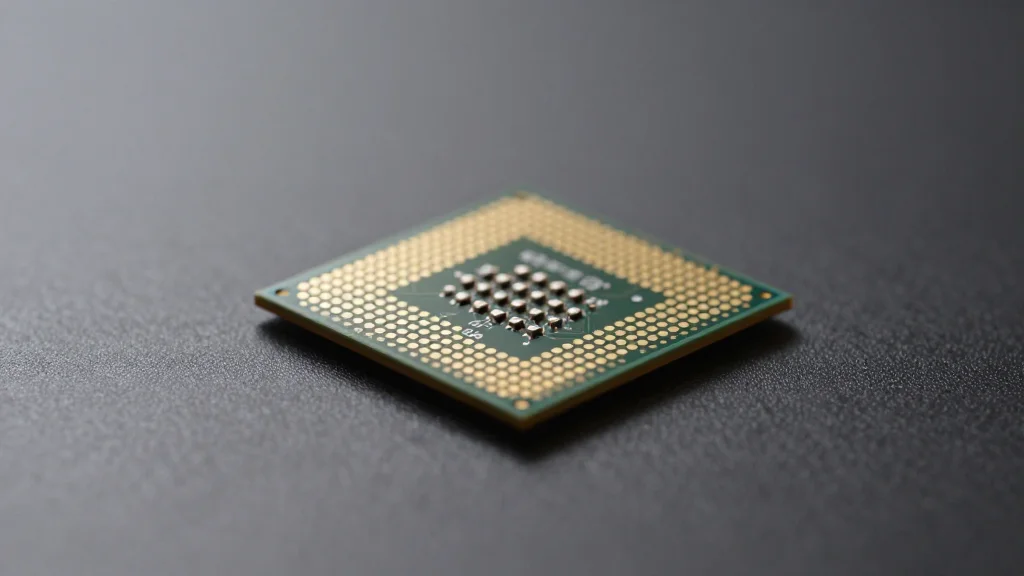
The PCIe 5.0 Tax: Intel's Z990 Chipset for Nova Lake Runs Hotter and Uses More Power Despite Shrinking
Companies Mentioned
Why It Matters
The power‑hungry, hotter Z990 reshapes motherboard engineering, demanding stronger VRM and cooling solutions while signaling Intel’s commitment to high‑bandwidth PCIe 5.0 ecosystems.
Key Takeaways
- •Z990 PCH shrinks 22% area, yet draws more power
- •Base power rises to 7.9 W, peaks at 14 W
- •Maximum temperature rating climbs to 113 °C, 5 °C higher
- •PCIe 5.0 lanes drive power increase under heavy I/O
- •Nova Lake CPUs may reach 52 cores, raising platform demand
Pulse Analysis
Intel’s Z990 chipset for the Nova Lake desktop platform illustrates a paradox of modern silicon: a smaller die that consumes more energy. The PCH’s footprint contracts by roughly 22 percent, yet its baseline power climbs to 7.9 watts and can spike to 14 watts when all PCIe 5.0 lanes are active. This shift is driven by the need to maintain signal integrity at the unprecedented 32 GT/s speeds of PCIe 5.0, which requires tighter voltage regulation and more robust clocking circuitry. The higher thermal ceiling of 113 °C further underscores the trade‑off between density and power efficiency that Intel is willing to accept to deliver bandwidth‑heavy configurations.
For motherboard manufacturers, the Z990’s characteristics pose immediate design challenges. Power delivery networks must accommodate a larger current draw, especially in multi‑GPU or high‑speed storage builds where the chipset becomes the bottleneck for data traffic. Cooling solutions will need to address the elevated temperature envelope, potentially integrating larger heatsinks or active cooling directly on the PCH. Compared with the Z890, the new platform also demands more sophisticated PCB layouts to manage signal loss and crosstalk across the expanded PCIe 5.0 lane count, raising both component costs and engineering complexity.
From a market perspective, Intel’s move signals confidence that the ecosystem can support PCIe 5.0 at scale, despite the power penalties. System integrators targeting enthusiasts, workstations, and AI workloads will weigh the performance gains of up to 52‑core Nova Lake CPUs against the increased power and cooling budgets. Competitors may feel pressure to match Intel’s bandwidth roadmap while optimizing efficiency, potentially accelerating innovation in low‑power PCH designs. Ultimately, the Z990’s higher power envelope could translate into higher system prices, but it also opens the door for next‑generation workloads that rely on massive I/O throughput.
The PCIe 5.0 tax: Intel's Z990 chipset for Nova Lake runs hotter and uses more power despite shrinking
Comments
Want to join the conversation?
Loading comments...