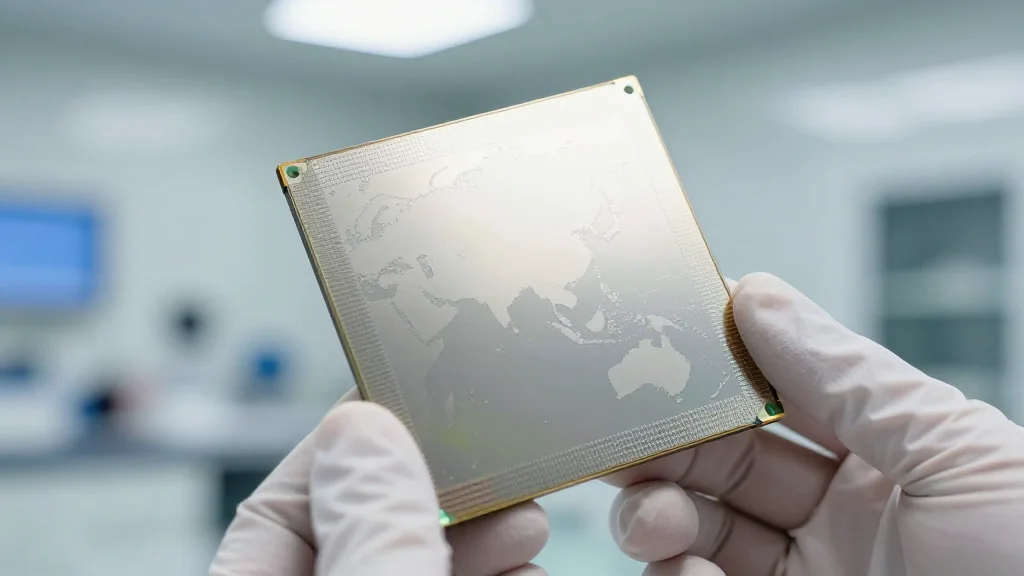
Trump Says Apple to Partner with Intel on US Chip Design, Production
Why It Matters
The partnership reduces Apple’s reliance on foreign fabs, bolstering U.S. semiconductor sovereignty, while giving Intel a marquee customer to revive its manufacturing business. It underscores a broader push to reshore critical chip production amid rising geopolitical and AI‑driven demand.
Key Takeaways
- •Apple adds Intel as US chip design partner
- •Intel secures steady demand from major consumer‑electronics brand
- •Partnership diversifies Apple’s supply away from TSMC
- •Aligns with US government $10 billion Intel investment
- •Supports reshoring of semiconductor production amid AI demand
Pulse Analysis
The Trump administration has made reshoring semiconductor manufacturing a national priority, leveraging equity stakes and direct investment to secure supply chains. Apple’s reliance on TSMC for advanced nodes has left it vulnerable to capacity constraints driven by AI chipmakers such as Nvidia and AMD. By announcing a partnership with Intel, the president signals a strategic shift toward domestic production, aiming to insulate critical consumer‑electronics supply from geopolitical disruptions and to meet the soaring demand for high‑performance chips.
Intel’s recent rollout of its 18A process node marks a technical milestone that could narrow the performance gap with industry leader TSMC. However, Intel has struggled to attract high‑volume customers for its foundry services. Securing Apple as a client provides a steady revenue stream and a credibility boost, potentially encouraging other OEMs to consider Intel’s fabs. The deal also dovetails with the government’s $10 billion infusion, which is intended to expand capacity, modernize facilities, and accelerate the transition to advanced lithography in the United States.
Beyond the immediate business benefits, the Apple‑Intel alliance reflects a broader trend of U.S. companies re‑evaluating their global supply chains. As AI workloads drive unprecedented chip demand, policymakers and executives alike are prioritizing resilience over cost alone. The partnership could spur further investment in domestic fabs, stimulate talent pipelines, and intensify competition among foundries. In the long run, it may reshape the semiconductor landscape, positioning the United States as a more self‑sufficient hub for next‑generation chip design and production.
Trump says Apple to partner with Intel on US chip design, production
Comments
Want to join the conversation?
Loading comments...