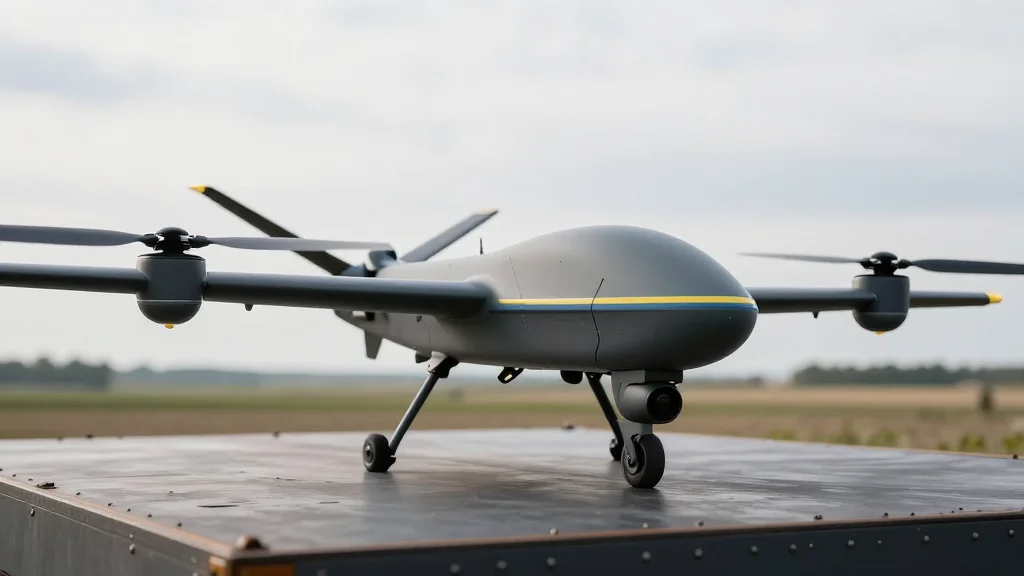
Ukraine Deploys Home‑Made FP‑1 and RS‑1 Drones in Massive Moscow Strike

Why It Matters
The deployment of home‑grown FP‑1 and RS‑1 drones in a high‑profile attack demonstrates that Ukraine can field sophisticated, long‑range unmanned strike platforms without relying on external suppliers. This capability narrows the technology gap with Russia and may inspire other nations to develop similar low‑cost, high‑volume drone arsenals. Moreover, the operation tests the limits of Russia’s dense air‑defence network, potentially prompting a doctrinal shift toward more integrated counter‑UAV measures. For the broader hardware sector, the success of privately manufactured drones at scale underscores the commercial viability of rapid, cost‑effective production lines for military UAVs. Investors and defense contractors worldwide will likely reassess the strategic value of supporting domestic drone programs that can be fielded in large numbers against fortified targets.
Key Takeaways
- •Ukraine used FP‑1 Firepoint, RS‑1 Bars and Bars‑SM Gladiator drones in a strike involving over 120 UAVs.
- •FP‑1 can travel >900 miles, carry ~260 lb of explosives, and costs about $50,000 per unit.
- •RS‑1 Bars reaches up to 500 miles with a 100‑200 lb payload and is designed for mass production.
- •Production rate reported at 200 FP‑1 drones per day by Fire Point.
- •Targets hit included a microchip plant 18 miles from Moscow and an oil‑pumping station 30 miles away.
Pulse Analysis
Ukraine’s recent Moscow raid illustrates how a modestly funded, domestically sourced drone program can achieve strategic effects traditionally reserved for high‑cost missile systems. The FP‑1 and RS‑1 platforms combine long‑range endurance with payloads sufficient to damage critical infrastructure, yet their unit cost—roughly $50,000—makes them expendable in swarm attacks. This economics‑of‑scale approach forces adversaries to allocate disproportionate air‑defence resources to counter relatively cheap threats, eroding the cost‑effectiveness of their own high‑value systems.
Historically, long‑range strike capability has been the domain of state‑level missile programs. Ukraine’s pivot to mass‑produced UAVs reflects a broader trend where the line between missile and drone blurs, driven by advances in miniaturized propulsion, guidance, and payload integration. The private‑sector involvement in the RS‑1 Bars suggests a new model of defense procurement, where governments act as customers rather than sole developers, accelerating innovation cycles and reducing lead times.
Looking ahead, the success of this operation could catalyze a wave of similar indigenous drone initiatives across Europe and Asia, especially in nations facing budget constraints but needing credible deterrence. However, the effectiveness of such systems will hinge on continued improvements in stealth, electronic‑warfare resilience, and autonomous targeting. Russia’s likely response—enhanced layered defenses and directed‑energy weapons—will shape the next generation of counter‑UAV tactics, setting a high‑stakes arms race in the unmanned domain.
Ukraine Deploys Home‑Made FP‑1 and RS‑1 Drones in Massive Moscow Strike
Comments
Want to join the conversation?
Loading comments...