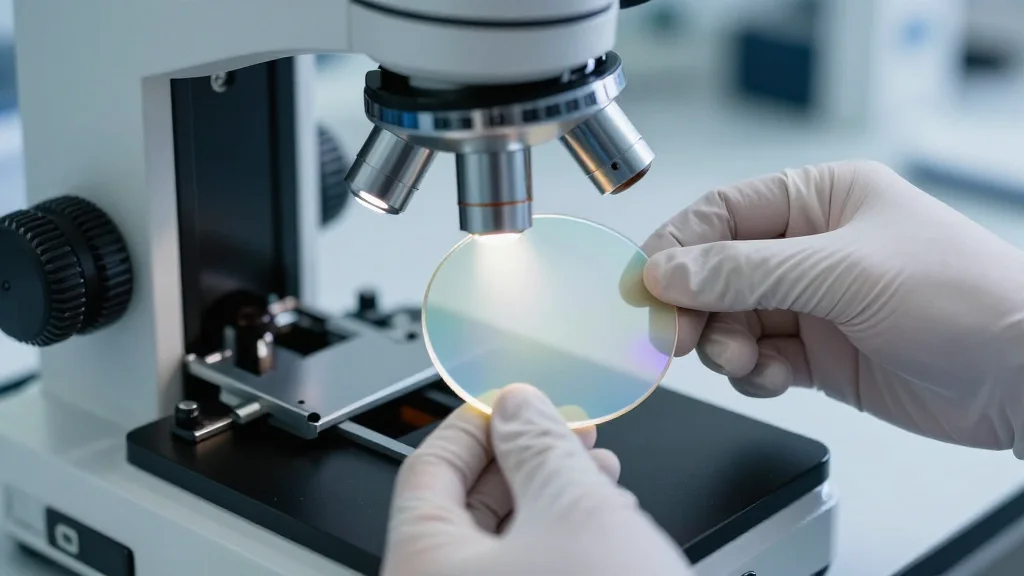
University of Texas at Dallas and Attolight Launch New Demo Lab for Wide-Bandgap R&D
Why It Matters
The facility accelerates WBG device development, boosting regional supply‑chain competitiveness and addressing the growing demand for high‑performance power and optoelectronic components.
Key Takeaways
- •Attolight’s Allalin CL‑SEM enables nondestructive nanoscale defect analysis
- •Lab targets GaN and SiC, key materials for power and optoelectronics
- •Provides contract R&D services for semiconductor firms and academic collaborators
- •Enhances UTD’s semiconductor talent pipeline in the Dallas‑Fort Worth hub
- •Strengthens Texas’ position as a U.S. wide‑bandgap manufacturing center
Pulse Analysis
The wide‑bandgap (WBG) semiconductor market is entering a rapid expansion phase, driven by the demand for high‑efficiency power converters, 5G infrastructure, and next‑generation lighting. Gallium nitride (GaN) and silicon carbide (SiC) devices deliver superior voltage handling, thermal performance, and switching speeds compared with traditional silicon, making them essential for electric vehicles, data centers, and aerospace applications. However, the performance edge of these materials hinges on precise defect control and material uniformity, which in turn requires sophisticated, nondestructive characterization tools capable of probing structures at the nanometer scale.
Attolight’s Allalin CL‑SEM platform combines a high‑resolution scanning electron microscope with a proprietary cathodoluminescence light‑collection system, delivering quantitative spectral data without damaging the sample. This capability allows researchers to map dislocation densities, impurity clusters, and strain fields in GaN and SiC wafers, accelerating yield optimization and reducing costly rework. By situating the system in a dedicated demonstration laboratory at the University of Texas at Dallas, the partnership offers immediate access to contract research services for chipmakers and academic groups, shortening development cycles and fostering collaborative innovation across the supply chain.
The new lab reinforces Texas’ strategic ambition to become a national hub for semiconductor manufacturing and talent development. Students in Professor Matthew Wong’s group gain hands‑on experience with industry‑grade metrology, bridging the gap between classroom theory and real‑world production challenges. For regional firms, the facility provides a local source of advanced analytics, mitigating the need to outsource to distant research centers. As the United States seeks to secure a resilient WBG supply chain, initiatives like the UTD‑Attolight lab are poised to drive both economic growth and workforce readiness in the Dallas‑Fort Worth corridor.
University of Texas at Dallas and Attolight launch new demo lab for wide-bandgap R&D
Comments
Want to join the conversation?
Loading comments...