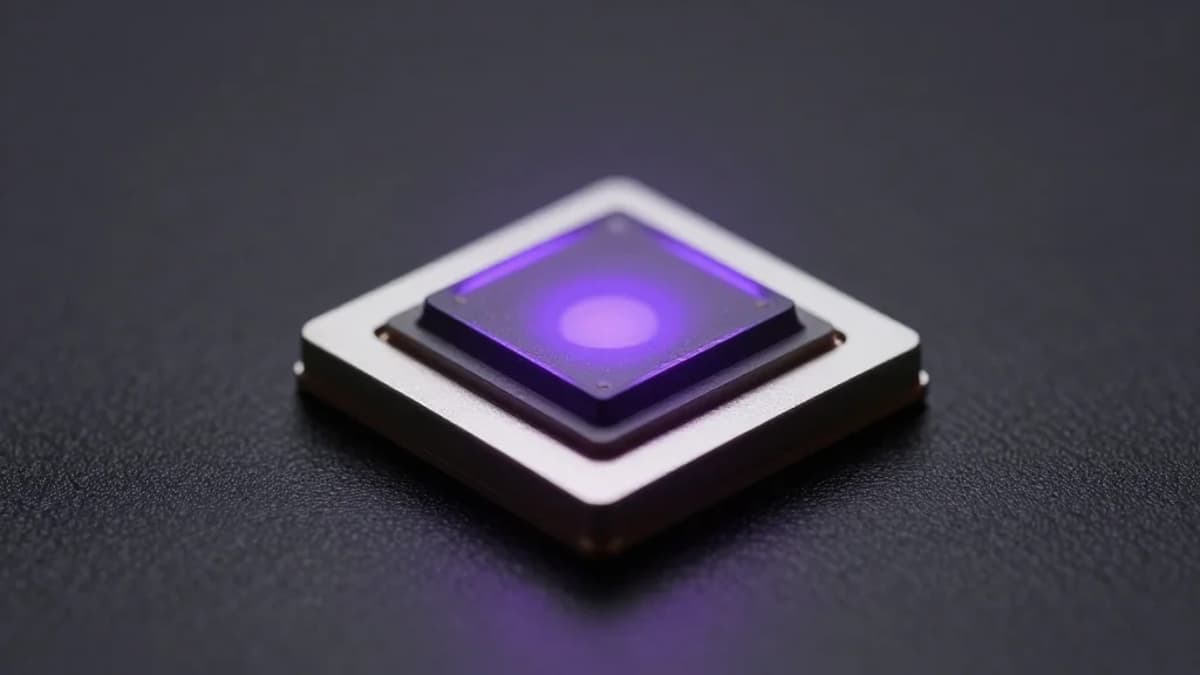
UV LED Prices Rising by 5% in Q1 Due to Increased Material and Labor Costs
•February 24, 2026
0
Why It Matters
Rising prices and expanding demand boost revenue prospects for LED makers while accelerating the shift from mercury lamps to UV LEDs in industrial sterilization.
Key Takeaways
- •UV LED prices rise 5% QoQ in Q1 2026.
- •Market to hit $215 million, >10% annual growth.
- •Customized UV‑A designs drive pricing momentum.
- •Single‑chip UV‑C LEDs favored for efficiency.
- •200 mW UV‑C LED launch planned Q4 2026.
Pulse Analysis
The first quarter of 2026 has seen UV LED prices climb roughly five percent, a shift rooted in rising precious‑metal prices, raw‑material inflation, and tighter labor markets. TrendForce’s analysis links this cost pressure to a broader market expansion that is expected to reach $215 million by year‑end, reflecting at least a ten‑percent compound annual growth rate. Demand is being pulled by a diversified portfolio of applications—UV curing, tanning, solar simulation, and especially medical and life‑science sterilization—where higher performance justifies premium pricing.
Manufacturers are responding by deepening their custom‑design capabilities. Companies such as HPLighting, Seoul Viosys, Violumas and UVT are bundling optical solutions with tailored UV‑A LEDs, preserving both order volume and price momentum. At the same time, the push toward single‑chip UV‑C packages—offering smaller footprints, superior current spreading and lower thermal load—has accelerated, with players like ams OSRAM, Nichia, NKFG and LITEON targeting output levels above 100 mW. The upcoming 200 mW UV‑C device slated for Q4 underscores the race to meet industrial sterilization needs.
The convergence of higher prices and technical advances is reshaping the competitive landscape against traditional mercury lamps. As mercury lamp costs climb due to material constraints, UV LEDs present a lower‑maintenance, environmentally friendly alternative, especially for flowing‑water disinfection and large‑area surface sterilization. Continued R&D is expected to drive efficiency gains, further eroding the cost gap and prompting broader adoption across commercial and municipal projects. Stakeholders should monitor supply‑chain dynamics and the rollout of high‑power UV‑C modules as key growth catalysts.
UV LED prices rising by 5% in Q1 due to increased material and labor costs
0
Comments
Want to join the conversation?
Loading comments...