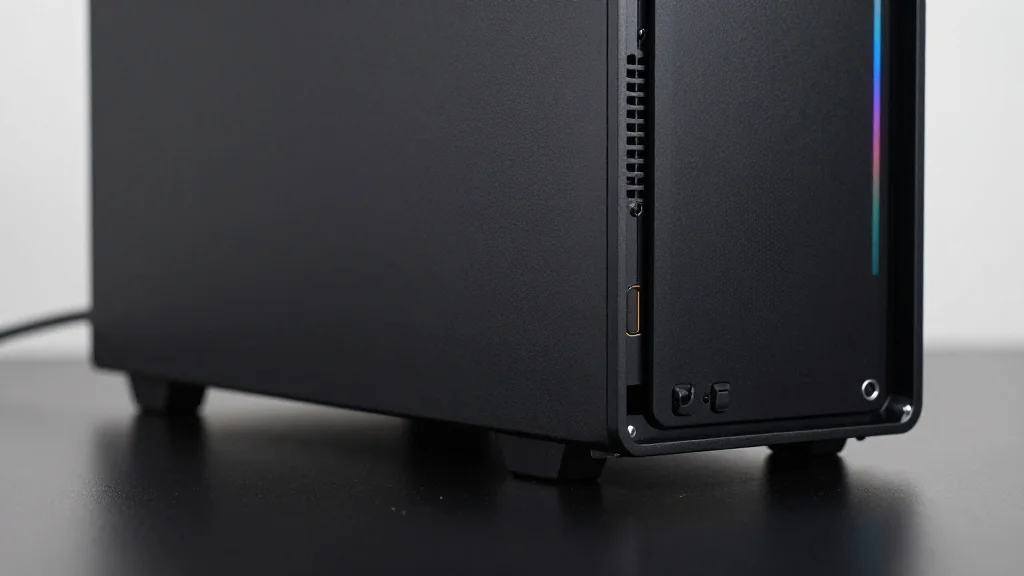
Valve Cites RAM Shortages as Cause of Steam Machine Pricing Delay

Companies Mentioned

Valve
Why It Matters
The Steam Machine represents Valve’s bid to expand the Steam ecosystem beyond software into dedicated gaming hardware. A delay not only stalls revenue from a new product line but also tests the company’s ability to navigate supply‑chain volatility that is reshaping the entire tech sector. As RAM shortages ripple through AI, data‑center, and consumer‑electronics markets, manufacturers that rely on high‑performance memory face similar pricing and timing challenges. For consumers, the uncertainty translates into postponed access to a Linux‑based alternative to Windows PCs, potentially slowing broader adoption of open‑source gaming platforms. Retailers and developers who were counting on the Steam Machine to drive sales and ecosystem growth must now adjust forecasts and marketing plans.
Key Takeaways
- •Valve delays Steam Machine launch due to global RAM shortages
- •Steam Controller released on May 4, 2026 as first hardware piece
- •Executives Lawrence Yang and Steve Cardinali cite rising memory prices as key issue
- •No pricing or launch date announced; company aims to keep price competitive
- •Delay may cede market share to competing mini‑PCs and the Steam Deck
Pulse Analysis
Valve’s hardware strategy has always hinged on delivering a tightly integrated software‑hardware experience. The Steam Machine was meant to be the flagship of that vision, offering a compact, Linux‑based gaming PC that could run SteamOS natively. By separating the controller launch from the PC, Valve hoped to maintain momentum while finalizing the more complex hardware. However, the current RAM crunch exposes a vulnerability in that plan: the reliance on a single, high‑performance component that is now a bottleneck across the industry.
Historically, hardware rollouts that encounter component shortages—think of the early 2020 GPU shortage—often see price inflation and delayed releases, eroding consumer confidence. Valve’s transparent acknowledgment of the issue may preserve goodwill, but the lack of a concrete pricing roadmap could also fuel speculation that the final product will be priced significantly higher than initially projected. Competitors like Microsoft, which is working to improve Windows 11 performance for gaming, may capitalize on this gap, especially if they can secure stable component supplies.
Looking ahead, Valve’s ability to secure RAM at predictable costs will dictate whether the Steam Machine can launch as a viable competitor or become a niche product. If the shortage eases, Valve could leverage its strong brand and the Steam ecosystem to capture a dedicated segment of gamers seeking a Linux‑first experience. Conversely, prolonged scarcity may force Valve to redesign the machine around lower‑cost memory, potentially compromising performance and undermining the value proposition that justified its premium positioning. The next quarterly update will be a critical barometer for the project's viability.
Valve cites RAM shortages as cause of Steam Machine pricing delay
Comments
Want to join the conversation?
Loading comments...