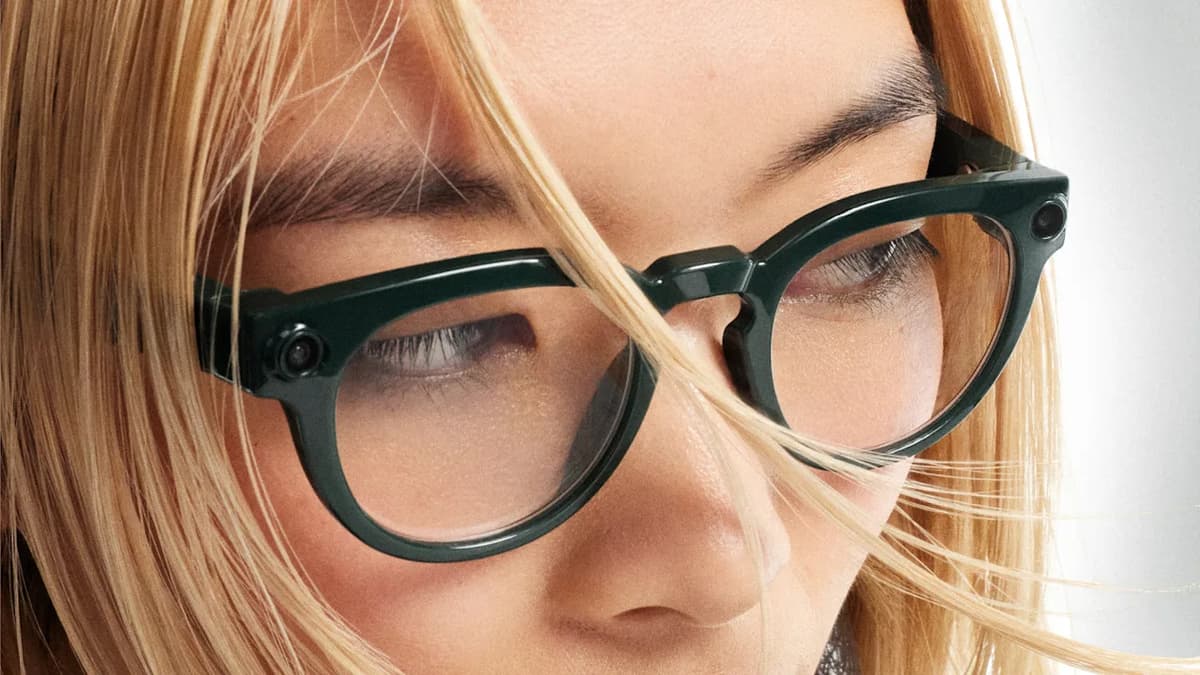
Warby Parker and Google Take on Meta with New AI Smart Glasses

Why It Matters
Warby Parker’s entry brings a fashion‑forward brand into the fast‑growing XR wearables space, challenging Meta’s dominance and accelerating mainstream adoption of AI‑enabled glasses.
Key Takeaways
- •Warby Parker's first smart glasses debut with Google, Samsung partnership
- •Glasses run on Google Gemini AI and Android XR operating system
- •Market forecast: smart‑glass revenue $4.2 bn by 2028, up from $500 m in 2024
- •Product targets everyday wear, blending fashion with XR capabilities
- •Entry intensifies competition against Meta's Ray‑Ban lineup
Pulse Analysis
The wearable tech sector is reaching a tipping point as fashion brands recognize the appeal of integrated augmented reality. Warby Parker, known for its direct‑to‑consumer eyewear, leverages its design expertise to create a device that feels like a regular pair of glasses while delivering XR functionality. This move signals a broader industry trend where style and technology converge, expanding the addressable market beyond early adopters to everyday consumers who value both aesthetics and utility.
Technologically, the new frames are powered by Google Gemini, the company’s conversational AI, and run on Android XR, a unified operating system for extended‑reality devices. Samsung’s involvement adds advanced camera and audio components, enabling hands‑free video capture and spatial audio. By embedding AI directly into the glasses, users can access real‑time information, translation, and contextual assistance without reaching for a phone. This integration differentiates the product from earlier iterations like Google Glass, positioning it as a more seamless, everyday companion.
From a business perspective, Warby Parker’s partnership with Google and Samsung intensifies competition in a market long dominated by Meta’s Ray‑Ban collaboration. The projected $4.2 billion market size by 2028 suggests substantial revenue upside for players that can combine compelling design with robust XR capabilities. As pricing remains undisclosed, Warby Parker may aim for a premium segment, but the fashion credibility could attract a broader audience, pressuring Meta to innovate further and potentially accelerating price competition across the smart‑glasses landscape.
Warby Parker and Google take on Meta with new AI smart glasses
Comments
Want to join the conversation?
Loading comments...