We Tested Advanced Shader Delivery on the RX 9070 XT in Six Games — up to 95% Improvement in Load Times and 33 Percent Faster 1% Low FPS
Why It Matters
ASD dramatically improves first‑play impressions by cutting wait times and stutter, giving developers a new tool to boost user satisfaction and retention. Its rollout could set a new baseline for game launch performance across the PC ecosystem.
Key Takeaways
- •ASD cuts load times up to 95%
- •1% low FPS improves up to 33%
- •Requires Windows 11 24H2, RDNA 3 GPUs
- •Only Xbox Store supports ASD now
- •NVIDIA and Intel support pending
Pulse Analysis
Shader‑compilation stutter has long plagued PC gamers, forcing lengthy pauses while the GPU builds pipeline state objects. Microsoft’s Advanced Shader Delivery sidesteps this bottleneck by delivering a Precompiled Shader Database (PSDB) alongside the game files, allowing the engine to skip on‑the‑fly compilation. The approach mirrors console‑style shader caching but leverages an offline SQLite‑based State Object Database, meaning the heavy lifting occurs before the player ever launches the title. This architectural shift reduces the reliance on runtime shader generation, promising smoother first‑run experiences.
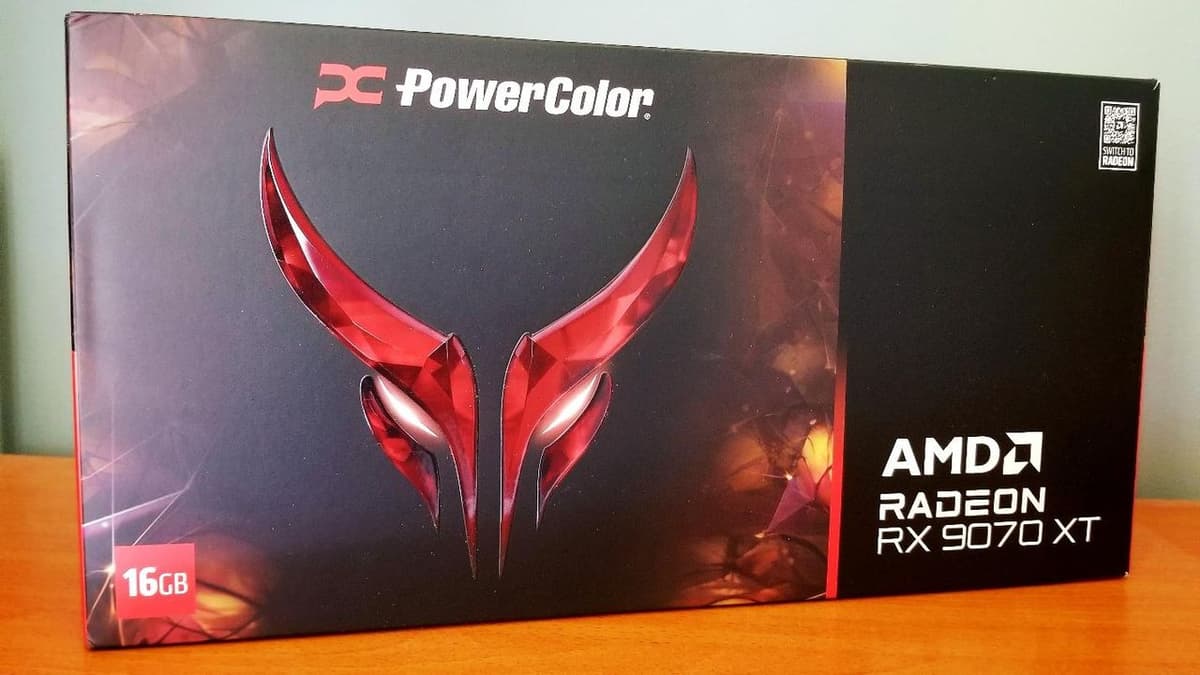
In a controlled test on a PowerColor RX 9070 XT, six games were benchmarked with ASD enabled versus disabled. Load‑time reductions ranged from 56 % in Hogwarts Legacy to a staggering 96 % in Forza Horizon 6, while 1 % low FPS improvements topped 33 % in certain scenarios. Not all titles showed performance gains—games without heavy pre‑compilation phases saw unchanged frame rates—but the consistent load‑time shrinkage underscores ASD’s value for titles with massive shader permutations. The feature currently requires Windows 11 24H2, Xbox Gaming Services 37.113+, and AMD RDNA 3‑class hardware, limiting its immediate reach.
Looking ahead, ASD could become a de‑facto standard if Microsoft expands support beyond the Xbox Store and adds NVIDIA and Intel GPUs. Game developers would gain a reliable pathway to ship fully compiled shader sets, reducing QA cycles tied to stutter mitigation. For consumers, the promise of near‑instantaneous game launches could reshape expectations, pressuring competitors to adopt similar technologies. As the ecosystem matures, ASD may drive a broader shift toward offline shader compilation, aligning PC launch performance with the seamless experiences long enjoyed on consoles.
We tested Advanced Shader Delivery on the RX 9070 XT in six games — up to 95% improvement in load times and 33 percent faster 1% Low FPS
Comments
Want to join the conversation?
Loading comments...