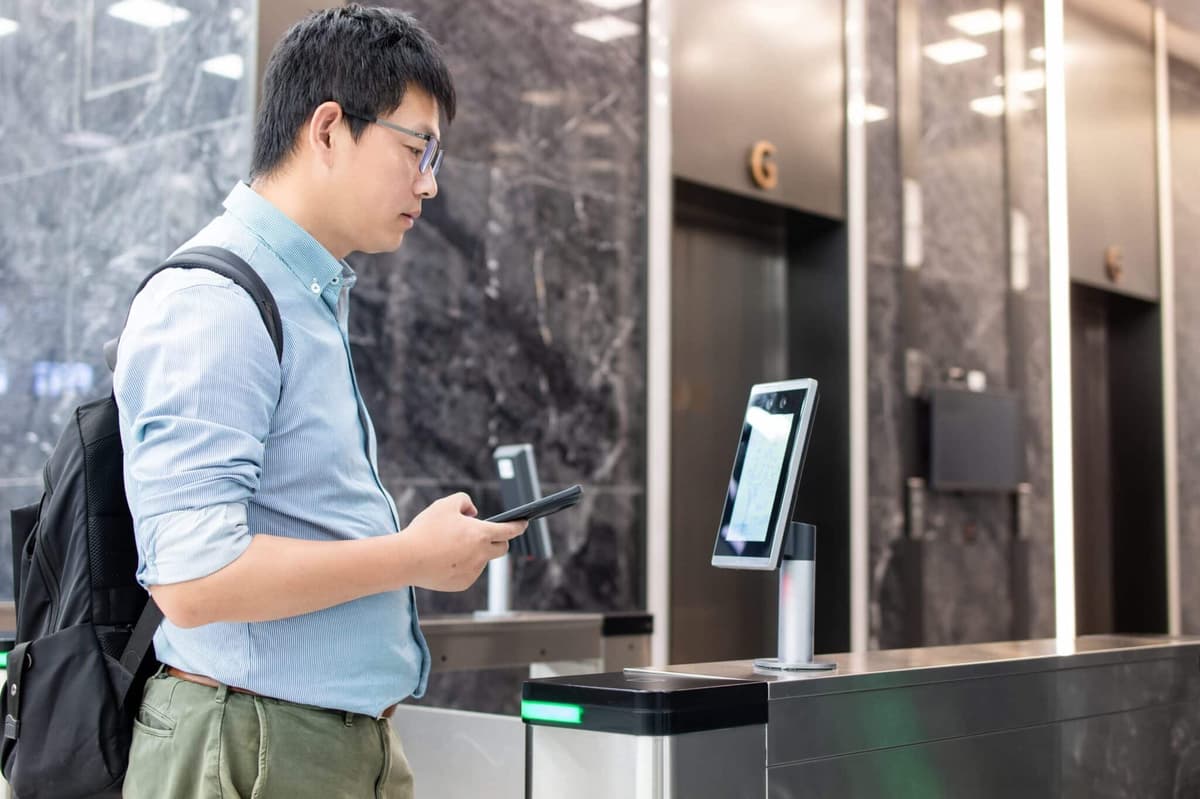
Webinar to Demystify Biometric Physical Access Control Decisions
Why It Matters
The webinar equips security leaders with data‑driven insights to select cost‑effective, compliant biometric solutions, a critical move as the market nears a $10 billion valuation. Early adoption can deliver stronger perimeter defense while reducing reliance on legacy card systems.
Key Takeaways
- •Global biometric access control market projected > $9.8B by 2028
- •Webinar on May 19 will showcase Alcatraz and RealSense demos
- •New report outlines selection criteria for biometric security solutions
- •Cloud‑based phone access expands to small businesses lacking infrastructure
Pulse Analysis
Biometric physical access control is moving from niche installations to mainstream enterprise security. The proliferation of high‑resolution face scanners, tighter privacy legislation and the blending of logical and physical credential systems are accelerating adoption. Analysts at Goode Intelligence project the global market to exceed $9.8 billion by 2028, driven by demand in healthcare, critical infrastructure and commercial real estate. Vendors are responding with integrated solutions that combine fingerprint, facial and behavioral data, positioning biometrics as a cornerstone of zero‑trust strategies. This momentum also encourages public‑sector pilots that showcase interoperability across campuses.
To help decision‑makers navigate this rapid evolution, Biometric Update and Goode Intelligence are hosting a free webinar on May 19. The session will unpack the new market report, highlighting selection criteria, cost‑benefit analysis and compliance considerations. Industry partners Alcatraz and RealSense will demonstrate next‑generation readers and AI‑driven verification, while Paxton’s Solo cloud‑phone solution and the Crayonic Badge illustrate how physical and logical access can converge on a single device. Attendees will leave with actionable insights on aligning technology investments with regulatory mandates.
Enterprises that adopt integrated biometric controls can expect stronger perimeter defense, reduced reliance on legacy cards and lower operational expenses. However, successful rollout requires careful vendor vetting, data‑privacy safeguards and compatibility with existing identity‑management platforms. As the market approaches the $10 billion threshold, competition among hardware manufacturers and cloud service providers is likely to drive price compression and spur innovation in edge‑AI processing. Companies that prioritize scalable, privacy‑by‑design solutions will be best positioned to capture the efficiency gains and risk mitigation promised by the next wave of biometric access technology.
Webinar to demystify biometric physical access control decisions
Comments
Want to join the conversation?
Loading comments...