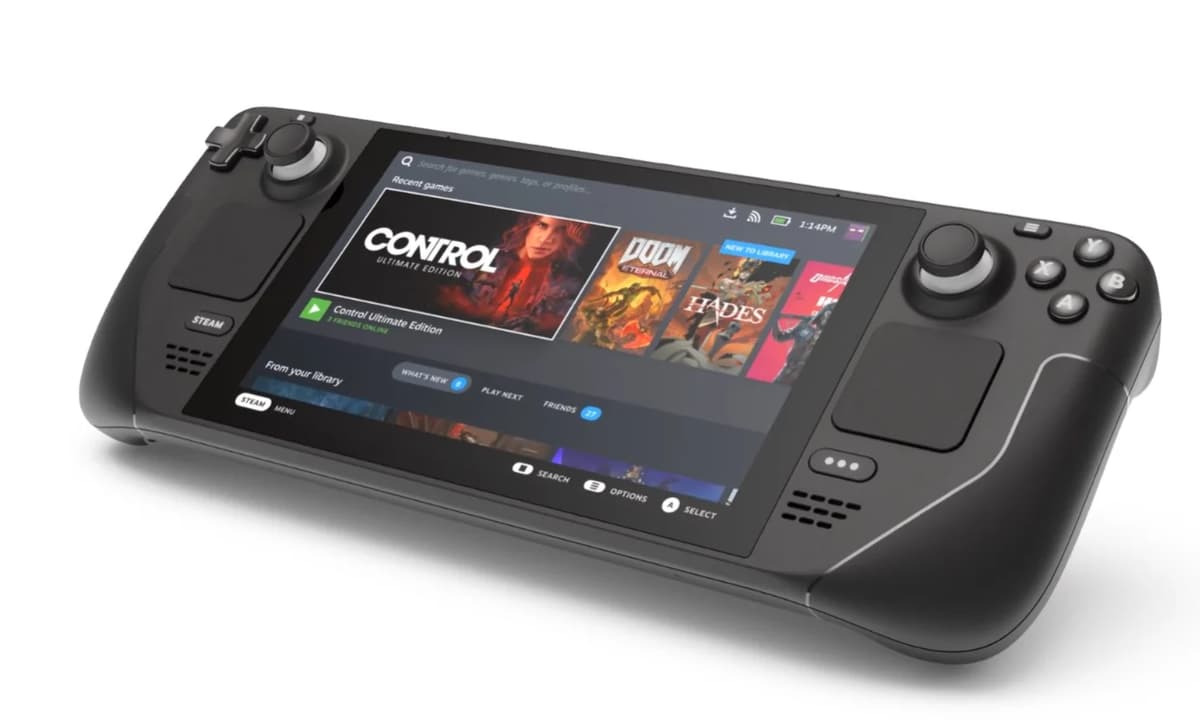
‘We’re Hard at Work on It’: Valve Says Steam Deck 2 Is Still in Development, Acknowledges Ongoing Steam Deck Stock Issues
Companies Mentioned

Valve
Why It Matters
The announcement signals Valve’s continued investment in its handheld ecosystem, while the supply‑chain challenges highlight broader semiconductor shortages that affect gamers and hardware makers alike.
Key Takeaways
- •Steam Deck 2 development continues, no launch date announced
- •Original Steam Deck faces global RAM and storage shortages
- •Valve diversifies component suppliers to mitigate supply chain risks
- •New Deck aims for significant performance jump, not incremental
- •OLED version was an iteration, not a full successor
Pulse Analysis
Valve’s handheld strategy has evolved from the original Steam Controller to the Steam Deck, and now to a forthcoming Steam Deck 2. While the first Deck captured a niche of PC‑gaming enthusiasts seeking portable performance, the lack of a clear successor timeline has left the market eager for news. Valve’s engineers say the next device will build on lessons from earlier hardware, targeting a substantial performance boost that justifies a standalone product rather than a modest refresh. This approach mirrors the company’s broader push to solidify its hardware brand alongside the Steam ecosystem.
Supply‑chain volatility remains the biggest hurdle for Valve’s hardware ambitions. Global shortages of DRAM and NAND flash have throttled production of the current Deck, limiting availability in the United States and many other regions. To counteract this, Valve is deliberately diversifying its component vendors, a tactic that helped it navigate micro‑controller scarcities during the COVID‑19 era. By avoiding single‑source dependencies, Valve hopes to smooth out inventory flows and keep pricing competitive, though the underlying semiconductor crunch still caps how quickly stock can be replenished.
For gamers and investors, the Steam Deck 2 represents both a growth opportunity and a risk indicator. A successful launch with a marked performance edge could expand Valve’s foothold in the handheld market, challenging rivals like the Nintendo Switch and emerging PC‑gaming tablets. Conversely, continued component bottlenecks could delay the product and erode consumer enthusiasm. Analysts will watch Valve’s supplier strategy and any announcements on silicon partners closely, as these factors will shape the handheld’s competitive positioning and revenue potential in the coming years.
‘We’re hard at work on it’: Valve says Steam Deck 2 is still in development, acknowledges ongoing Steam Deck stock issues
Comments
Want to join the conversation?
Loading comments...