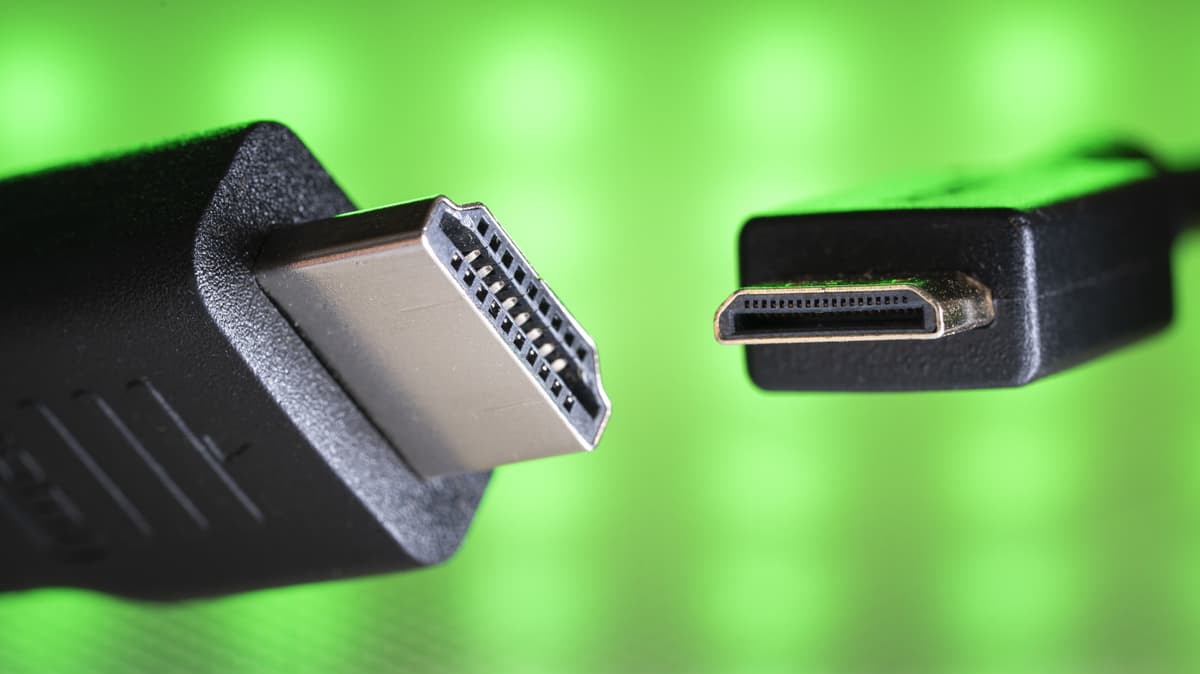
What's The Difference Between HDMI And Mini HDMI?
•March 2, 2026
0
Why It Matters
Understanding the physical differences helps manufacturers select appropriate ports for device design and prevents consumer frustration from mismatched cables. The size distinction also influences durability and accessory ecosystems across the consumer electronics market.
Key Takeaways
- •Standard HDMI size ~14×4 mm, mini ~10×2 mm
- •Both support same resolutions, up to 4K
- •Mini HDMI is more fragile than standard
- •Found on cameras, Raspberry Pi, other compact devices
- •Micro HDMI even smaller, used in action cameras, phones
Pulse Analysis
The HDMI family has become the de‑facto standard for transmitting high‑definition video and audio, yet its physical variants often cause confusion. While the original Type‑A connector dominates televisions, monitors, and gaming consoles, the industry introduced Type‑C mini HDMI to address space constraints in portable gear. This size reduction does not compromise bandwidth; both connectors can carry 4K video, HDR, and multi‑channel audio when paired with the appropriate HDMI version. By preserving the 19‑pin layout, manufacturers ensure backward compatibility across the ecosystem, simplifying supply chains and consumer expectations.
From a technical standpoint, the mini and micro forms retain the same electrical specifications as their full‑size counterpart, but the compact housings introduce mechanical trade‑offs. The reduced shell thickness makes mini HDMI cables more susceptible to wear, especially when frequently plugged and unplugged. Consequently, device designers often reserve mini ports for semi‑permanent connections—such as a camera’s output to a monitor—while providing robust adapters for occasional use. Understanding these durability nuances helps IT professionals and hobbyists select the right accessories, reducing downtime caused by broken connectors.
Looking ahead, the proliferation of USB‑C with DisplayPort Alternate Mode is nudging HDMI toward a secondary role in ultra‑thin devices. Nevertheless, HDMI’s universal licensing and widespread adoption keep it relevant, especially in professional AV installations where reliability and cable length matter. Consumers can future‑proof their setups by investing in high‑quality HDMI 2.1 cables and versatile adapters that bridge Type‑A, Type‑C, and Type‑D ports, ensuring seamless performance across televisions, cameras, and emerging smart devices.
What's The Difference Between HDMI And Mini HDMI?
0
Comments
Want to join the conversation?
Loading comments...