Companies Mentioned
Why It Matters
The curtailment of curved TVs illustrates how consumer ergonomics and aesthetic preferences can overturn bold hardware innovations, reshaping manufacturers' product roadmaps and supply chains. It also signals where display R&D investment is likely to flow—toward immersive monitors rather than household TVs.
Key Takeaways
- •Curved TVs peaked at 4% market share in Q4 2016
- •Viewing angle distortion limited family viewing experiences
- •Reflections and interior design clashes reduced consumer appeal
- •Manufacturers shifted focus to flat panels by 2017
- •Curved technology lives on in premium gaming monitors
Pulse Analysis
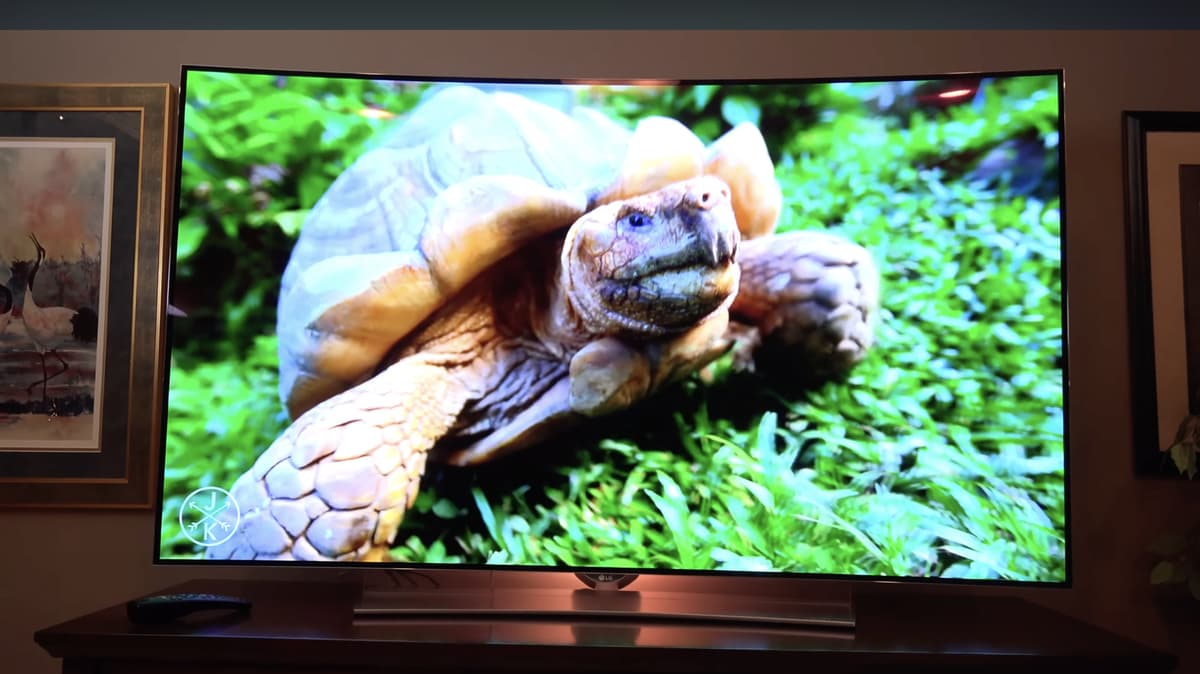
When curved televisions debuted, they were marketed as the next frontier in home entertainment, promising a cinematic depth that flat panels could not match. Early adopters were drawn by the novelty, yet industry data from IHS Technology showed that even at their zenith the segment captured merely 4% of global TV shipments in late 2016. The primary culprit was ergonomics: the curvature only delivered optimal image quality from a single central seat, while peripheral viewers suffered color shift and reduced contrast, a fatal flaw for family‑oriented living‑room setups.
Manufacturers quickly recognized the mismatch between the technology’s constraints and consumer expectations. Samsung, LG, and Sony all announced flat‑screen line‑ups by 2017, reallocating R&D budgets toward OLED and QLED advancements that offered genuine picture‑quality gains without the viewing‑angle penalties. The cost premium of larger curved panels further eroded their appeal, especially as interior‑design trends favored sleek, wall‑mountable silhouettes. This strategic pivot not only streamlined supply chains but also freed resources for emerging formats such as mini‑LED and micro‑LED, which promise higher brightness and better energy efficiency.
While curved TVs faded, the underlying curvature concept found fertile ground in the monitor market. PC users sit close to the screen, making the uniform focal distance of a curved display a boon for productivity and immersion. Gaming, in particular, benefits from the widened field of view and reduced neck strain, driving brands like Samsung, Dell, and Asus to release ultrawide, high‑refresh‑rate models such as the Odyssey G9. This niche adoption underscores a broader lesson: hardware innovations survive when they align with specific use‑cases, even if they falter in broader consumer categories.
Why Did Most Major Brands Stop Making Curved TVs?
Comments
Want to join the conversation?
Loading comments...