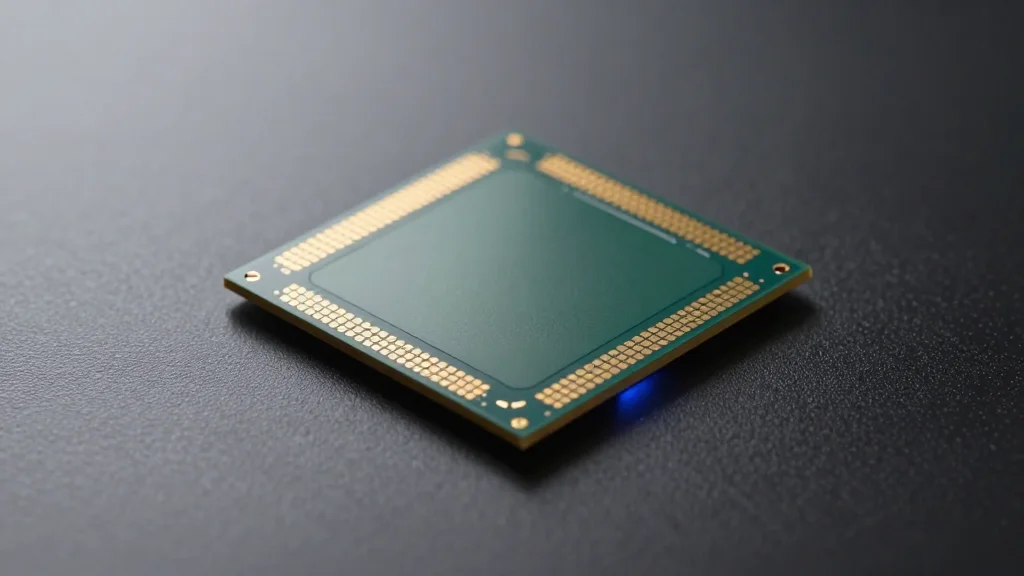
Windows PC Powered by Nvidia Chips Set to Be Unveiled
Companies Mentioned
Why It Matters
By integrating Nvidia’s power‑efficient CPUs, Windows laptops could close the performance‑battery gap with Apple’s Macs and accelerate on‑device AI, reshaping the competitive landscape for PC manufacturers.
Key Takeaways
- •Nvidia CPUs will power Windows PCs from Microsoft and Dell
- •Launch coincides with Apple’s M5‑series MacBook refresh
- •Event scheduled for Computex in Taiwan and Microsoft Build in San Francisco
- •New Windows AI software will enable local on‑device agents
Pulse Analysis
Nvidia’s entry into the x86‑compatible CPU market signals a strategic pivot from its traditional GPU focus toward a broader silicon portfolio. Leveraging its expertise in AI acceleration, Nvidia aims to deliver processors that combine high‑performance cores with energy‑efficient designs, directly targeting the Windows ecosystem that has long been dominated by Intel and AMD. The partnership with Microsoft not only validates Nvidia’s CPU roadmap but also provides a rare opportunity for a GPU‑centric company to influence the architecture of mainstream laptops, potentially redefining performance benchmarks for consumer and enterprise devices.
For OEMs like Dell and Microsoft’s Surface division, Nvidia‑powered laptops promise a compelling value proposition: superior AI capabilities paired with longer battery life, a combination that has been elusive with conventional CPUs. As AI workloads migrate from the cloud to the edge, on‑device processing becomes a differentiator for productivity and privacy. The timing aligns with Apple’s recent rollout of M5‑series chips, intensifying the race for silicon that can handle generative AI tasks without sacrificing mobility. Analysts expect the new hardware to stimulate a modest uptick in premium laptop sales, especially among professionals who require real‑time AI assistance.
Beyond hardware, Microsoft’s simultaneous reveal of Windows AI software underscores a holistic approach to on‑device intelligence. By enabling AI agents to run locally, the company reduces latency, cuts reliance on broadband connectivity, and addresses data‑security concerns. This software‑hardware synergy could accelerate adoption of AI‑enhanced workflows across industries, from design to finance. In the broader context, the collaboration may pressure Intel and AMD to accelerate their own AI‑centric CPU initiatives, fostering a more competitive market that ultimately benefits consumers and enterprise buyers alike.
Windows PC powered by Nvidia chips set to be unveiled
Comments
Want to join the conversation?
Loading comments...