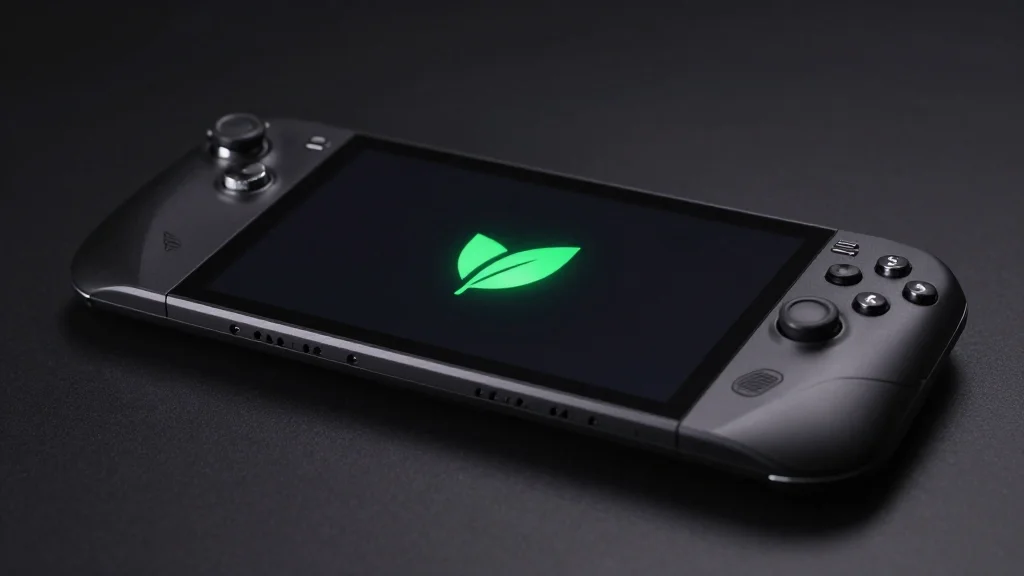
Xbox “Project Green Leaf”: Leak Suggests a New Power-Saving Mode for Windows Handhelds
Key Takeaways
- •Project Green Leaf adds PO and PO+ power‑saving labels.
- •Developers can scale graphics during menus, lobbies, and low‑load scenes.
- •Leak claims up to 30% battery reduction, not officially verified.
- •Builds on Xbox Default Game Profiles already used on ROG Ally.
- •Success depends on developer adoption and cross‑store visibility.
Pulse Analysis
Windows‑based handhelds have closed the performance gap with dedicated consoles, but battery endurance remains a persistent obstacle. Users compare devices like the ASUS ROG Xbox Ally to Valve’s Steam Deck, where battery life often decides purchase. Microsoft’s broader strategy—introducing Xbox Full‑Screen Experience, default game profiles, and developer guidance—signals a shift from hardware‑only solutions to software‑driven efficiency. By embedding power‑saving logic directly into the Xbox Game Development Kit, Microsoft hopes to standardize energy management across a fragmented ecosystem of OEMs and storefronts.
The leaked "Project Green Leaf" proposes two new GDK labels, Power Optimized (PO) and Power Optimized Plus (PO+). Rather than bluntly capping TDP or frame rates, these profiles allow developers to detect low‑critical gameplay moments—menus, lobbies, loading screens—and automatically dial down resolution, frame rate, or shader complexity. In theory, such granular control could shave up to 30% off battery consumption, though the figure remains unverified. By exposing the labels in store listings, Microsoft also aims to give consumers visibility into which titles are handheld‑friendly, echoing console‑style certification but within the Windows PC paradigm.
The success of Green Leaf hinges on developer participation and ecosystem alignment. If major publishers adopt PO/PO+ and expose the tags across Xbox, Steam, Epic, and other launchers, the feature could become a de‑facto standard for portable Windows gaming. Conversely, limited uptake would relegate it to a niche label with minimal impact. Compared with Sony’s hardware‑centric power caps, Microsoft’s approach leverages the flexibility of Windows while confronting the challenge of diverse hardware configurations. Should the initiative roll out as hinted in mid‑2026, it could narrow the battery‑life gap with the Steam Deck and reinforce Microsoft’s ambition to make Windows the premier handheld gaming platform.
Xbox “Project Green Leaf”: Leak suggests a new power-saving mode for Windows handhelds
Comments
Want to join the conversation?