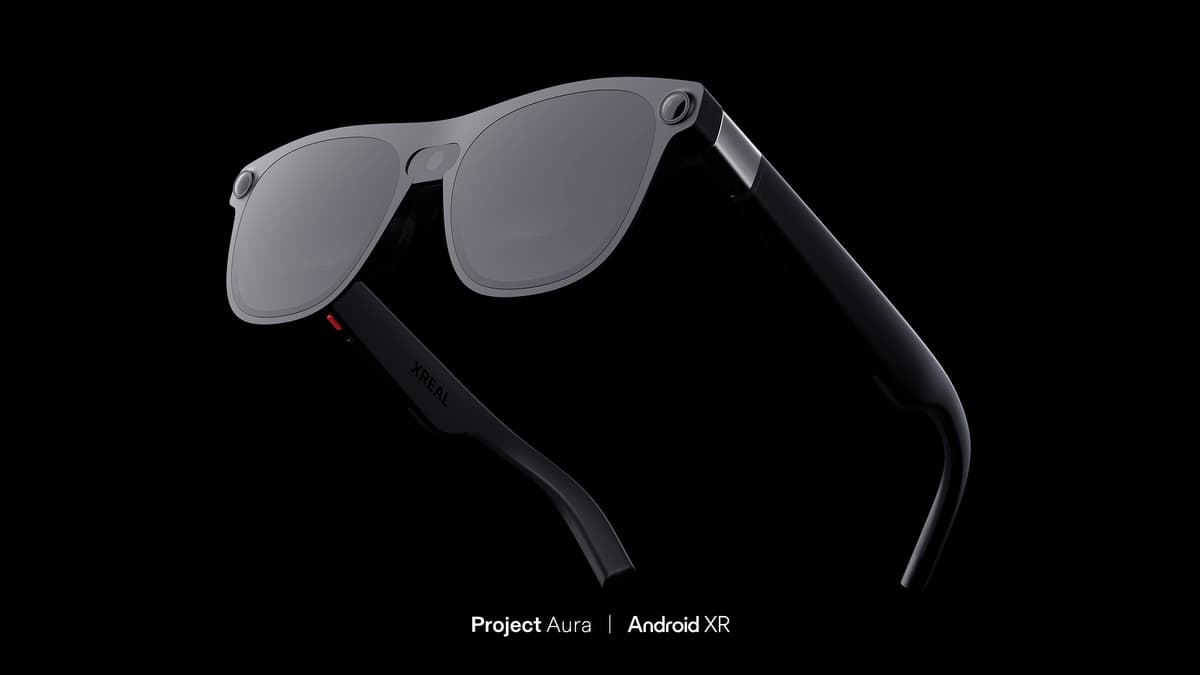
Xreal Unveils Project Aura Android XR Device at Google I/O Showcase
Why It Matters
Project Aura signals a push toward mass‑market spatial computing, giving developers a high‑performance, AI‑enabled Android XR platform ahead of competitors. Its 2026 rollout could accelerate adoption of immersive experiences across consumer and enterprise sectors.
Key Takeaways
- •Project Aura ships globally in 2026 with Snapdragon-powered XR glasses
- •Android XR Developer Catalyst Program offers early hardware kits to select developers
- •Google Maps and YouTube 360 demos showcase spatial navigation on lightweight glasses
- •Gemini AI integration enables real‑time 3D painting and auto‑spatialization
Pulse Analysis
The XR landscape has been fragmented between high‑cost headsets and limited content ecosystems. Xreal’s partnership with Google and Qualcomm consolidates hardware, software, and AI under a single Android XR stack, positioning Project Aura as a potential bridge between early adopters and mainstream users. By embedding Google’s Gemini large‑language model directly into the glasses, Xreal offers on‑device generative capabilities that can interpret voice commands, generate 3‑D assets, and adapt interfaces in real time, a feature set previously reserved for desktop‑grade systems.
Project Aura’s hardware specifications—lightweight optics, a 70‑degree field of view, and a Snapdragon processor—address long‑standing pain points of bulk and latency. The device’s DisplayPort‑in connectivity extends its utility to laptops, enabling developers to prototype hybrid AR/VR workflows without additional peripherals. The Android XR Developer Catalyst Program further lowers entry barriers by providing early‑access kits, SDKs, and AI tools, encouraging a wave of native applications that can exploit both spatial rendering and Gemini‑driven interactivity. This developer‑first approach mirrors the early success of Android’s open ecosystem, promising a richer app marketplace.
For the broader market, Project Aura could reshape expectations for wearable computing. Enterprises eyeing remote assistance, training, and design visualization stand to benefit from a cost‑effective, AI‑augmented headset that integrates seamlessly with existing Android devices. Meanwhile, consumer brands may leverage the platform for immersive gaming, social media, and location‑based services, accelerating the shift from 2D screens to spatial experiences. As competitors like Meta and Apple race to deliver their own next‑gen headsets, Xreal’s early 2026 launch and developer program may give it a decisive foothold in the emerging spatial computing economy.
Xreal unveils Project Aura Android XR device at Google I/O showcase
Comments
Want to join the conversation?
Loading comments...