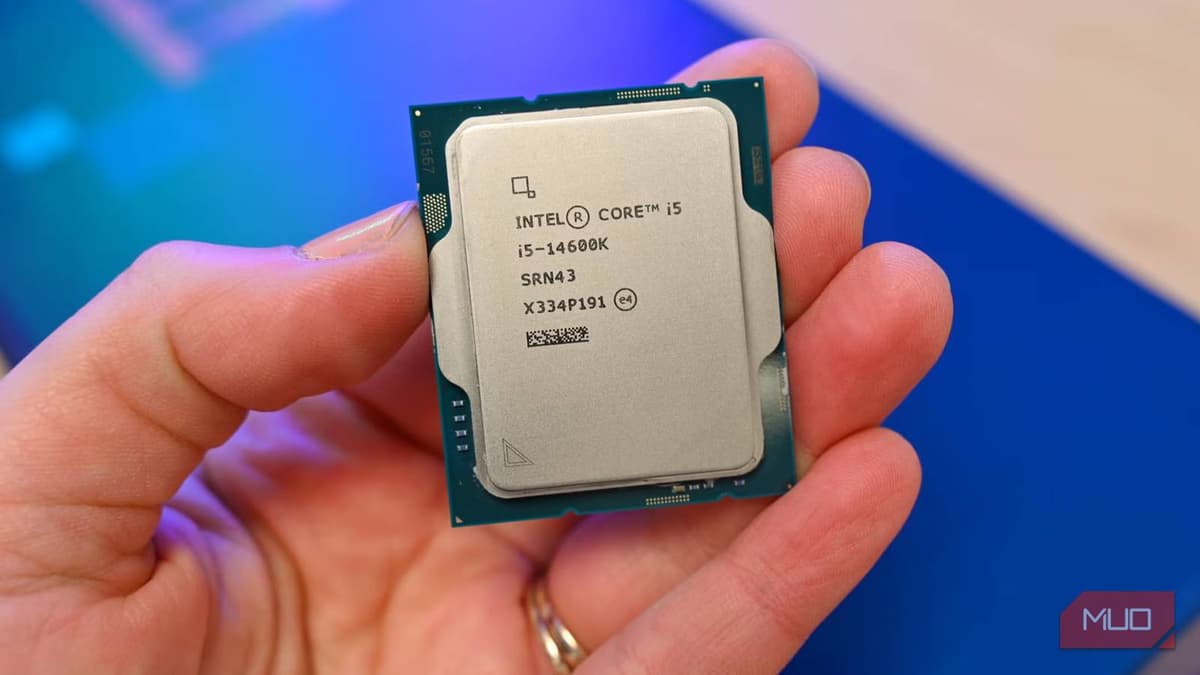
Your New Graphics Card Is Disappointing because of One Hardware Mistake
Companies Mentioned
Why It Matters
A mismatched CPU‑GPU combo squanders expensive hardware and degrades the gaming experience, prompting builders to prioritize balanced system design for optimal performance and value.
Key Takeaways
- •CPU bottlenecks throttle high‑end GPUs like RTX 5090
- •Slow RAM or low cache worsens bottleneck risk
- •FPS caps and lower refresh rates ease CPU load
- •Titles such as Cyberpunk 2077 and Flight Simulator stress CPUs
- •Ryzen 7 7700X offers bottleneck‑free performance at $233
Pulse Analysis
CPU bottlenecks have become a common pain point for gamers upgrading to the latest graphics cards. While GPUs like the RTX 50‑series deliver unprecedented rasterization power, they rely on the processor to feed data fast enough for each frame. When a legacy CPU or low‑latency RAM lags behind, the GPU sits idle, resulting in stutter, low utilization, and disappointing frame rates. This mismatch is especially evident in simulation‑heavy titles—Cyberpunk 2077, Cities: Skylines 2, and Microsoft Flight Simulator 2024—where the CPU must juggle physics, AI, and draw calls before the GPU can render.
Mitigating bottlenecks doesn’t always require a full system overhaul. Software tools like RivaTuner Statistics Server let users cap FPS, preventing the CPU from being overwhelmed during peak moments. Adjusting the monitor’s refresh rate a few hertz below its maximum, lowering draw distance, or reducing crowd density can also free up processor cycles. For builders seeking a hardware fix, a balanced CPU such as AMD’s Ryzen 7 7700X delivers eight cores at 4.5 GHz for roughly $233, providing ample headroom for modern games without the premium price of a Ryzen 9. This mid‑range option bridges the gap between budget constraints and performance demands.
The broader market implication is clear: GPU manufacturers may continue to push raw horsepower, but the real value proposition lies in holistic platform upgrades. As next‑gen GPUs arrive, consumers will increasingly scrutinize CPU performance, RAM speed, and motherboard compatibility to avoid wasted investment. Advising prospective builders to match a high‑end GPU with a capable, contemporary CPU not only safeguards their gaming experience but also extends the lifespan of the entire rig, reinforcing the industry’s shift toward more balanced, cost‑effective configurations.
Your new graphics card is disappointing because of one hardware mistake
Comments
Want to join the conversation?
Loading comments...