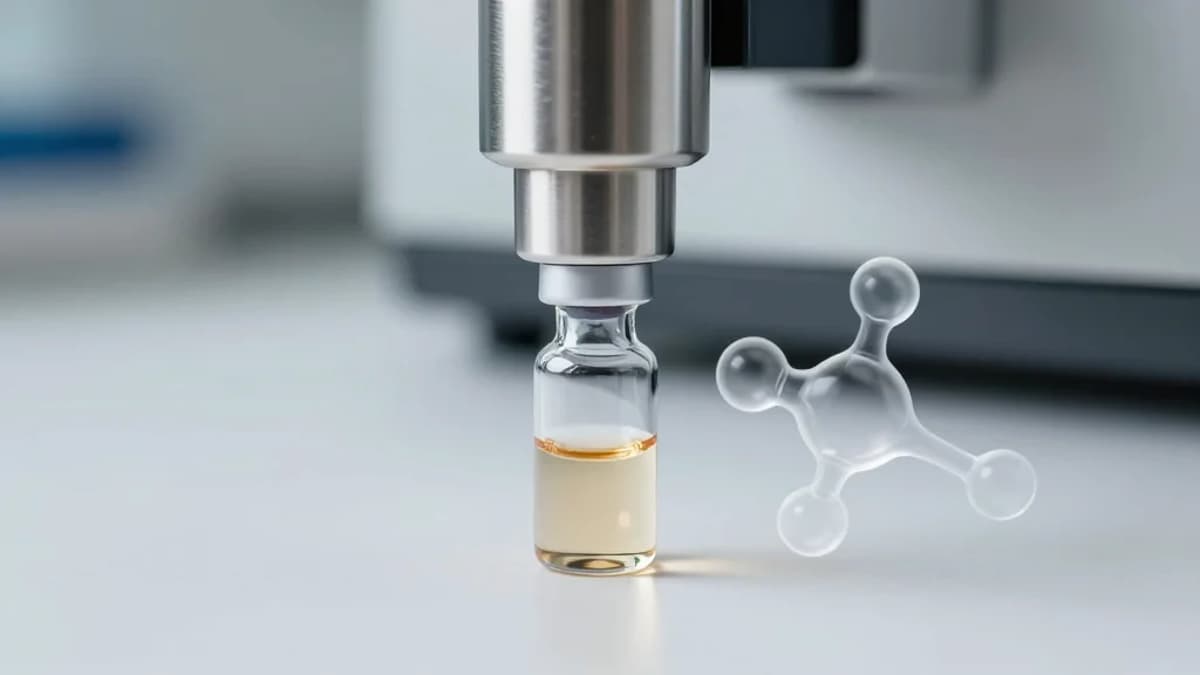
Eurofins Biomnis Launches New Clinical LC‑MS/MS Method for the Detection of Cereulide Toxin in Stool Samples
•March 11, 2026
0
Key Takeaways
- •LC‑MS/MS method quantifies cereulide in stool.
- •Validated per ISO 15189, excluding inter‑method comparison.
- •Addresses recent Bacillus cereus infant formula incidents.
- •Enables rapid results for clinical decision‑making.
- •Supports French pediatric guidelines on toxin testing.
Summary
Eurofins Biomnis has developed and validated a new LC‑MS/MS method to detect and quantify cereulide toxin in human stool samples. The assay meets ISO 15189 requirements, accounting for matrix effects, and delivers turnaround times suitable for routine clinical labs. Cereulide, linked to recent Bacillus cereus infant‑formula outbreaks, currently lacks standardized clinical thresholds, making this tool valuable for diagnosis and outbreak investigation. The launch aligns with French pediatric recommendations for reliable toxin testing.
Pulse Analysis
Cereulide, a heat‑stable cyclic peptide produced by certain Bacillus cereus strains, has emerged as a serious food‑borne hazard after several high‑profile contamination events, notably in infant formula supplies across Europe earlier this year. The toxin’s resistance to cooking and its rapid onset of vomiting and neurological symptoms make timely diagnosis essential, yet clinical laboratories have lacked a standardized assay for direct measurement in biological matrices. Pediatric societies, including the French Society of Pediatrics, have therefore called for reliable analytical tools to guide treatment and epidemiological investigations.
Eurofins Biomnis answered that gap by launching a liquid chromatography‑tandem mass spectrometry (LC‑MS/MS) protocol specifically tuned for cereulide detection in human stool. The method underwent full validation, demonstrating linearity, accuracy, and precision across the clinically relevant concentration range while accounting for complex stool matrix effects. It complies with NF EN ISO 15189 accreditation standards, except for inter‑method comparison on pathological samples, and delivers results within a turnaround time compatible with routine medical biology workflows. The quantitative output equips clinicians with actionable data for patient management and outbreak tracing.
The introduction of a validated cereulide assay reshapes the diagnostic landscape for food‑borne intoxications, offering laboratories a ready‑to‑implement solution that bridges a critical evidence gap. By standardising measurement, Eurofins Biomnis also facilitates data aggregation across hospitals, enabling public health agencies to monitor incidence trends and evaluate the effectiveness of preventive measures. Commercially, the service expands Eurofins’ specialised testing portfolio, reinforcing its position in the high‑value clinical diagnostics market where rapid, reliable toxin detection is increasingly demanded. Future iterations may incorporate serum and food matrix testing, broadening clinical applicability.
Comments
Want to join the conversation?