“Evidence for Puberty Suppression and Gender Affirming Hormones Limited’: British Doctors Group Questions Early Transitions but Also Opposes Blocker Ban
Key Takeaways
- •BMA confirms limited, uncertain evidence for puberty blockers and hormones
- •BMA criticizes 2024 nationwide blocker ban as exceeding Cass recommendations
- •Review highlights osteoporosis and fertility risks in current treatment data
- •Calls for multidisciplinary services and stronger research on gender-affirming care
Pulse Analysis
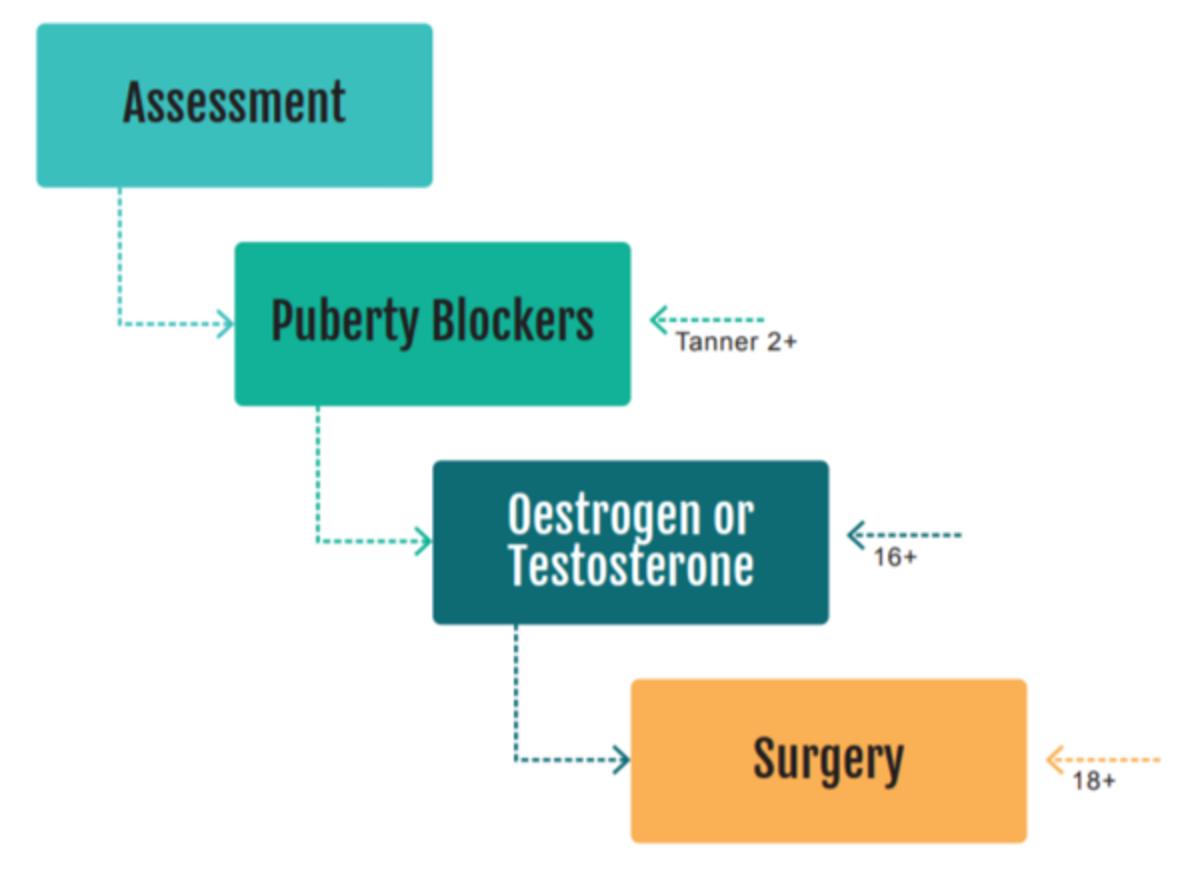
The Cass review, commissioned by the UK government, sparked a heated debate over the provision of gender‑affirming care to adolescents. By assembling a panel of clinicians, researchers, and patient advocates, the review aimed to map the existing evidence base and recommend policy actions. Its findings—acknowledging modest benefits but flagging significant gaps—prompted the Health Secretary to impose a blanket ban on puberty blockers in 2024. The BMA’s latest critique revisits those conclusions, emphasizing that the evidence remains thin and that the ban may have overstepped the review’s cautious guidance.
Clinicians on the front lines have long grappled with the dual pressures of providing timely support to gender‑diverse youth while navigating uncertain medical data. The BMA report underscores documented concerns such as reduced bone density and potential long‑term fertility implications, urging practitioners to adopt a more individualized, multidisciplinary approach. By calling for enhanced data registries and longitudinal studies, the association hopes to equip providers with clearer risk‑benefit profiles, reducing reliance on anecdotal practice and fostering evidence‑driven decision‑making.
Politically, the controversy reflects broader societal tensions around transgender rights and medical autonomy. The BMA’s stance—condemning the blanket ban while still highlighting evidence gaps—offers a nuanced middle ground that could shape future legislative revisions. As the UK health system prepares for a possible policy recalibration, stakeholders anticipate increased funding for research and the development of specialized clinics. For patients and families, the outcome will determine access to potentially life‑changing treatments and the degree of clinical oversight they receive.
“Evidence for puberty suppression and gender affirming hormones limited’: British doctors group questions early transitions but also opposes blocker ban
Comments
Want to join the conversation?