
Why It Matters
The rollout demonstrates how academic institutions are accelerating adoption of robotic surgery, shaping the next generation of surgeons and driving market demand for precision‑focused medical technology.
Key Takeaways
- •Toumai robot deployed at Orsi Academy for first time
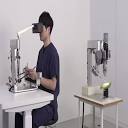
- •Surgeon in blue scrubs operates robotic console
- •Deployment highlights growing surgical AI adoption
- •Orsi Academy expands training with advanced robotics
- •Potential to improve precision and patient outcomes
Pulse Analysis
The surgical robotics market has surged past $12 billion, propelled by advances in AI, imaging, and haptic feedback. Vendors such as Intuitive, Medtronic, and newer entrants like Toumai are racing to deliver platforms that promise greater accuracy, shorter procedures, and reduced surgeon fatigue. As hospitals grapple with cost pressures, academic centers become proving grounds where technology is vetted, refined, and taught to future clinicians. This ecosystem fuels rapid iteration, pushing the industry toward more intuitive interfaces and data‑driven decision support.
Orsi Academy’s adoption of the Toumai system represents a strategic shift toward immersive, robot‑assisted training. By placing a surgeon in blue scrubs at the console, the academy showcases a realistic operating room scenario that bridges theory and practice. Students gain hands‑on experience with real‑time imaging, instrument articulation, and automated safety checks, accelerating skill acquisition compared with traditional cadaver labs. The partnership also provides Toumai with valuable clinical feedback, informing software updates and hardware ergonomics before broader commercial rollout.
The broader implication for the healthcare sector is a tightening feedback loop between education, technology, and patient care. As more institutions integrate robotic platforms, manufacturers can leverage aggregated performance data to refine algorithms, improve outcomes, and justify premium pricing. Competitive pressure will likely drive cost reductions and spur innovation in modular, cloud‑connected systems. For investors and policymakers, the trend underscores the importance of supporting curricula that embed cutting‑edge tools, ensuring a workforce ready to harness the full potential of next‑generation surgical robotics.
Flickstop
0
Comments
Want to join the conversation?
Loading comments...