Key Takeaways
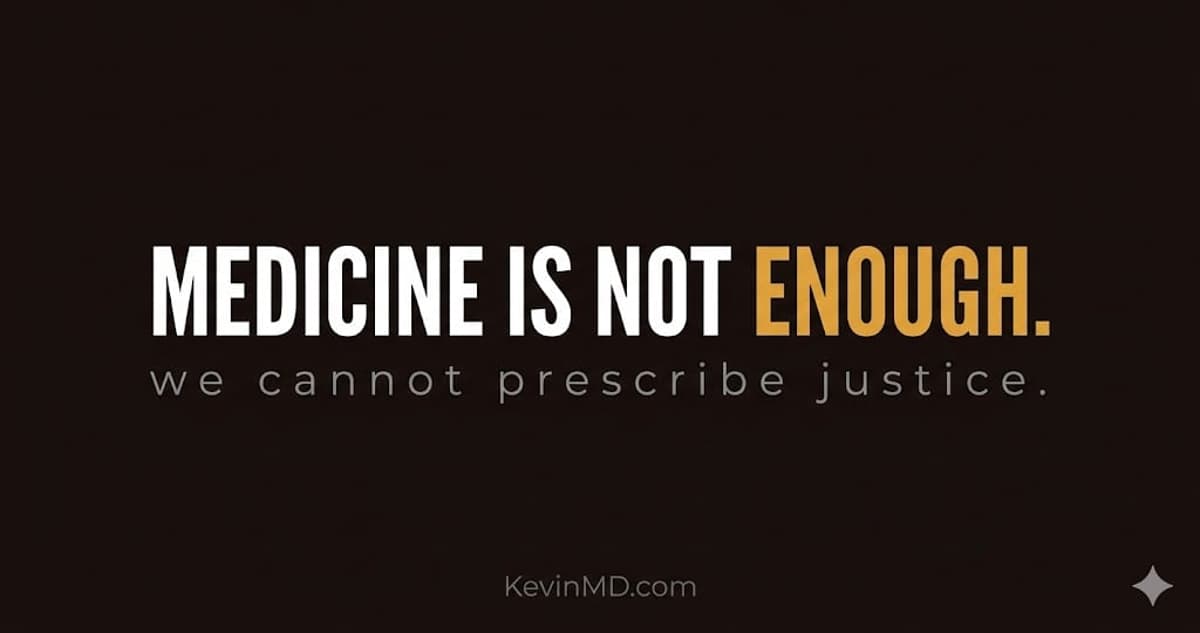
- •Civic engagement is framed as a professional duty for clinicians
- •Lower voter turnout correlates with poorer health outcomes
- •Initiative "1,000 Caring Voices" targets 1,000 health‑care champions for 2026
- •Primary care can boost self‑efficacy and collective action in communities
- •Nonpartisan voter registration in clinics bridges health and policy gaps
Pulse Analysis
The intersection of health care and civic participation is gaining traction as policymakers recognize that social determinants—housing, transportation, and economic stability—drive a majority of health outcomes. Academic studies, including a recent Nature Medicine commentary, demonstrate a clear correlation between low voter turnout and adverse health metrics, underscoring the need for clinicians to view civic engagement as an extension of patient advocacy. By stepping into policy arenas, physicians can help shape legislation that directly impacts access to care, insurance coverage, and public health funding, thereby amplifying the impact of clinical interventions.
Primary care practices are uniquely positioned to serve as hubs for community empowerment. Leveraging trusted patient‑provider relationships, clinics can facilitate voter registration drives, host town‑hall meetings, and disseminate clear, nonpartisan information about upcoming ballots. Initiatives such as the Civic Health Alliance’s "1,000 Caring Voices" exemplify how organized networks of health‑care workers can mobilize a sizable voting bloc, potentially swaying the 2026 midterm outcomes on issues ranging from reproductive rights to workforce protections. This grassroots approach not only raises civic participation rates but also reinforces the therapeutic alliance by addressing patients' broader life contexts.
To institutionalize this paradigm shift, health systems must embed civic engagement into operational workflows. This could involve allocating staff time for community outreach, integrating policy education into medical curricula, and establishing partnerships with local advocacy groups. By formalizing nonpartisan voter registration and policy literacy programs within clinical settings, organizations can create sustainable pathways for clinicians to influence public health determinants. As the 2026 elections approach, such systemic support will be critical for translating professional responsibility into measurable community health improvements.
How civic engagement empowers health care workers
Comments
Want to join the conversation?