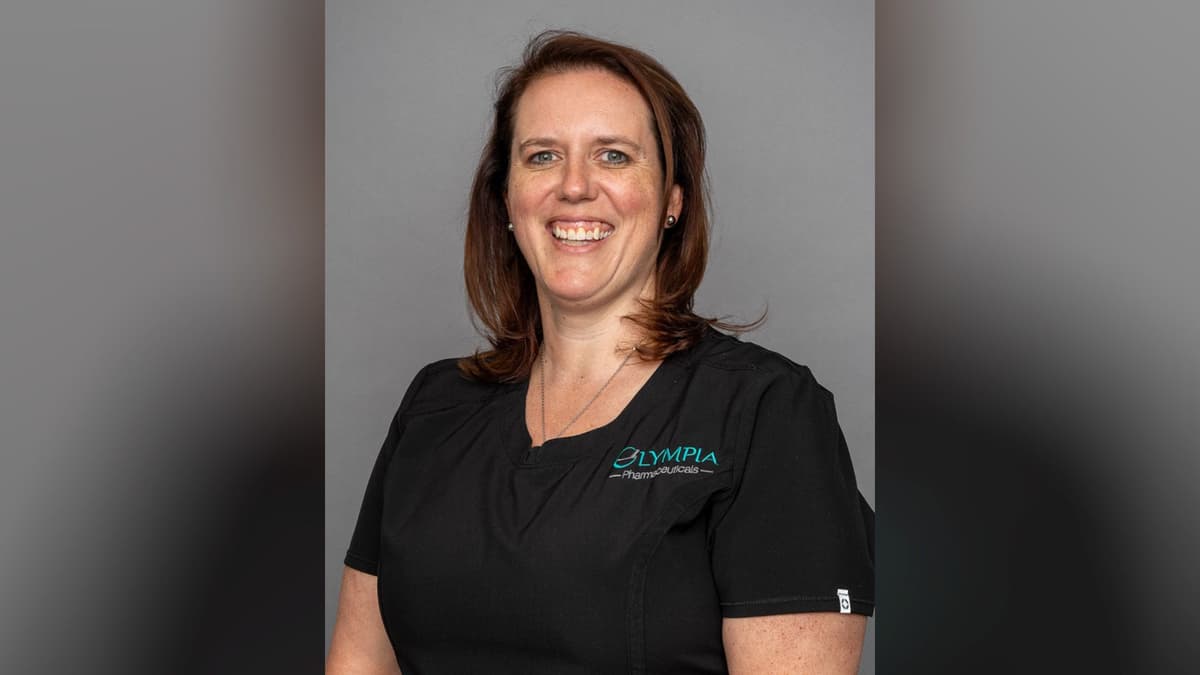
How Compounding Has Become a Permanent Bridge for Healthcare Access: Q&A with Dr. Nicole Snow
Key Takeaways
- •Compounding tailors doses for pediatric, geriatric, renal-impaired patients
- •Alternative dosage forms improve adherence for swallowing or absorption issues
- •Custom formulations fill gaps during drug shortages or discontinued products
- •Bioidentical hormone therapy gains precision through compounded preparations
- •IV nutrition blends vitamins and amino acids for targeted metabolic support
Pulse Analysis
Compounding has moved from a niche service to a strategic component of modern healthcare, offering clinicians a way to bypass the one‑size‑fits‑all constraints of mass‑produced drugs. The recent Eli Lilly alert over compounded tirzepatide underscores heightened regulatory scrutiny, but also validates the clinical relevance of custom formulations. Pharmacists now operate under tighter quality standards, balancing innovation with safety to meet a growing demand for patient‑specific solutions.
Clinically, compounding delivers measurable benefits across several high‑impact areas. In hormone replacement, bioidentical preparations can be fine‑tuned to an individual’s hormonal profile, improving symptom control and satisfaction. IV nutrition compounds allow precise blends of vitamins, minerals and amino acids, targeting metabolic deficiencies and recovery needs. Weight‑management protocols benefit from tailored dosing and combination therapies that enhance adherence while minimizing side effects. By eliminating allergens and offering liquid, transdermal or suppository forms, compounding expands access for patients with swallowing difficulties or sensitivities, directly influencing therapeutic outcomes.
From a business perspective, the compounding market is projected to grow at double‑digit rates, driven by an aging population, increasing chronic‑disease prevalence, and frequent drug shortages. Pharmacy chains and independent compounding labs are investing in advanced sterile‑manufacturing suites and digital prescription platforms to scale operations while maintaining USP <797> compliance. However, the sector must navigate challenges such as consistent quality control, insurance reimbursement hurdles, and evolving FDA guidance. Companies that successfully integrate robust analytics, transparent sourcing, and collaborative prescriber networks will capture the most value as personalized medicine becomes a mainstream expectation.
How Compounding Has Become a Permanent Bridge for Healthcare Access: Q&A with Dr. Nicole Snow
Comments
Want to join the conversation?