How Integrated Motion Is Changing the Way Medical Devices Are Built
Key Takeaways
- •Integrated motion subsystems combine motor, gearhead, feedback, controller.
- •Reduces part count, speeding up procurement and testing.
- •Improves performance via co‑design of mechanical and control elements.
- •Lowers total cost of ownership through fewer failures and easier support.
- •Enables global OEMs to meet regional regulatory and service demands.
Pulse Analysis
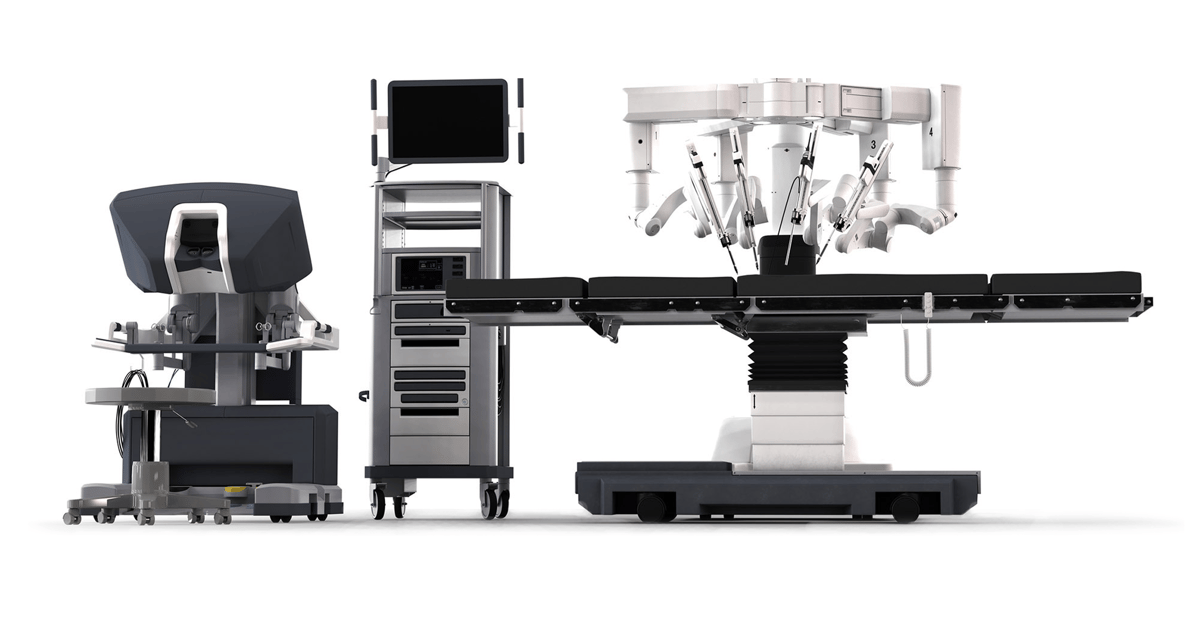
The push toward integrated motion subsystems reflects a broader industry response to escalating device complexity and tighter development timelines. As surgical robots and automated lab instruments demand higher torque, precision, and miniaturization, traditional component‑by‑component sourcing creates bottlenecks in design validation and supply‑chain coordination. Consolidating the motor, gearhead, sensor and controller into a single, engineered package lets OEMs bypass iterative compatibility testing, freeing engineering resources to focus on higher‑level functionality such as user interfaces and clinical workflow integration.
From a technical standpoint, integration unlocks performance gains that isolated parts cannot achieve. When a single supplier designs the full motion stack, they can fine‑tune gear ratios, motor winding, and feedback bandwidth to match the exact dynamic profile of the application. This co‑optimization reduces energy loss, improves thermal management, and enables tighter control loops, translating into longer battery life for handheld tools and lighter, more ergonomic designs. Fewer mechanical interfaces also mean reduced assembly steps, lower failure rates, and simplified root‑cause analysis, all of which drive down the total cost of ownership for high‑volume medical devices.
Strategically, the model reshapes the OEM‑supplier relationship. Companies with vertically integrated motion portfolios, such as Regal Rexnord, offer not only a product but a global engineering partnership capable of navigating regional regulatory nuances and providing localized support. This depth of service mitigates risk in a fragmented supply chain and aligns with the growing need for rapid, cross‑border product launches. As the medical device market continues to prioritize speed, reliability, and cost efficiency, integrated motion subsystems are poised to become a standard design choice rather than a niche solution.
How integrated motion is changing the way medical devices are built
Comments
Want to join the conversation?