
Number of the Day - 230 Units Preordered
•February 13, 2026
0
Why It Matters
The expanding adoption validates the economic viability of surgical robotics and boosts MicroPort’s revenue pipeline, while HKFRS compliance assures investors of transparent earnings. This momentum positions the firm as a key player in the rapidly growing global robotic surgery market.
Key Takeaways
- •100+ global installations demonstrate proven reliability.
- •160+ orders reflect strong demand in China.
- •230 units preordered indicate accelerating sales pipeline.
- •Deployments span over 40 countries, expanding global footprint.
- •HKFRS compliance enables transparent revenue recognition.
Pulse Analysis
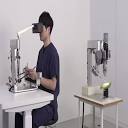
The global market for robotic surgical systems is accelerating, driven by hospitals seeking precision, reduced recovery times, and cost efficiencies. MicroPort MedBot’s Toumai robot, a compact, AI‑enabled platform, has now crossed the 100‑installation threshold, a milestone that signals maturity beyond early‑stage pilots. With more than 160 confirmed orders and 230 units preordered, the device is rapidly filling operating rooms across China’s leading medical centers and a growing network of facilities in over 40 countries. This deployment scale not only validates the technology’s reliability but also demonstrates that mid‑size manufacturers can compete with established Western incumbents.
From a financial perspective, Toumai’s surge in installations dovetails with MicroPort’s adherence to Hong Kong Financial Reporting Standards (HKFRS), allowing the company to recognize revenue as contracts are fulfilled and equipment is delivered. Such compliance provides investors with clear, timely visibility into earnings, reducing the accounting opacity that has plagued some med‑tech peers. The pre‑order backlog of 230 units translates into a multi‑year revenue runway, strengthening the firm’s balance sheet and supporting further R&D investment. Transparent reporting also enhances the firm’s credibility in capital markets, potentially lowering financing costs.
Looking ahead, Toumai’s expanding footprint places MicroPort in direct competition with giants like Intuitive Surgical and Medtronic, yet its focus on affordability and integration with existing hospital IT ecosystems offers a differentiated value proposition. Continued adoption will likely hinge on regulatory approvals, training programs, and evidence of clinical outcomes that justify cost. If the company can sustain its order momentum while navigating these hurdles, it could capture a larger share of the projected $12 billion robotic surgery market by 2030. Strategic partnerships and localized manufacturing may further accelerate global reach.
Number of the day - 230 units preordered
0
Comments
Want to join the conversation?
Loading comments...