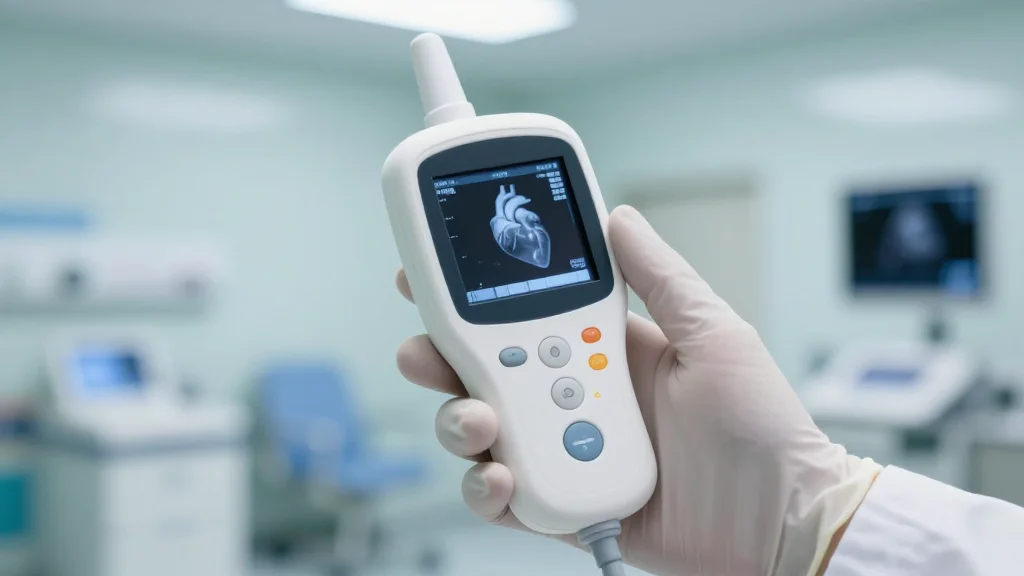
Point-of-Care Ultrasound Transforms Emergency Medicine
Key Takeaways
- •POCUS cuts diagnosis time, speeding treatment in emergency settings
- •Bedside ultrasound boosts physician engagement, reducing burnout risk
- •Real-time imaging improves patient satisfaction and trust during visits
- •Studies show POCUS lowers mortality in critically ill and injured patients
Pulse Analysis
Point‑of‑care ultrasound has moved from a niche skill to a standard component of emergency department curricula over the past decade. Early adopters, often senior physicians seeking to revitalize their practice, discovered that a handheld probe could replace a cascade of laboratory and radiology orders. Training programs now embed POCUS modules into residency, and manufacturers have responded with portable, AI‑assisted devices that require minimal setup. This rapid diffusion is driven by both clinical need—speedy assessment of trauma, cardiac tamponade, or ectopic pregnancy—and the economic incentive of reducing downstream imaging costs.
The bedside nature of POCUS reshapes the physician‑patient interaction. Real‑time visualization allows clinicians to explain pathology as they scan, fostering transparency and trust that traditional imaging cannot match. Operationally, emergency physicians can confirm or rule out conditions within minutes, cutting average diagnostic time by 30‑40 percent according to recent multicenter studies. Faster triage translates into shorter length‑of‑stay and higher throughput, essential metrics for overcrowded EDs. Moreover, the hands‑on diagnostic role combats the monotony of order‑and‑wait routines, a documented factor in the specialty’s burnout epidemic.
Looking ahead, integration of artificial intelligence and cloud‑based image repositories promises to amplify POCUS benefits. AI algorithms can flag abnormal findings instantly, supporting less‑experienced clinicians and standardizing quality across shifts. Health systems are beginning to reimburse bedside ultrasound at parity with conventional imaging, encouraging broader adoption. As payer policies evolve and evidence mounts linking POCUS to reduced mortality in trauma and sepsis, emergency departments that fully embed the technology will likely see competitive advantages in both patient outcomes and staff retention.
Point-of-care ultrasound transforms emergency medicine
Comments
Want to join the conversation?