
Rheumatology For Physiotherapists: A Guide For Students And New Grads
Key Takeaways
- •Rheumatology defined as autoimmune vs. autoinflammatory for physiotherapy context
- •Screening questions: morning stiffness, night pain, NSAID response
- •Identify “masqueraders” like Achilles pain that may be inflammatory
- •Avoid overly gentle treatment; it can mask disease progression
- •Manage patient expectations during rheumatology referrals and red‑flag alerts
Pulse Analysis
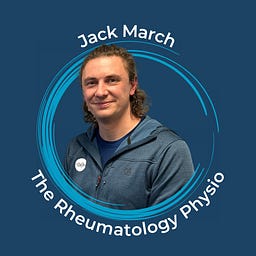
Rheumatologic diseases, from rheumatoid arthritis to psoriatic arthritis, affect millions of Americans and often present with musculoskeletal pain that mimics benign injuries. Yet many physiotherapy curricula skim over the autoimmune mechanisms that drive these conditions, leaving new clinicians uncertain when a simple sprain might signal systemic inflammation. Recent data show delayed referrals increase healthcare costs by up to 30 percent, underscoring the need for frontline therapists to develop a high index of suspicion. The podcast hosted by Jack March fills this gap by translating complex immunology into actionable clinical cues.
The video’s core teaching revolves around three practical tools: targeted screening questions, recognition of “masquerader” symptoms, and adjusted clinical reasoning for inflammatory versus mechanical pathology. Morning stiffness lasting longer than thirty minutes, night‑time pain that awakens patients, and a rapid response—or lack thereof—to NSAIDs emerge as red flags. By contrasting Achilles tendon pain that worsens with activity against inflammatory enthesitis, therapists can triage patients more accurately. The discussion also warns against overly gentle interventions that may conceal disease activity, advocating for evidence‑based loading protocols tailored to rheumatologic patients.
Integrating these insights reshapes patient pathways, shortening the time to specialist referral and aligning treatment plans with disease activity. For educational institutions, the content offers a template to embed rheumatology modules into entry‑level physiotherapy programs. Clinicians seeking deeper mastery can explore the companion "Rheum Room" video, which expands on comorbidities like fibromyalgia and Ehlers‑Danlos syndrome. As the healthcare system pivots toward interdisciplinary, value‑based care, physiotherapists equipped with rheumatology expertise will play a pivotal role in early detection and holistic management of chronic inflammatory disorders.
Rheumatology For Physiotherapists: A Guide For Students And New Grads
Comments
Want to join the conversation?