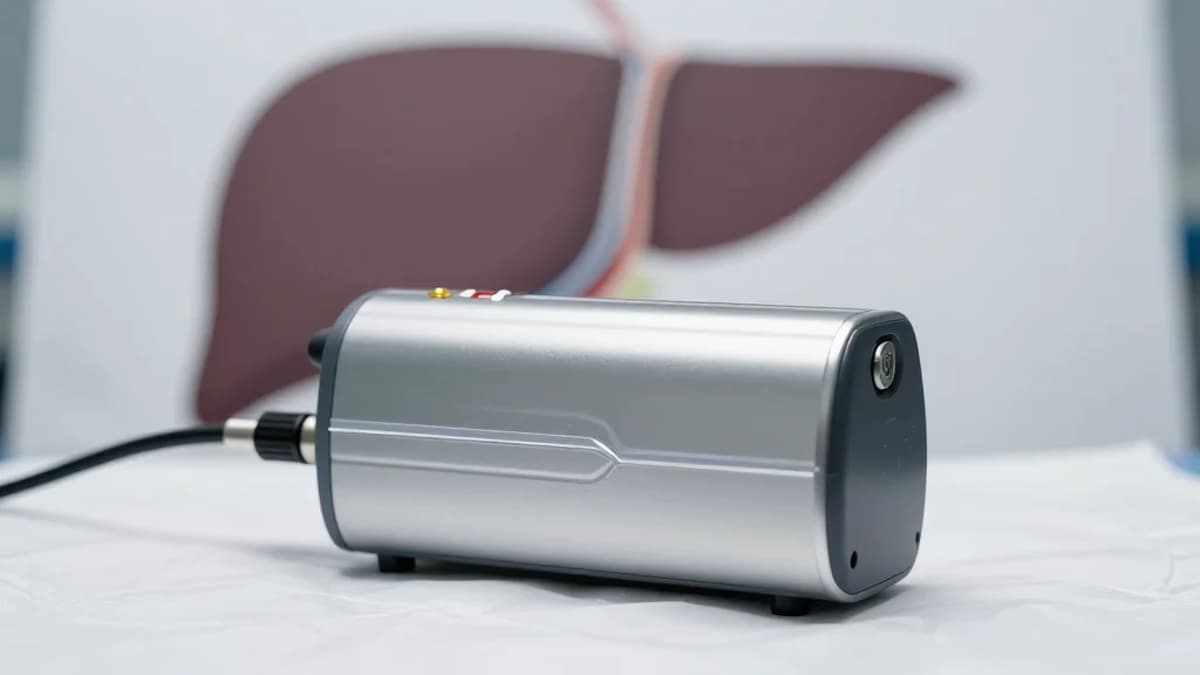
Sequana Medical Reports Strong U.S. Progress of Alfapump System
•March 4, 2026
0
Key Takeaways
- •Five US centers have implanted alfapump since Q4 2025
- •Mount Sinai and Penn performed multiple patient implants
- •Company targets 90 liver transplant centers with specialty salesforce
- •Alfapump reduces paracentesis frequency, lowering hospital visits
- •Approval process underway for 20 additional leading institutions
Summary
Sequana Medical reported that five leading U.S. hospitals have implanted its alfapump System since its Q4 2025 launch, including Mount Sinai, University of Pennsylvania, Dartmouth Hitchcock, and University Medical Center of Southern Nevada. The company is actively pursuing approvals to expand implants to an additional 20 institutions. Alfapump is the only FDA‑approved active implantable device for recurrent or refractory ascites, automatically moving fluid to the bladder and reducing reliance on paracentesis. Sequana’s commercial strategy targets the 90 U.S. liver transplant centers that perform the majority of transplants.
Pulse Analysis
Ascites, a painful fluid buildup common in advanced liver disease, has long been managed with therapeutic paracentesis—an invasive, repeat procedure that burdens patients and hospitals alike. Alfapump, the first active implantable device cleared by the FDA for this indication, continuously transfers ascitic fluid to the bladder, eliminating the need for frequent needle drainage. By automating fluid removal, the technology addresses a critical gap in chronic care, offering a more sustainable solution for patients who otherwise face weekly or monthly hospital visits.
Sequana Medical’s recent commercial milestones underscore a strategic push into the U.S. market. Implants at five premier centers, including two of the nation’s top liver transplant programs, signal strong clinical endorsement. The firm’s specialty salesforce is zeroing in on the 90 transplant centers responsible for over 90% of liver transplants, a logical focus given the high prevalence of refractory ascites in this patient cohort. Simultaneously, Sequana is navigating the hospital approval pathway to add another 20 leading institutions, expanding its footprint and creating a network effect that can accelerate payer acceptance and reimbursement.
The broader implications extend beyond individual patient outcomes. Reducing reliance on paracentesis translates into fewer emergency department visits, lower procedural costs, and diminished strain on inpatient resources. For healthcare systems grappling with rising chronic disease expenditures, alfapump presents a cost‑effective alternative that aligns with value‑based care objectives. As adoption widens, the device could set a new standard for ascites management, prompting further innovation in implantable fluid‑control technologies and reshaping treatment algorithms across hepatology and heart‑failure specialties.
Comments
Want to join the conversation?