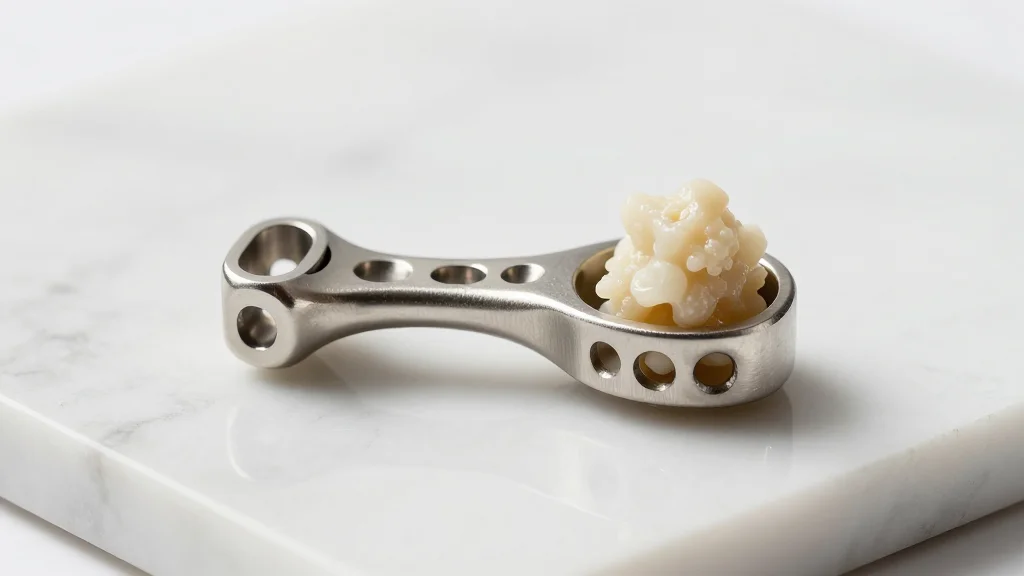
Spinal Elements Wins FDA Clearance for Ventana A ALIF System, Expands 3D-Printed Spine Portfolio
Key Takeaways
- •FDA clears Spinal Elements' Ventana A ALIF system.
- •First U.S. cases completed, showing early surgeon adoption.
- •Hinged 3D‑printed titanium design maximizes graft volume and load sharing.
- •Limited market release expands Ventana portfolio across spine surgery techniques.
- •Competes with Medtronic, Stryker, Globus in 3D‑printed interbody market.
Pulse Analysis
The FDA’s 510(k) clearance of Spinal Elements’ Ventana A ALIF system marks a pivotal step for the company’s 3D‑printed spinal implant strategy. By meeting the agency’s safety and efficacy standards, the device joins a growing cohort of additive‑manufactured solutions that promise customized geometry, porous lattices, and lighter weight compared with traditional machined cages. For hospitals and surgeons, the clearance removes a regulatory hurdle, allowing rapid integration of the hinged, low‑density titanium cage into existing ALIF workflows.
Ventana A’s engineering focuses on two clinical pain points: graft containment and subsidence. Its hinged architecture creates a larger graft window, enabling surgeons to pack more autograft or allograft material while keeping it securely in place during insertion. Simultaneously, the reduced titanium density distributes load more evenly across the vertebral endplates, potentially lowering the risk of cage sinking into bone—a common cause of revision surgery. Early physician feedback highlights smoother insertion, better intra‑operative visualization, and consistent alignment restoration, all of which can shorten operative time and reduce anesthesia exposure.
The spine‑fusion market is crowded with giants such as Medtronic, Stryker, and Globus Medical, each investing heavily in 3D‑printed titanium cages and expandable designs. Spinal Elements’ entry with a hinged, graft‑maximizing cage adds a differentiated option that may appeal to surgeons seeking both structural stability and enhanced fusion biology. As insurers increasingly scrutinize cost‑effectiveness, devices that promise lower revision rates and faster patient recovery could capture a larger share of the multi‑billion‑dollar spinal fusion market. Continued innovation and broader market rollout will determine whether Ventana A can shift the competitive balance toward smaller, technology‑focused firms.
Spinal Elements Wins FDA Clearance for Ventana A ALIF System, Expands 3D-Printed Spine Portfolio
Comments
Want to join the conversation?