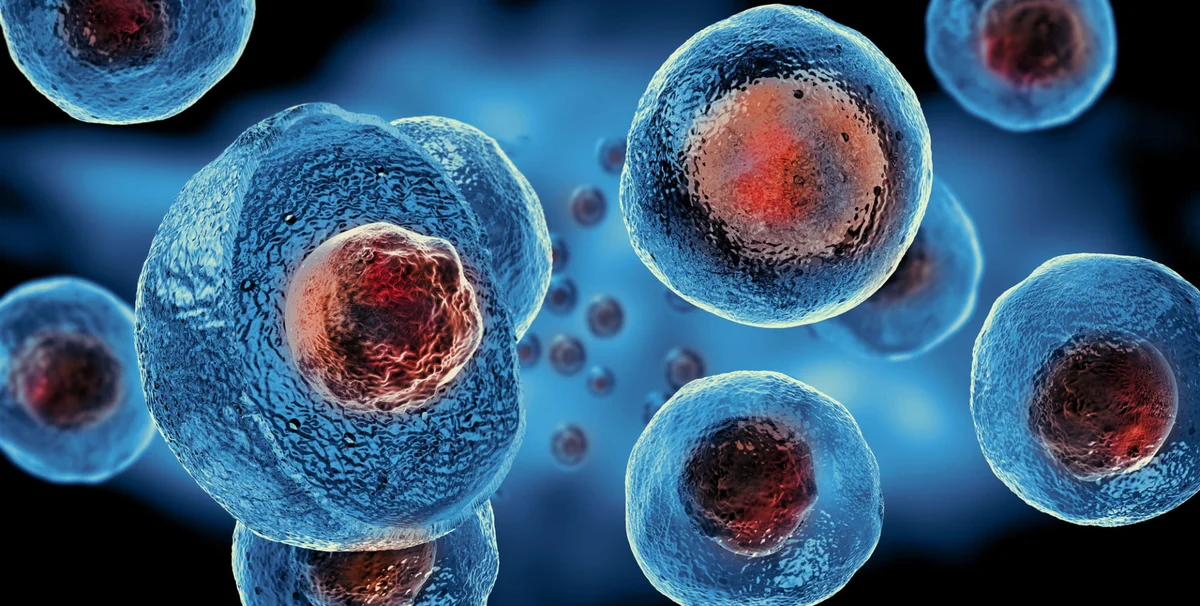
Stem Cell Therapy for Autism

Key Takeaways
- •No proven mechanism for cord‑blood stem cells to affect autism
- •Duke Phase II trial (180 kids) found no benefit over placebo
- •Low‑quality studies are inconclusive; overall evidence shows ineffectiveness
- •Clinics charge $10,000‑$50,000, exploiting desperate parents
Pulse Analysis
Stem‑cell hype has become a lucrative niche, especially for families seeking a breakthrough for autism spectrum disorder. Cord‑blood banks and boutique clinics market intravenous infusions as cutting‑edge medicine, often pricing each course between $10,000 and $50,000. While legitimate research on stem cells continues in oncology and regenerative medicine, the leap to autism treatment rests on speculative claims—immune modulation, mitochondrial support, or enhanced blood flow—none of which have been demonstrated to cross the blood‑brain barrier or alter core neurodevelopmental pathways.
The scientific record paints a stark picture. A systematic review of early‑phase trials flagged small sample sizes, inconsistent dosing, and short follow‑up, rendering any efficacy signals unreliable. The most robust evidence comes from Duke Health’s double‑blind, placebo‑controlled Phase II trial with 180 participants, which reported zero statistically significant differences across primary and secondary outcomes. Post‑hoc subgroup analyses suggesting marginal benefit in children without intellectual disability lack statistical power and are widely regarded as data‑dredging. In short, the current evidence base aligns with the conclusion that stem‑cell infusions do not improve autism symptoms.
For policymakers and clinicians, the implications are clear. Without a plausible mechanism or solid trial data, regulatory agencies should treat these services as experimental and enforce existing prohibitions against unapproved medical claims. Parents are better served directing resources toward proven interventions—behavioral therapy, speech training, and educational support—rather than speculative biologics. Future research, if pursued, must first establish a mechanistic rationale in pre‑clinical models before entering costly human trials, ensuring that hope does not become a vehicle for exploitation.
Stem Cell Therapy for Autism
Comments
Want to join the conversation?