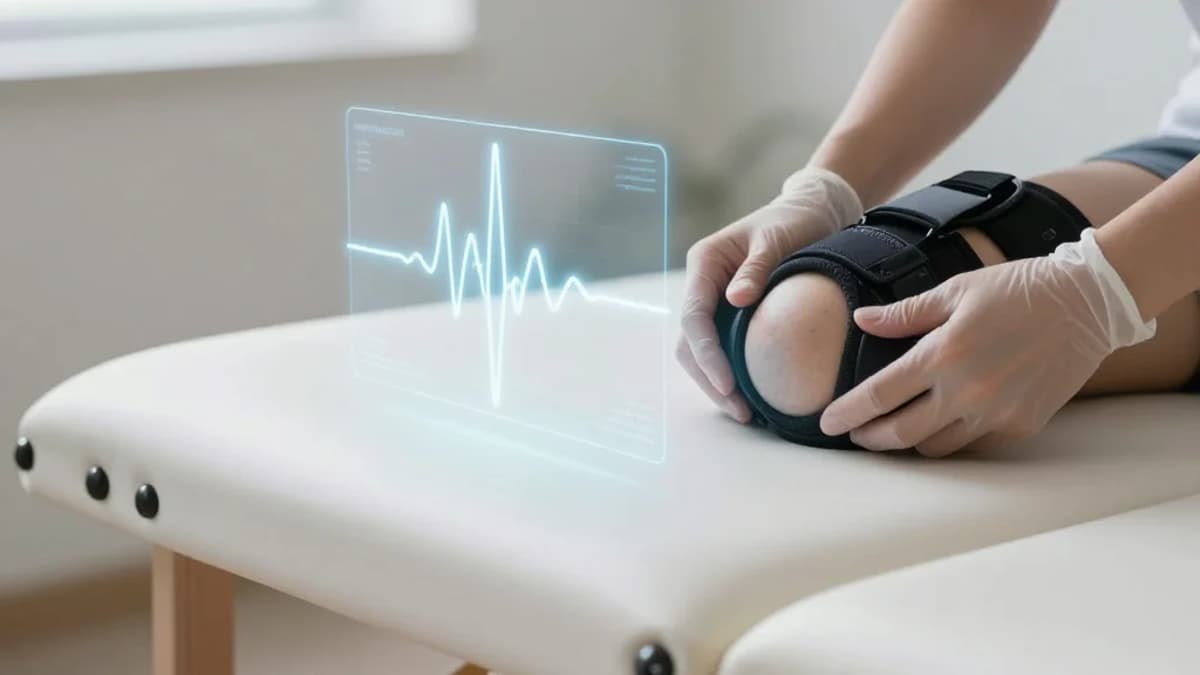
The Fully In-Person Physical Therapy Model Is Starting to Crack
•March 9, 2026
0
Key Takeaways
- •In‑person PT model faces staffing and reimbursement pressures
- •Hybrid care blends virtual check‑ins with essential hands‑on visits
- •Virtual touchpoints improve patient adherence and reduce drop‑offs
- •Properly planned hybrid reduces clinician fatigue and burnout
- •Video‑only telehealth fails without clear outcome focus
Summary
The traditional fully in‑person outpatient physical‑therapy model is under strain from tighter reimbursement, staffing shortages, and patients demanding more flexible scheduling. Clinics are turning to hybrid care, combining essential hands‑on visits with short virtual check‑ins to maintain outcomes while improving efficiency. Hybrid models are not a downgrade; they strategically allocate in‑clinic time and use technology to reinforce care plans. Successful adoption requires clear protocols that define which interactions can be virtual without compromising quality.
Pulse Analysis
The outpatient physical‑therapy landscape is at a crossroads. Clinics built for a pre‑pandemic era relied on steady staffing, predictable payer contracts, and a schedule dominated by face‑to‑face sessions. Today, tighter reimbursement rates, chronic therapist shortages, and patients juggling demanding lives have exposed the fragility of that model. While hands‑on treatment remains the clinical cornerstone, the economics of delivering every visit in person are eroding profit margins and forcing many practices to reconsider how they allocate limited resources.
Hybrid care offers a pragmatic middle ground by reserving in‑clinic time for assessments, manual techniques, and complex interventions, while using brief video or phone check‑ins for education, progress monitoring, and exercise clarification. These virtual touchpoints can shorten the interval between appointments, answer questions before they become barriers, and keep patients engaged throughout the plan of care. Data from early adopters show higher completion rates, fewer missed visits, and a modest uplift in revenue per patient because the schedule fills more efficiently without sacrificing clinical quality.
Successful implementation, however, requires deliberate workflow design rather than a blanket telehealth add‑on. Clinics must map the care pathway, flag visits that truly need physical presence, and train therapists to conduct purposeful, outcome‑focused virtual interactions. When executed correctly, hybrid models alleviate clinician fatigue, improve staff retention, and align reimbursement structures with value‑based care incentives. As the industry embraces this flexibility, the risk of diluting therapeutic standards diminishes, positioning physical‑therapy practices to thrive in a more volatile healthcare environment.
Comments
Want to join the conversation?