Key Takeaways
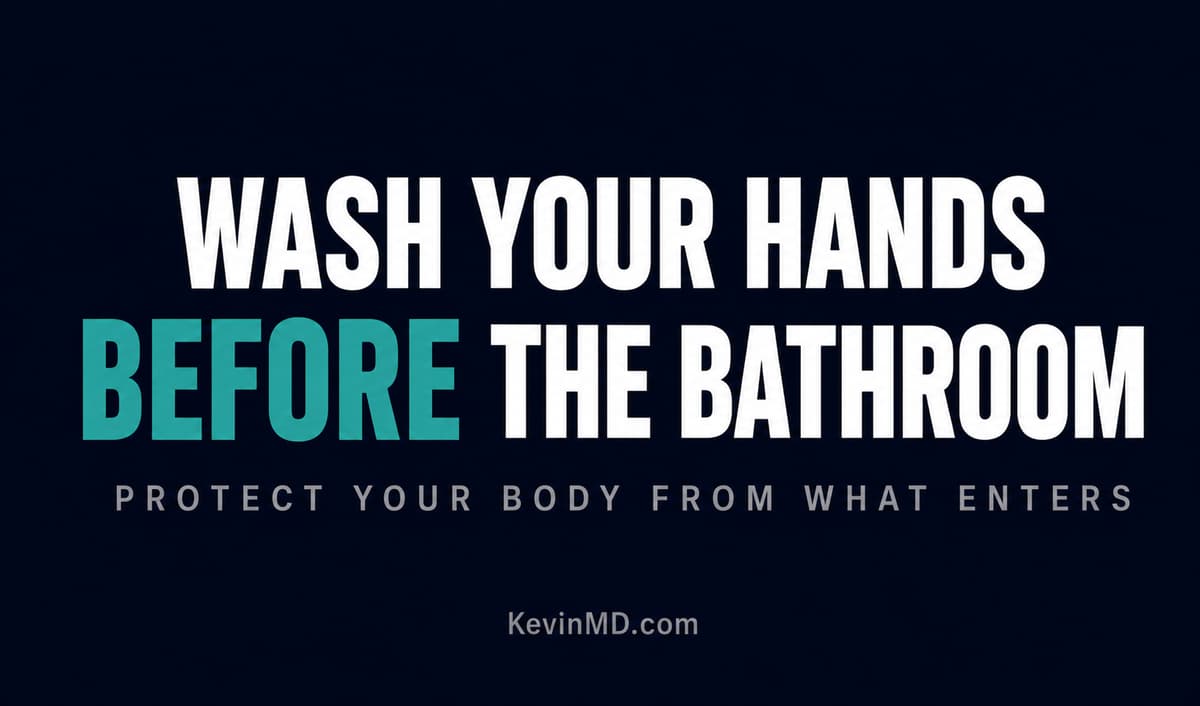
- •Pre‑bathroom hand wash blocks pathogen transfer to intimate areas.
- •Hand sanitizer at transitions cuts infection risk in retail jobs.
- •UTIs cause millions of infections; simple hand hygiene can curb recurrence.
- •Phones and gas‑pump handles are high‑germ surfaces needing regular cleaning.
- •TwoStepHandWash promotes a zero‑cost habit that improves public‑health outcomes.
Pulse Analysis
Traditional public‑health messaging treats hand hygiene as a one‑way street—wash after using the restroom to prevent fecal‑oral transmission. Recent insights, however, highlight the reverse flow: hands arrive at the bathroom already laden with microbes from phones, door handles, and gas‑pump levers. When those contaminated digits touch underwear, toilet paper, or intimate skin, they can seed urinary‑tract infections, a condition that accounts for millions of cases annually worldwide. Recognizing this pre‑exposure vector reframes hand washing as a bidirectional shield, essential for both personal and community health.
For businesses, the implications are tangible. Retail clerks, food‑service staff, and healthcare support workers constantly transition between high‑touch tasks and personal contact. Each unclean hand‑off represents a potential outbreak vector, driving absenteeism and escalating medical expenses. Integrating sanitizer stations at logical transition points—cash registers, break rooms, and vehicle dashboards—creates a low‑cost barrier that curtails pathogen spread without demanding constant washing. Companies that embed these habits see reduced sick‑leave claims and bolster consumer confidence, especially in sectors where hygiene is a competitive differentiator.
The TwoStepHandWash model offers a practical roadmap: sanitize before entering the restroom, after exiting, before meals, and at any shift from a dirty task to personal contact. Coupling this with routine disinfection of personal devices and high‑germ surfaces completes the loop. Habit formation techniques, such as placing sanitizer by the bathroom door or attaching reminders to phones, reinforce the behavior. As organizations adopt this dual‑direction protocol, they contribute to a broader public‑health shift that could lower infection rates, lessen antibiotic reliance, and ultimately improve workplace productivity.
The handwashing standard nobody finished. Until now.
Comments
Want to join the conversation?