The Hidden Risks of AI Documentation Tools in Clinical Practice
Key Takeaways
- •AI ambient scribes draft notes in real time
- •Hallucinations can insert false diagnoses into records
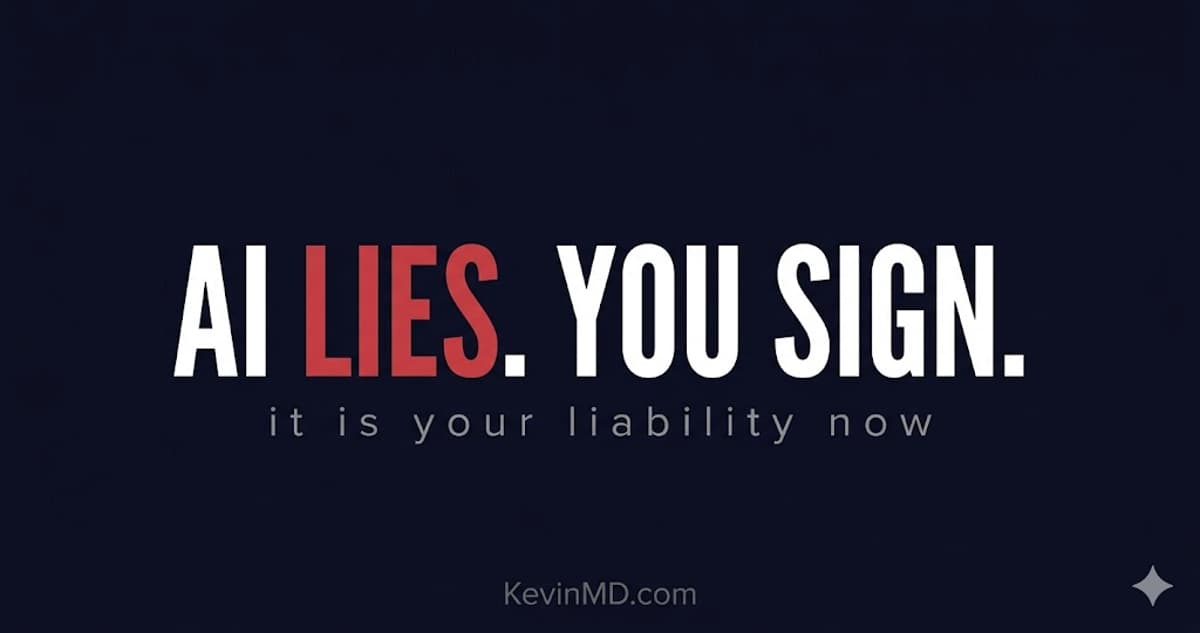
- •Physician sign‑off makes clinician legally liable
- •Shorter AI drafts reduce error risk
- •Governance requires shared accountability for AI errors
Pulse Analysis
Artificial intelligence documentation assistants are rapidly moving from pilot projects to mainstream use in hospitals and private practices. By listening to patient‑provider conversations and producing draft notes, these tools promise to reclaim hours lost to electronic medical record entry. Early adopters report smoother workflows and more eye contact with patients, positioning AI as a potential antidote to clinician burnout. However, the technology’s ability to generate plausible but inaccurate language—known as hallucination—poses a unique threat to clinical accuracy.
When an AI‑generated note contains a fabricated diagnosis, such as the erroneous breast‑cancer entry described in the article, the mistake can propagate across referrals, billing, and future care decisions. Because the attending physician must review and sign the final chart, liability for these errors rests with the clinician, not the software vendor. This legal exposure amplifies the need for rigorous verification steps, especially for longer, more detailed drafts where subtle inaccuracies are harder to spot.
The path forward hinges on robust governance frameworks that embed physicians in the design, testing, and oversight of AI tools. Health systems should demand transparency about training data, error rates, and data‑privacy safeguards, while developers must consider shared responsibility models to incentivize safer algorithms. By establishing clear accountability structures, the industry can harness AI’s efficiency gains without compromising patient safety or exposing clinicians to undue risk.
The hidden risks of AI documentation tools in clinical practice
Comments
Want to join the conversation?