
Key Takeaways
- •Six‑armed robot targets minimally invasive surgeries
- •AI‑driven motion planning boosts procedural accuracy
- •Modular design fits existing OR equipment
- •Early data shows reduced operative times
Summary
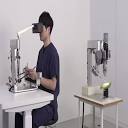
On November 20, 2020, Verb and Johnson & Johnson unveiled OTTAVA, a six‑armed robotic platform designed for minimally invasive procedures. The system combines advanced haptic feedback with AI‑driven motion planning to enhance surgeon precision. Early trials suggest OTTADA can reduce operative time and improve patient outcomes in complex surgeries. The robot’s modular design allows integration with existing operating‑room infrastructure.
Pulse Analysis
The introduction of OTTAVA marks a significant evolution in surgical robotics, moving beyond single‑arm devices to a multi‑arm configuration that mirrors the dexterity of a human surgeon’s hands. By integrating high‑resolution haptic feedback with machine‑learning algorithms, the platform can anticipate tissue resistance and adjust movements in real time, a feature that addresses long‑standing concerns about robotic lag and tactile loss. This synergy of hardware and software not only enhances precision but also expands the range of procedures that can be robotically assisted, from delicate microsurgeries to complex orthopedic interventions.
From a business perspective, OTTAVA’s modular architecture is a strategic advantage. Hospitals can retrofit the system onto current operating‑room setups without extensive renovations, lowering capital expenditures and accelerating ROI. Moreover, the partnership between Verb—a specialist in robotic actuation—and Johnson & Johnson leverages J&J’s extensive distribution network, ensuring rapid market penetration. Analysts anticipate that the robot’s ability to shorten procedure times could translate into higher throughput for surgical centers, directly impacting revenue streams and patient turnover.
Industry observers note that OTTAVA could catalyze a broader shift toward AI‑enhanced medical devices. As regulatory bodies become more comfortable with data‑driven validation, the robot’s learning capabilities may enable continuous performance improvements post‑deployment. This aligns with the growing trend of digital twins and predictive analytics in healthcare, where real‑world data informs device optimization. Consequently, OTTAVA not only represents a technological milestone but also a harbinger of a more integrated, data‑centric future for surgical care.
Comments
Want to join the conversation?