Why Clinical Listening Skills Outpace Artificial Intelligence
Key Takeaways
- •92% of clinicians prioritize listening before any diagnostic test
- •73% cite time pressure as eroding ability to listen
- •Over half report patient volume limits meaningful auscultation
- •Survey reveals gaps in graduates' confidence with auscultation skills
- •Protecting bedside listening time improves trust and diagnostic accuracy
Pulse Analysis
The human ear remains a cornerstone of clinical assessment, even as artificial intelligence reshapes diagnostic workflows. The Littmann Stethoscopes survey underscores that the majority of physicians still rely on auscultation to catch early signs of disease—findings that AI algorithms have yet to replicate. This auditory insight not only guides immediate treatment decisions but also builds the therapeutic rapport essential for patient adherence and satisfaction.
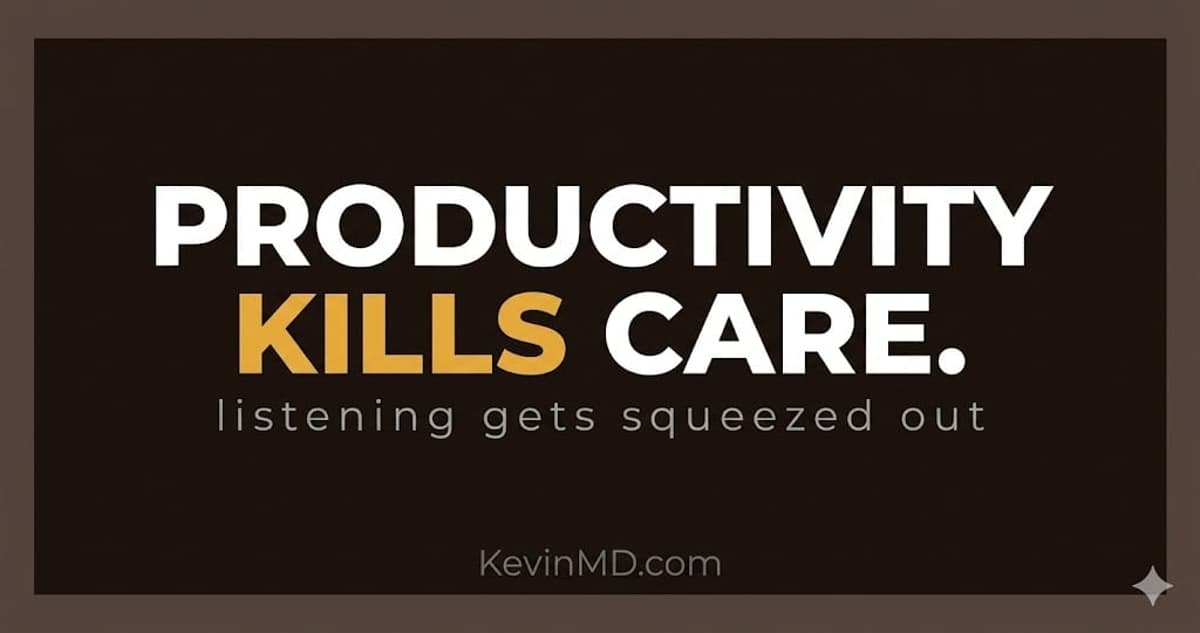
Yet systemic pressures are squeezing out the time needed for careful listening. Clinicians report that productivity mandates, electronic health‑record documentation, and soaring patient volumes leave only minutes for bedside exams. When the clock dominates, subtle heart murmurs or faint wheezes can be missed, and the relational benefits of being heard evaporate. The rise of AI decision‑support tools, while valuable, risks being treated as a shortcut rather than a complement to the clinician’s sensory skills.
The survey’s revelation of a confidence gap among new graduates signals an urgent educational shift. Medical schools must embed protected auscultation practice, assess listening with the same rigor as procedural competence, and teach learners what to hear, not just how to hear. By aligning training with workflow redesign—allocating dedicated listening intervals and integrating AI as an adjunct rather than a replacement—health systems can preserve the diagnostic power and trust that only a human ear can deliver. This balanced approach ensures technology enhances, rather than erodes, the art of medicine.
Why clinical listening skills outpace artificial intelligence
Comments
Want to join the conversation?